Blog

  • Lost Between Pages: Why Books Still Matter More Than Ever in a Noisy World

    Lost Between Pages: Why Books Still Matter More Than Ever in a Noisy World

    There is a quiet, almost rebellious magic in opening a book in a world that never stops scrolling. Before the first sentence even lands, a book asks something radical of us: attention, patience, and presence. Books do not flash, vibrate, or refresh themselves every few seconds; they wait, confident that their power lies not in speed but in depth. In an era dominated by short-form content and instant opinions, the enduring appeal of books feels almost countercultural. Yet, paradoxically, books are everywhere—on bestseller lists, social media feeds, film adaptations, and personal nightstands—proving that the desire for long-form storytelling and sustained thought has not disappeared. Books continue to shape how we understand ourselves and the world, offering refuge, challenge, and transformation in equal measure. Whether fiction or nonfiction, novels or memoirs, essays or poetry, books create a private space where readers can slow down and engage deeply with ideas, emotions, and experiences that extend beyond their own lives. The resurgence of independent bookstores, the popularity of reading challenges, and the vibrant online communities dedicated to discussing books all point to a renewed hunger for meaning that cannot be condensed into a headline. Books allow readers to inhabit other perspectives fully, not just observe them from a distance, fostering empathy in a way few other mediums can replicate. They offer complexity where the world often demands simplicity, reminding us that most truths are layered, contradictory, and unfinished. In this sense, books are not relics of a slower past but essential tools for navigating a complicated present, inviting readers to think critically, feel deeply, and imagine alternatives to the realities they know.

    The power of books lies not only in their content but in the act of reading itself, which shapes the mind in subtle yet profound ways. When we read, we engage in a form of active collaboration with the author, constructing worlds, voices, and meanings within our own imagination. Unlike visual media, which presents images fully formed, books require readers to participate, filling in gaps and interpreting nuance. This cognitive engagement strengthens concentration, empathy, and analytical thinking, skills that are increasingly rare in an age of constant distraction. Fiction, in particular, offers a unique laboratory for exploring human behavior, allowing readers to experience moral dilemmas, emotional conflicts, and cultural differences safely yet vividly. Through characters and narratives, books make abstract ideas personal and relatable, transforming statistics into stories and distant events into lived experiences. Nonfiction, on the other hand, provides frameworks for understanding reality, from history and science to philosophy and personal growth. The best nonfiction books do more than inform; they challenge assumptions, provoke questions, and inspire action. Across genres, books preserve knowledge and memory, acting as cultural time capsules that carry voices across generations. They document struggles, triumphs, and everyday moments that might otherwise be forgotten, ensuring that stories outlive the circumstances that produced them. In times of crisis, books often gain renewed significance, offering comfort, guidance, or resistance. People turn to literature during periods of uncertainty not because it provides easy answers, but because it offers perspective and continuity. Reading reminds us that others have faced fear, loss, and change before, and that meaning can be found even in instability. In this way, books function both as mirrors, reflecting our inner lives, and as windows, opening onto worlds we might never otherwise encounter.

    Despite frequent predictions of their decline, books have proven remarkably adaptable, evolving alongside technological change rather than being erased by it. E-books, audiobooks, and digital libraries have expanded access to literature, allowing readers to carry entire collections in their pockets and listen to stories while commuting or multitasking. Rather than replacing physical books, these formats have diversified how people engage with reading, accommodating different lifestyles, abilities, and preferences. At the same time, the tactile pleasure of a printed book—the weight in the hand, the texture of the paper, the quiet ritual of turning pages—continues to hold deep emotional appeal. Books are objects as well as ideas, often infused with personal meaning through notes in the margins, dog-eared pages, or inscriptions from loved ones. They mark phases of life, capturing who we were when we first read them and how we have changed since. The publishing world itself reflects this tension between tradition and innovation, balancing commercial pressures with the responsibility to amplify diverse voices and stories. Readers today are increasingly aware of whose stories are being told and whose are missing, driving demand for books that reflect a wider range of experiences and perspectives. This shift has enriched literary culture, expanding the canon and challenging narrow definitions of what counts as “important” literature. Ultimately, books endure because they meet a fundamental human need: the need to make sense of existence through story. They offer not escape from reality, but engagement with it on a deeper level, helping readers articulate emotions they struggle to name and questions they are afraid to ask. In a world overflowing with information, books provide something rarer and more valuable: understanding. They teach us how to listen, how to imagine, and how to sit with complexity without rushing to resolution. As long as people seek meaning, connection, and insight, books will remain not only relevant but essential, quietly shaping minds and lives one page at a time.

  • How Creativity Continues to Shape Culture and Consciousness

    How Creativity Continues to Shape Culture and Consciousness

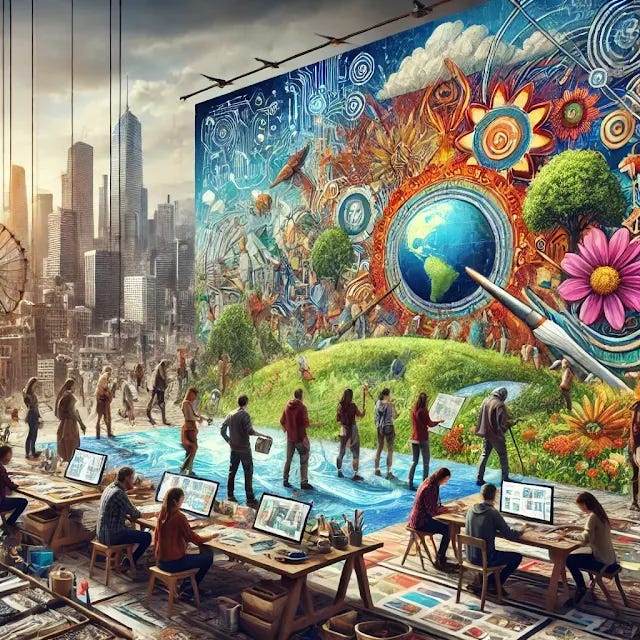
    Art news today reflects a world in constant negotiation with itself, where creativity responds not only to aesthetic concerns but also to social change, political tension, and evolving human values. Across continents, museums and cultural institutions are redefining their roles, moving away from the idea of neutral guardians of beauty toward more active participants in cultural discourse. Recent art news has focused heavily on institutional accountability, from debates around funding sources and ethical sponsorship to leadership changes that signal deeper shifts in priorities. Many museums are revisiting their collections, questioning long-standing narratives shaped by colonial histories, exclusionary practices, and market-driven hierarchies. This reassessment has resulted in exhibitions that foreground voices once pushed to the margins, including Indigenous artists, artists of color, women artists, and those working outside dominant Western frameworks. Rather than presenting art as isolated masterpieces, curators are increasingly emphasizing context, process, and lived experience, allowing audiences to see how artworks emerge from specific social and historical conditions. Art news also highlights a growing interest in interdisciplinary practices, where visual art intersects with sound, performance, science, and community engagement. These hybrid approaches reflect a desire to break down rigid boundaries and speak more directly to contemporary life. In parallel, there is renewed attention to archives, memory, and preservation, as artists and institutions alike grapple with questions of what deserves to be remembered and who gets to decide. This tension between innovation and reflection defines much of today’s art news, presenting an art world that is neither static nor purely forward-looking, but deeply engaged in reexamining its foundations while imagining new possibilities.

    At the same time, the art market remains a central topic in art news, often serving as a barometer for broader economic and cultural trends. Recent reporting suggests a market in transition rather than decline, marked by caution, selectivity, and shifting collector behavior. While headline-grabbing auction results continue to attract attention, there is growing awareness that such spectacles represent only a fraction of the global art economy. Galleries are reassessing growth models that once prioritized constant expansion, instead focusing on sustainability, long-term relationships with artists, and more thoughtful engagement with collectors. This shift has opened space for mid-career artists and historically overlooked figures to gain renewed recognition, challenging the dominance of a narrow group of blue-chip names. Art news frequently addresses the impact of digital platforms on buying and selling, noting how online viewing rooms, private digital sales, and social media visibility have become permanent features of the market. These tools have expanded access and global reach, but they have also intensified concerns around transparency, speculation, and the pressure to maintain constant visibility. Debates surrounding artificial intelligence, generative imagery, and digital authorship continue to occupy headlines, raising complex questions about originality, labor, and ownership. Some artists embrace these technologies as creative collaborators, while others resist them as mechanisms that threaten the integrity of human expression. Collectors and institutions are similarly divided, unsure how to value, collect, or preserve works that exist partly or entirely in digital form. Art news captures these uncertainties, revealing a market that is not merely transactional but deeply entangled with cultural values, technological change, and ethical considerations.

    Beyond institutions and markets, art news increasingly centers on the everyday presence of art in public life, emphasizing its role as a tool for connection, reflection, and collective meaning. Public art projects, community-driven initiatives, and socially engaged practices have gained sustained attention for their ability to reach audiences outside traditional cultural spaces. Murals, installations, and performances situated in streets, parks, and civic buildings often respond directly to local histories and current events, transforming shared environments into spaces of dialogue. Art news has documented how artists respond to climate change, migration, public health crises, and political unrest, not by offering simple solutions but by creating spaces for collective processing and imagination. Education and access remain key themes, with artists and organizations experimenting with alternative models that prioritize inclusivity, care, and long-term engagement over prestige or spectacle. Workshops, residencies, and artist-run spaces are increasingly recognized for their role in nurturing creative ecosystems that operate beyond the spotlight of major institutions. Art journalism itself is evolving within this context, as writers navigate the challenges of a fast-paced digital landscape while striving for depth, nuance, and accountability. Independent platforms, newsletters, podcasts, and community-based publications are expanding the scope of art news, amplifying diverse perspectives and challenging established narratives. Together, these developments suggest an art world that is fragmented yet interconnected, marked by tension but also by resilience. Art news today does not present a single, unified story; instead, it documents an ongoing conversation about creativity, power, and responsibility. In following these stories, readers encounter art not as a distant luxury, but as a living practice that continues to shape how societies understand themselves and imagine their futures.

  • How the COVID-19 Medical Breakthroughs Changed the Course of a Pandemic and Transformed Medicine Forever

    How the COVID-19 Medical Breakthroughs Changed the Course of a Pandemic and Transformed Medicine Forever

    When the novel coronavirus SARS-CoV-2 first emerged in late 2019, few could have predicted the profound impact it would have on the world. What began as a cluster of pneumonia cases in Wuhan, China, rapidly escalated into a global health crisis that upended daily life, overwhelmed healthcare systems, and reshaped economies. Yet, amid the chaos and loss, the COVID-19 pandemic also ignited an unprecedented wave of scientific innovation and medical breakthroughs. In a matter of months, researchers, healthcare professionals, pharmaceutical companies, and governments mobilized with extraordinary speed and collaboration, developing diagnostics, treatments, and vaccines that would change the course of the pandemic and set new standards for medical science. This blog explores in depth the remarkable medical breakthroughs born out of the COVID-19 crisis—how they emerged, the science behind them, their global impact, and the lasting legacy they leave on medicine and public health.

    The first critical breakthrough was the rapid identification and sequencing of the virus itself. Within weeks of the initial outbreak, Chinese scientists isolated SARS-CoV-2 and published its full genetic sequence in January 2020, providing the world with the blueprint needed to develop diagnostic tests, vaccines, and therapeutics. This feat was possible thanks to advances in genomic technologies and international cooperation, allowing researchers globally to begin work almost immediately. The availability of the viral genome empowered laboratories to create precise PCR-based diagnostic tests to detect the virus in patients, which became the cornerstone of pandemic control efforts. Early detection and widespread testing were crucial in tracking transmission, implementing quarantines, and informing public health strategies.

    Simultaneously, clinicians began sharing critical insights about the clinical features and progression of COVID-19. Initial confusion over symptoms, disease severity, and transmission dynamics gradually gave way to clearer understanding. It became evident that COVID-19 was not only a respiratory illness but also capable of causing systemic complications including blood clotting, neurological effects, and multi-organ damage. This evolving clinical picture informed treatment protocols and highlighted the need for diverse therapeutic approaches. Supportive care in hospitals, including oxygen therapy and ventilator support, saved countless lives while targeted treatments were explored.

    One of the earliest medical breakthroughs in treating COVID-19 involved repurposing existing drugs. Because developing new drugs from scratch takes years, scientists tested a range of antiviral and anti-inflammatory medications already approved for other diseases. Remdesivir, initially developed for Ebola, showed some promise in reducing hospital stays, earning emergency use authorization. Corticosteroids like dexamethasone emerged as a simple yet highly effective treatment for severe cases by dampening the harmful immune response known as cytokine storm, reducing mortality significantly. These findings were swiftly validated through large-scale clinical trials such as the UK’s RECOVERY trial, showcasing the power of coordinated research in a crisis. Other drugs, including monoclonal antibodies that specifically target the virus, were developed and authorized for use, adding critical tools to the therapeutic arsenal.

    Perhaps the most extraordinary medical breakthrough of the COVID-19 era was the development of vaccines in record time. Historically, vaccine development has taken a decade or more, but within less than a year, multiple vaccines were authorized for emergency use and deployed globally. The key to this speed was innovative vaccine platforms, particularly messenger RNA (mRNA) technology, which had been studied for years but never before approved for widespread human use. Pfizer-BioNTech and Moderna led the way with mRNA vaccines that instructed cells to produce the spike protein of SARS-CoV-2, triggering a robust immune response without exposure to live virus. This approach allowed rapid design, production, and testing. Clinical trials demonstrated remarkable efficacy, with over 90% protection against symptomatic COVID-19, and the vaccines played a pivotal role in reducing severe disease, hospitalizations, and deaths worldwide.

    The breakthrough of mRNA vaccines extends beyond COVID-19. Their success has opened the door for vaccines targeting other infectious diseases and even cancer, heralding a new era in vaccinology. In parallel, viral vector vaccines such as AstraZeneca-Oxford and Johnson & Johnson employed harmless adenoviruses to deliver genetic instructions, offering alternatives with easier storage requirements. Protein subunit vaccines and inactivated virus vaccines also expanded the vaccine landscape, providing options suited to diverse populations and regions. This unprecedented global vaccine development and rollout was bolstered by international collaborations, funding initiatives like COVAX, and accelerated regulatory processes that maintained rigorous safety standards despite the speed.

    Another critical breakthrough came in diagnostic technologies beyond PCR tests. Rapid antigen tests and antibody tests were developed, offering quicker, more accessible options for detecting active infection or past exposure. These tools became essential for mass screening, reopening economies, and monitoring vaccine effectiveness. Innovations in point-of-care testing, home testing kits, and digital tracking systems enhanced public health responses and empowered individuals to make informed decisions about isolation and seeking care.

    The pandemic also accelerated advances in healthcare delivery models. Telemedicine, once a niche service, became mainstream as lockdowns and social distancing limited in-person visits. Virtual consultations, remote monitoring, and digital health platforms allowed continuity of care while reducing exposure risks. These breakthroughs in healthcare accessibility and convenience are poised to endure beyond the pandemic, reshaping how medicine is practiced and experienced globally.

    Beyond direct medical interventions, the COVID-19 pandemic spurred breakthroughs in understanding viral evolution and epidemiology. The emergence of variants such as Alpha, Beta, Delta, and Omicron demonstrated the virus’s capacity to mutate, sometimes increasing transmissibility or evading immunity. Genomic surveillance systems were rapidly established worldwide to track these variants, guiding public health decisions and vaccine updates. This real-time monitoring represents a leap forward in pathogen tracking, applicable to future infectious disease threats.

    The massive data generated by the pandemic has also fueled breakthroughs in artificial intelligence and machine learning applications in medicine. AI-powered tools analyzed vast datasets from electronic health records, imaging studies, and epidemiological data to predict disease severity, optimize resource allocation, and accelerate drug discovery. These technological advances promise to enhance precision medicine and public health preparedness long after COVID-19 is contained.

    While the achievements have been extraordinary, the pandemic’s medical breakthroughs have also highlighted persistent challenges and inequities. Vaccine distribution disparities left many low- and middle-income countries vulnerable for prolonged periods, underscoring the need for improved global health infrastructure and solidarity. Issues of vaccine hesitancy and misinformation complicated public health efforts, revealing the critical role of effective science communication. Furthermore, long COVID—a constellation of lingering symptoms affecting millions—remains a medical puzzle requiring ongoing research and innovative care approaches.

    Looking forward, the lessons and innovations from the COVID-19 pandemic will shape future medical research and healthcare systems. Investments in pandemic preparedness, rapid vaccine platforms, global data sharing, and collaborative networks have been galvanized. The pandemic has demonstrated the power of science when mobilized with urgency, transparency, and cooperation. It also exposed vulnerabilities, prompting reforms aimed at health equity, resilience, and sustainability.

    In conclusion, the medical breakthroughs catalyzed by the COVID-19 pandemic represent a watershed moment in the history of medicine. From sequencing the virus to deploying novel vaccines, repurposing treatments, enhancing diagnostics, and transforming healthcare delivery, these advances saved millions of lives and altered the trajectory of a global crisis. They epitomize human resilience and ingenuity in the face of unprecedented adversity. The rapid pace and scale of these breakthroughs have set new standards and possibilities for medical science, offering hope not only for overcoming COVID-19 but for tackling future health challenges with greater speed and efficacy. As the world continues to adapt and recover, the legacy of these breakthroughs will endure, reminding us that through science, collaboration, and determination, even the most daunting health threats can be met—and overcome.

  • Unlocking the Unknown: How Research Studies Drive Progress and Shape Our World

    Unlocking the Unknown: How Research Studies Drive Progress and Shape Our World

    In the fast-paced, ever-changing landscape of human knowledge, research studies stand as the unsung heroes quietly pushing the boundaries of what we understand about ourselves, our environment, and the universe. Behind nearly every technological breakthrough, medical advance, social policy, or cultural shift lies rigorous inquiry—carefully designed, executed, and analyzed studies that peel back layers of mystery and illuminate new possibilities. Though often overlooked outside academic and professional circles, research studies fuel innovation, challenge assumptions, and provide the foundation upon which progress is built. They are the engines driving discovery in science, medicine, psychology, economics, and countless other fields. Far from dry or purely theoretical, research is dynamic, evolving, and intimately connected to real-world challenges. It transforms curiosity into evidence, questions into solutions, and ideas into tangible change. This long-form exploration dives deep into the vital role research studies play in shaping society, highlighting their power, complexity, and impact on nearly every aspect of modern life.

    At its essence, a research study is a structured attempt to investigate a specific question or problem, following systematic methods to collect and analyze data. The goal is to generate reliable, objective evidence that can confirm, refine, or refute hypotheses and theories. While the details of methodology vary widely—from randomized controlled trials in medicine to ethnographic fieldwork in anthropology or big data analysis in computer science—the core principles remain consistent: transparency, rigor, reproducibility, and ethical integrity. Good research is never haphazard; it demands careful planning, from defining precise questions and selecting appropriate samples to choosing suitable instruments and statistical techniques. This meticulousness is what distinguishes scientific knowledge from opinion or anecdote. A well-conducted study provides a trustworthy window into reality, one that can be scrutinized, tested, and built upon by others.

    The diversity of research studies reflects the complexity of the world they seek to understand. Experimental research aims to identify causal relationships by manipulating variables under controlled conditions, enabling scientists to draw conclusions about cause and effect. Observational studies, meanwhile, track phenomena in natural settings without interference, valuable for understanding patterns and correlations where experiments are impractical or unethical. Qualitative research offers rich, detailed insights into human experience, exploring meanings, motivations, and cultural contexts through interviews, focus groups, and textual analysis. Quantitative research uses numerical data to uncover trends and make generalizable claims about populations. Mixed-methods research blends these approaches to harness the strengths of each. Together, these methodologies provide a comprehensive toolkit for tackling questions across disciplines. Whether studying the efficacy of a new drug, the impact of social policies, the intricacies of climate change, or the dynamics of human behavior, research studies tailor their designs to suit the inquiry, balancing control with ecological validity.

    Ethical considerations are paramount in research, especially when studies involve human or animal subjects. Institutional review boards (IRBs) and ethics committees oversee protocols to ensure participant safety, informed consent, confidentiality, and fairness. Transparency about funding sources and potential conflicts of interest also safeguards credibility. In recent decades, public scrutiny and regulatory frameworks have tightened to address past abuses and reinforce trust in research findings. Responsible research respects the dignity and rights of participants while advancing knowledge for the common good. This ethical foundation is critical because the implications of research extend far beyond laboratories or academic journals. Findings influence medical treatments, public health guidelines, education systems, environmental policies, and social justice initiatives. When research is flawed or biased, the consequences can be profound, leading to misinformation, harm, or wasted resources. Conversely, rigorous research can improve lives, inform wise decisions, and inspire innovation.

    The impact of research studies on medicine and health alone is staggering. Clinical trials, a cornerstone of medical research, have transformed once-fatal diseases into manageable conditions and accelerated the development of vaccines, therapies, and diagnostic tools. Studies investigating lifestyle factors, genetics, and social determinants of health have deepened our understanding of prevention and holistic care. Research in psychology and neuroscience unravels the complexities of the human mind, informing treatments for mental illness, addiction, and cognitive decline. Public health research identifies risks, evaluates interventions, and shapes policies that save millions of lives worldwide. Each study adds a piece to a vast puzzle, gradually enhancing the quality and longevity of life. Beyond health, research underpins technological innovation—advancing artificial intelligence, renewable energy, materials science, and space exploration. Without rigorous study, the devices, systems, and solutions that power modern life would remain impossible dreams.

    Social science research is equally transformative, shedding light on human behavior, institutions, and societies. Studies explore everything from economic decision-making and education outcomes to migration patterns and cultural change. They help policymakers craft evidence-based laws and programs that address inequality, crime, education gaps, and community development. In an era marked by misinformation and polarized opinions, research provides a crucial anchor of facts and analysis that can bridge divides and promote dialogue. The replication crisis—a challenge where some research findings fail to be reproduced—has sparked reflection and reforms aimed at improving reliability and openness. This ongoing self-correction underscores research’s dynamic nature and commitment to truth-seeking.

    The sheer volume of research published annually—millions of articles, reports, and datasets—can be overwhelming, raising challenges in synthesizing knowledge and separating signal from noise. Meta-analyses, systematic reviews, and evidence-based guidelines serve to distill and interpret findings across studies, supporting practitioners and decision-makers. Open access movements and digital repositories democratize knowledge, allowing broader audiences to engage with research. Citizen science initiatives also invite public participation, democratizing inquiry and expanding data collection in fields like ecology, astronomy, and health monitoring.

    Looking ahead, research studies are poised to become even more integral to addressing global challenges such as climate change, pandemics, social justice, and technological disruption. Interdisciplinary approaches, combining insights from multiple fields, are increasingly vital to tackle complex, interconnected problems. Advances in data science and computational power open new frontiers for modeling, simulation, and real-time analysis. Meanwhile, ethical and social implications of emerging technologies like gene editing and AI demand thoughtful, inclusive research to guide their development responsibly.

    In sum, research studies are the engines of human progress—methodical, relentless, and essential. They turn curiosity into knowledge, ideas into impact, and questions into solutions. Behind every innovation, every policy shift, and every medical breakthrough lies the hard work of countless researchers dedicated to uncovering truths that improve our world. Recognizing the central role of research inspires greater support for scientific inquiry, critical engagement with findings, and trust in evidence-based decision-making. As we face unprecedented challenges and opportunities, investing in robust, ethical research remains our best hope for navigating an uncertain future with wisdom and resilience. The journey of discovery continues—one carefully conducted study at a time.

  • How Contemporary Art Reflects Change, Power, and Possibility

    How Contemporary Art Reflects Change, Power, and Possibility

    Art news in the current moment reads like a mirror held up to a rapidly transforming world, capturing shifts in culture, politics, and technology through creative expression. Museums and cultural institutions are at the center of this conversation, frequently appearing in headlines not only for major exhibitions but also for structural changes that signal deeper transformation. Around the globe, institutions are reassessing their roles as neutral custodians of culture, acknowledging instead their historical entanglements with colonialism, wealth inequality, and exclusion. This has led to increased efforts toward restitution, with long-disputed artifacts returning to their countries of origin and collections being recontextualized rather than quietly stored away. Exhibitions increasingly foreground overlooked narratives, highlighting artists whose work speaks to migration, race, gender, and memory, while challenging traditional hierarchies of artistic value. Art news also reflects a growing emphasis on process rather than product, with curators and critics paying closer attention to how art is made, who is involved, and what communities are impacted. Large-scale biennials and triennials now function less as showcases of global taste and more as platforms for dialogue, often rooted in local histories and social realities. At the same time, smaller artist-run spaces and alternative venues are gaining recognition for their agility and willingness to experiment, offering a counterbalance to institutional frameworks. This broader visibility underscores a key theme in contemporary art news: the decentralization of authority, where meaning is no longer dictated solely by major museums or critics but emerges from a complex network of artists, audiences, and cultural workers.

    While cultural discourse continues to expand, the art market remains a dominant force in shaping headlines, often revealing the contradictions at the heart of the art world. Sales figures, auction records, and collector behavior are closely scrutinized, especially during periods of economic uncertainty, when art is alternately framed as a luxury, an investment, or a safe haven. Recent art news suggests a recalibration rather than a collapse, with collectors becoming more selective and galleries focusing on sustainability over rapid expansion. The dominance of a small group of ultra-established artists persists, yet there is growing interest in mid-career and historically undervalued figures, particularly women artists and artists of color whose markets were long suppressed. Digital transformation continues to redefine how art circulates, with online platforms playing a central role in discovery and sales. What began as a necessity during global lockdowns has evolved into a permanent feature of the art economy, allowing galleries to reach international audiences without geographic constraints. At the same time, ongoing debates around artificial intelligence and generative tools have added new layers to market discussions, raising questions about authorship, originality, and intellectual property. Some artists have embraced these technologies as collaborators or critical subjects, while others express concern about exploitation and loss of creative control. Art news covering these developments often highlights the tension between innovation and ethics, reflecting a market that is eager to evolve but still struggling to define its boundaries. These conversations reveal that the market is not a separate entity from culture but deeply intertwined with the values, fears, and aspirations of the society that sustains it.

    Beyond institutions and commerce, art news increasingly focuses on the ways art operates in public and everyday life, reinforcing its relevance beyond elite spaces. Public art initiatives, community murals, performance projects, and socially engaged practices have become prominent features of cultural reporting, especially as cities turn to art as a tool for revitalization and dialogue. These projects often address urgent issues such as climate change, social justice, and collective memory, inviting audiences to engage not as passive viewers but as participants. Education and access are also recurring themes, with artists and organizations experimenting with new models that prioritize inclusivity, care, and long-term impact over spectacle. Art journalism itself is evolving alongside these changes, as writers navigate the pressures of a fast-paced digital environment while striving for depth, accountability, and diverse representation. Independent publications and critics are challenging traditional narratives, broadening the scope of what qualifies as art news and whose voices are heard. This expanded field reflects an understanding that art does not exist in isolation but is woven into the fabric of daily life, influencing how people see themselves and the world around them. Rather than offering definitive answers, contemporary art news documents an ongoing negotiation about meaning, value, and responsibility. In following these stories, readers are invited to consider art not merely as an object of beauty or status, but as a living practice that responds to uncertainty with imagination and to complexity with creativity.

  • The Invisible Engine of Progress: How Research Studies Drive Discovery, Innovation, and Change

    The Invisible Engine of Progress: How Research Studies Drive Discovery, Innovation, and Change

    Every major advancement in human history—whether it’s a life-saving medical treatment, a revolutionary technology, or a transformative social policy—traces its roots back to a foundation of research studies. These carefully designed investigations, often overlooked in the headlines and everyday conversation, quietly power the engine of progress. They are the rigorous quests for truth that sift through uncertainty, challenge assumptions, and build the bedrock of knowledge on which societies thrive. While research studies may sometimes seem remote or technical, their impact touches every corner of modern life, influencing how we understand health, technology, behavior, environment, and much more. The story of research is the story of human curiosity harnessed with discipline and ethics to illuminate the unknown, and it continues to evolve as new questions emerge and the world grows more complex. To truly appreciate the transformative power of research studies, we must look beneath the surface, exploring their methods, significance, challenges, and the profound ways they shape our lives.

    Research studies are the scientific compass guiding us through the vast landscape of uncertainty. Unlike mere guesses or anecdotal observations, they follow systematic methods designed to minimize bias and error, producing evidence that can be scrutinized, tested, and repeated. This process begins with a question—a hypothesis that arises from curiosity, observation, or a pressing need. From there, researchers meticulously design studies to isolate variables, collect data, and analyze results with statistical rigor. These studies take many forms: controlled laboratory experiments that manipulate conditions to test cause and effect, observational studies that reveal patterns in natural environments, longitudinal research that tracks changes over time, and qualitative inquiries that dive deep into personal experiences and social contexts. The variety of approaches allows research to address the rich complexity of real-world problems, from the molecular workings of cells to the societal impact of policies.

    One of the defining strengths of research studies is their commitment to reproducibility and transparency. Scientific knowledge advances not through isolated findings but through a cumulative process of verification and refinement. That is why peer review, data sharing, and replication efforts are central pillars of research culture. When other scientists replicate a study and confirm its results, confidence in the findings grows; when they fail, it sparks reevaluation and new inquiry. This self-correcting nature is crucial for building robust knowledge and guarding against misinformation, biases, or errors. However, achieving reproducibility is not always straightforward. Complex methodologies, variability in data collection, and even pressures to publish novel results can complicate this ideal. The scientific community actively addresses these challenges through initiatives promoting open science, preregistration of study protocols, and improved statistical practices.

    Ethical rigor is another cornerstone of credible research. Throughout history, numerous instances of unethical experimentation—ranging from non-consensual testing to exploitation of vulnerable groups—have underscored the need for strict ethical oversight. Today, institutional review boards (IRBs) and ethics committees review research proposals to ensure participant rights, safety, and dignity are protected. This includes obtaining informed consent, ensuring confidentiality, minimizing harm, and maintaining transparency about the research purpose and potential risks. Ethical research also demands honesty in reporting results, avoiding fabrication, falsification, or selective publication. Upholding these principles fosters public trust and ensures that the pursuit of knowledge does not come at the expense of human or animal welfare.

    The impact of research studies is perhaps most visible—and life-changing—in the field of medicine and public health. Clinical trials systematically test new drugs, vaccines, and therapies, transforming diseases that were once death sentences into manageable conditions or even eradicated threats. For example, the development of antibiotics, the polio vaccine, and modern cancer treatments all emerged from decades of rigorous clinical research. Epidemiological studies map the spread of diseases and identify risk factors, enabling targeted interventions that save millions of lives annually. Behavioral and psychological research informs treatments for mental health conditions, addiction, and developmental disorders, helping to improve quality of life worldwide. Moreover, health research continues to evolve, embracing personalized medicine approaches that tailor treatments to genetic and environmental factors unique to each individual. Without these sustained research efforts, the healthcare advances we now take for granted would be impossible.

    Research studies also play a pivotal role in addressing global challenges beyond health. Environmental research monitors climate change, biodiversity loss, pollution, and natural resource management, providing the data that underpin international agreements and conservation strategies. Studies in economics and social sciences reveal the root causes of poverty, inequality, and conflict, informing policies aimed at fostering stability, growth, and justice. Technological innovation—from renewable energy solutions to artificial intelligence—relies heavily on research to test feasibility, optimize designs, and evaluate societal implications. In this sense, research is both a mirror reflecting current realities and a beacon guiding future possibilities. It equips societies with evidence-based tools to navigate complexity, anticipate risks, and seize opportunities.

    Despite the undeniable importance of research studies, the process is not without its challenges and controversies. The pressure to publish can sometimes incentivize sensational or incomplete findings, contributing to what is known as “publish or perish” culture. The replication crisis in psychology and other fields has exposed weaknesses in research design and transparency, leading to a reassessment of standards and practices. Funding disparities often mean that certain areas—especially those affecting marginalized communities or long-term issues—receive less attention. Ethical dilemmas continue to arise around emerging technologies such as gene editing, data privacy, and artificial intelligence, requiring ongoing dialogue and regulation. Additionally, communicating complex research findings to the public in a clear and trustworthy way remains a persistent hurdle, especially in an era of misinformation and skepticism.

    To meet these challenges, the research community is increasingly embracing innovation not only in methods and technologies but also in culture and collaboration. Open science initiatives promote accessibility and accountability, inviting broader participation in research processes and data sharing. Interdisciplinary research breaks down silos, integrating perspectives from multiple fields to tackle multifaceted problems holistically. Citizen science projects engage the public directly, democratizing data collection and enhancing scientific literacy. Advances in computational power and big data analytics enable researchers to handle massive datasets, uncover subtle patterns, and simulate complex systems previously beyond reach. These developments promise to accelerate discovery while reinforcing the foundations of reliability and ethics.

    The future of research studies is both exciting and vital as humanity confronts unprecedented challenges and opportunities. Climate change demands urgent, evidence-based strategies to mitigate impacts and adapt sustainably. The ongoing COVID-19 pandemic has highlighted the critical need for rapid yet rigorous research to develop treatments, vaccines, and public health responses. Social justice movements call for research that centers equity and amplifies diverse voices and experiences. Emerging technologies like artificial intelligence, synthetic biology, and space exploration pose profound questions that research must address thoughtfully. In this context, investing in robust, transparent, and inclusive research infrastructures is paramount. Supporting education and training for the next generation of researchers ensures a continual flow of fresh perspectives and expertise. Strengthening public engagement builds trust and fosters an informed society capable of making wise decisions.

    In conclusion, research studies are the invisible engine powering the remarkable progress of human civilization. They transform curiosity into knowledge, data into wisdom, and ideas into innovations that shape our health, environment, technology, and society. The rigorous, ethical, and transparent pursuit of knowledge through research remains our most reliable path toward understanding a complex and ever-changing world. By recognizing the indispensable role research plays—and by supporting it wholeheartedly—we invest in a future where discovery and truth guide our collective journey. The quest for knowledge is endless, and with every study completed, we take one more confident step toward unlocking the mysteries of the universe and improving life for all.

  • Revolutionizing Health: The Unstoppable Surge of Medical Breakthroughs Transforming Our Lives

    Revolutionizing Health: The Unstoppable Surge of Medical Breakthroughs Transforming Our Lives

    Every once in a while, humanity witnesses a leap so profound that it reshapes the very foundation of how we understand, treat, and prevent disease. These moments—medical breakthroughs—are not mere milestones; they are revolutions in the art and science of healing that ripple through generations. From the advent of vaccines that have nearly eradicated once-dreaded diseases, to cutting-edge gene editing techniques promising cures to previously untreatable conditions, medical breakthroughs inspire hope and redefine possibility. They mark the culmination of tireless research, innovation, and the relentless human spirit. These breakthroughs have reshaped societies, extended lifespans, and improved quality of life in ways once thought unimaginable. This blog embarks on an extensive journey through the landscape of medical breakthroughs, exploring their origins, profound impacts, the science behind them, and the exciting frontiers that lie ahead.

    Medical breakthroughs rarely happen overnight. Behind every headline-grabbing discovery lies years—often decades—of rigorous research, trial, and error. Scientific progress builds incrementally, with countless experiments, clinical trials, and technological advancements gradually paving the way. The journey begins with curiosity and observation, when scientists detect anomalies or patterns that hint at new understandings of health and disease. These observations lead to hypotheses, which are then tested through meticulous laboratory research and, crucially, through carefully designed clinical trials involving human participants. Such trials progress through phases, ensuring safety, efficacy, and reproducibility before any new treatment reaches the public. This painstaking process exemplifies the immense dedication and precision that define medical innovation.

    One of the most transformative medical breakthroughs in history is the discovery of antibiotics. Before their advent, bacterial infections were among the deadliest ailments, often claiming lives through pneumonia, tuberculosis, or sepsis. The accidental discovery of penicillin by Alexander Fleming in 1928 revolutionized medicine, turning the tide against infectious diseases. This discovery catalyzed a new era where bacterial infections could be effectively treated, enabling advances in surgery, cancer treatment, and intensive care that depend on infection control. Over time, numerous other antibiotics were developed, saving millions of lives. Yet, this triumph now faces a daunting challenge: antibiotic resistance. The overuse and misuse of antibiotics have spawned drug-resistant “superbugs,” threatening to undo decades of progress. This ongoing battle underscores the dynamic nature of medical breakthroughs—not static victories, but ongoing journeys requiring vigilance and innovation.

    Vaccination represents another cornerstone of medical breakthroughs. The eradication of smallpox and the near-elimination of polio are among the most significant public health achievements of all time. Vaccines harness the power of the immune system to prevent disease, reducing suffering on a global scale. Recent breakthroughs in vaccine technology, especially the development of mRNA vaccines during the COVID-19 pandemic, highlight the extraordinary potential of rapid, adaptable medical innovation. These vaccines, developed and authorized in record time, not only curbed a devastating pandemic but also opened new possibilities for vaccines against cancer, influenza, and other infectious diseases. The flexibility and precision of mRNA technology mark a new chapter in preventive medicine, promising faster responses to future outbreaks.

    Imaging technologies also constitute groundbreaking advances that have transformed diagnosis and treatment. Tools such as MRI, CT scans, and PET scans provide detailed, non-invasive views inside the human body, allowing doctors to detect diseases earlier and with greater accuracy. Early detection improves treatment success rates, from identifying tumors before they metastasize to mapping neurological disorders. The integration of artificial intelligence into imaging is further revolutionizing healthcare, automating analysis and uncovering subtle patterns that may elude even the most skilled clinicians. This fusion of technology and medicine exemplifies how breakthroughs often build on the convergence of multiple fields.

    Genetics and genomics have ushered in one of the most exciting eras in medical science. The completion of the Human Genome Project in 2003 paved the way for personalized medicine—tailoring healthcare based on individual genetic profiles. This breakthrough has enabled targeted cancer therapies that attack specific mutations, dramatically improving survival rates for certain cancers. Gene editing tools like CRISPR-Cas9 push the frontier further, offering the potential to correct genetic disorders at their root. Although still emerging and accompanied by ethical debates, gene editing promises cures for diseases like sickle cell anemia and cystic fibrosis. Moreover, genomics is enabling earlier diagnosis and risk assessment for diseases such as Alzheimer’s and cardiovascular conditions, transforming prevention and management.

    Regenerative medicine and stem cell research embody another frontier of medical breakthroughs. This field explores ways to repair or replace damaged tissues and organs, potentially revolutionizing treatments for conditions once considered irreversible. Stem cells can differentiate into various cell types, offering hope for regenerating heart muscle after a heart attack or repairing spinal cord injuries. Laboratory-grown organs for transplantation, though still experimental, promise to alleviate organ shortages that cost thousands of lives annually. While many regenerative therapies are in early stages, ongoing clinical trials bring optimism that these breakthroughs will soon become standard care.

    Digital health technologies and artificial intelligence are accelerating breakthroughs in diagnosis, treatment, and patient care. Wearable devices monitor vital signs continuously, enabling early detection of health issues and personalized interventions. Telemedicine breaks down geographical barriers, offering specialist care to remote and underserved populations. AI algorithms analyze vast medical datasets to identify disease patterns, predict outcomes, and recommend treatments. For chronic diseases like diabetes, cardiovascular illnesses, and mental health disorders, these innovations facilitate proactive, tailored care outside traditional clinical settings. The fusion of data science and medicine is creating a new paradigm of health management—predictive, personalized, and participatory.

    Despite their promise, medical breakthroughs face significant hurdles. Translating laboratory discoveries into safe, effective, and affordable treatments is complex and costly. Regulatory processes, while vital for safety, can delay access to innovations. Ensuring equitable access worldwide is a profound challenge; many breakthroughs remain out of reach for populations in low-resource settings. Ethical concerns also loom large, particularly with technologies like gene editing and AI decision-making. Balancing innovation with privacy, consent, and societal values demands continuous dialogue among scientists, ethicists, policymakers, and the public. Additionally, the complexity of diseases like Alzheimer’s, autoimmune disorders, and many cancers means that breakthroughs often bring incremental progress rather than immediate cures, requiring sustained effort and patience.

    The future of medical breakthroughs shines brightly with promise. Advances in systems biology and multi-omics approaches integrate genetic, proteomic, metabolomic, and microbiome data, providing holistic insights into health and disease mechanisms. Precision medicine will become increasingly sophisticated, incorporating environmental and lifestyle factors alongside genetic profiles. AI and machine learning will continue to revolutionize drug discovery, clinical decision-making, and personalized treatment plans. Emerging therapies such as nanomedicine, microbiome modulation, and synthetic biology will expand therapeutic options. Importantly, a growing emphasis on social determinants of health and health equity aims to ensure that breakthroughs benefit all segments of society, bridging gaps in care and outcomes.

    In essence, medical breakthroughs are the beating heart of modern healthcare and the embodiment of human resilience and creativity. They reflect a relentless quest to understand the complexities of life, conquer disease, and enhance wellbeing. Each breakthrough carries stories of perseverance, innovation, and collaboration across disciplines and borders. As science and technology continue to advance, so too does the potential for new breakthroughs that will transform health and longevity. Embracing these innovations with ethical responsibility and equitable access will be key to unlocking a future where disease is less feared, treatment is more effective, and health is a right shared by all. The journey of medical breakthroughs is ongoing, and with every discovery, we move closer to a world where better health is not just a dream, but a reality for everyone.

  • Hooked by the Spine: Why Books Still Have the Power to Stop Time

    Hooked by the Spine: Why Books Still Have the Power to Stop Time

    There is a particular kind of excitement that comes with picking up a book you’ve been meaning to read—the quiet promise that, for a while, the world will rearrange itself around words. Long before the first chapter ends, books begin to work their magic, slowing the rush of daily life and pulling attention inward. In an age defined by speed, books offer a different rhythm, one that values immersion over immediacy. They don’t demand constant reaction; they invite sustained presence. This is why books continue to matter, even as screens dominate how stories are told and consumed. Reading is an act of choice, a decision to linger rather than skim, to explore rather than scroll. Books reward curiosity with depth, offering experiences that unfold gradually and linger long after they are finished. They allow readers to step into other lives, times, and ways of thinking, expanding understanding without requiring agreement. Whether gripping novels, reflective memoirs, or thought-provoking nonfiction, books provide a space where ideas can stretch out and breathe. They don’t rush to conclusions or reduce complexity to sound bites. Instead, they trust readers to stay, to wrestle with meaning, and to find their own connections. This trust is what makes books feel personal and powerful, turning reading into something more than entertainment—it becomes a way of engaging with the world.

    At their core, books shape how people think, feel, and remember. Through stories, readers encounter emotional truths that transcend individual experience, discovering how joy, fear, love, and loss echo across cultures and generations. Fiction builds empathy by placing readers inside minds they might never otherwise understand, while nonfiction deepens awareness by connecting facts to context and consequence. The act of reading strengthens focus and imagination, encouraging the mind to follow ideas across pages rather than abandoning them at the first sign of difficulty. Books teach patience in a culture that often rewards immediacy, showing that understanding takes time. They also preserve voices—especially those that history or power structures might try to silence—ensuring that perspectives survive beyond their moment. A single book can challenge beliefs, spark curiosity, or offer comfort during difficult times. Many readers can point to a specific title that changed how they saw themselves or the world, not because it provided answers, but because it asked the right questions. Books allow contradiction and ambiguity to exist side by side, reflecting the complexity of real life. They don’t insist on certainty; they encourage exploration. In doing so, they help readers develop critical thinking and emotional intelligence, skills that extend far beyond the page. Reading becomes a quiet form of growth, shaping inner life as much as external knowledge.

    As books continue to evolve, their relevance only deepens. Audiobooks turn stories into companions during commutes or quiet evenings, while digital books make reading more accessible and portable than ever. Yet printed books remain cherished, valued for their physical presence and emotional weight. A bookshelf often tells a story of its own, marking interests, phases, and moments of discovery. Books become tied to memory—not just for what they say, but for when and how they were read. Reading has also become increasingly social, with book clubs, online discussions, and shared recommendations transforming solitary moments into shared experiences. Readers seek stories that reflect diverse realities and challenge familiar narratives, expanding what literature looks like and who it speaks for. Despite predictions of decline, books endure because they fulfill something deeply human: the need to make sense of life through story. They offer focus in a distracted world, depth in a shallow one, and connection in moments of isolation. Books do not compete with noise; they outlast it. They wait patiently, knowing that when someone is ready to slow down, to think, and to feel, the pages will still be there. In every era, books find new ways to matter—not by changing who they are, but by continuing to meet readers where they are, one page at a time.

  • The Power of Discovery: How Research Studies Shape Our Understanding and Transform Our World

    The Power of Discovery: How Research Studies Shape Our Understanding and Transform Our World

    In a world brimming with information yet starved for certainty, research studies stand as the cornerstone of knowledge—a methodical beacon guiding humanity through the vast unknown. Behind every breakthrough in medicine, every shift in social policy, every technological marvel, and even every scientific curiosity lies an intricate web of research studies that fuel progress, illuminate mysteries, and challenge accepted wisdom. Often operating quietly behind the scenes, these studies are far more than academic exercises; they are the engines that drive innovation, social change, and deeper understanding of the complexities that surround us. From unraveling the mechanisms of diseases to exploring the depths of human behavior, research studies offer us a systematic way to question, test, and ultimately know the world with greater clarity and precision.

    Research studies, at their core, are carefully crafted inquiries designed to answer specific questions or test hypotheses through observation, experimentation, and analysis. Unlike casual speculation or anecdotal evidence, research studies follow rigorous protocols to ensure that the results they yield are credible, reliable, and reproducible. This rigor is essential because the stakes are high: flawed or biased research can mislead policymakers, waste resources, and even cause harm. Therefore, methodologies, ethical standards, and peer review processes form the backbone of trustworthy research, establishing a foundation that others can build upon. Whether it’s a clinical trial testing a new medication, a sociological survey investigating public attitudes, or an ecological study monitoring environmental changes, each study is a vital piece in the grand mosaic of human knowledge.

    One of the remarkable aspects of research studies is their diversity in approach, scale, and purpose. Experimental research seeks to establish cause-and-effect relationships by controlling variables and testing interventions under controlled conditions. This approach is fundamental in medical and psychological sciences, where randomized controlled trials have become the gold standard for evaluating treatments and therapies. Observational studies, on the other hand, observe phenomena in natural settings without intervention, providing valuable insights into patterns, correlations, and real-world dynamics. Such studies are common in epidemiology and social sciences, where manipulating variables may be impractical or unethical. Qualitative research, which often involves interviews, focus groups, and content analysis, dives deep into human experience, seeking to understand meanings, perceptions, and contexts that numbers alone cannot capture. Many modern studies integrate quantitative and qualitative methods to paint a more comprehensive picture, recognizing that complex questions rarely have simple answers.

    Ethics play an indispensable role in research. The history of scientific inquiry includes painful lessons on the consequences of neglecting ethical considerations—from experiments conducted without consent to exploitation of vulnerable populations. Today, institutional review boards and ethical committees rigorously evaluate research proposals to ensure respect for participants’ rights, safety, and dignity. Informed consent, confidentiality, and minimizing harm are foundational principles that safeguard the integrity of research and public trust. Transparent disclosure of funding sources and potential conflicts of interest further protect against biases that might compromise findings. This ethical framework is especially crucial when research impacts health, human rights, and environmental sustainability, ensuring that the pursuit of knowledge never tramples on fundamental values.

    The influence of research studies on medicine and public health is profound and life-changing. Clinical research, through extensive trials and longitudinal studies, has revolutionized treatment protocols, leading to vaccines, surgical innovations, and personalized medicine approaches that save millions of lives. Epidemiological studies uncover risk factors and inform preventive strategies, while behavioral research informs mental health interventions and public awareness campaigns. For example, large-scale studies linking smoking to lung cancer fundamentally shifted public attitudes and policy, showcasing how research can drive societal transformation. Research also plays a critical role in addressing global health crises, guiding responses to pandemics, antimicrobial resistance, and emerging diseases. Beyond health, studies in environmental science assess climate change impacts, biodiversity loss, and sustainable resource management, providing data essential for global policy frameworks and conservation efforts.

    Social science research opens windows into the human condition and the structures shaping societies. Surveys, ethnographies, and statistical modeling explore everything from education and economic inequality to political behavior and cultural trends. This research informs policies aimed at reducing poverty, improving education systems, and promoting social justice. It also reveals how societal norms and biases perpetuate discrimination, enabling targeted interventions. In a polarized world, rigorous social research provides evidence-based insights that can foster dialogue, dispel myths, and challenge misinformation. The replication and transparency movements within social sciences highlight a commitment to improving reliability, underscoring research’s self-correcting nature.

    The explosion of digital data and advances in computational tools have transformed research methodologies across disciplines. Big data analytics enable researchers to identify patterns and predict outcomes at unprecedented scales, from tracking disease outbreaks to understanding consumer behavior. Artificial intelligence and machine learning algorithms assist in processing vast datasets, accelerating discovery, and uncovering hidden relationships. These technologies, however, also raise ethical and privacy concerns, necessitating careful governance and ongoing dialogue. Open science initiatives promote sharing of data and findings, enhancing collaboration and reproducibility. Crowdsourcing and citizen science projects democratize research, inviting public participation in data collection and problem-solving, thus broadening impact and engagement.

    Despite tremendous advances, challenges remain in the research landscape. Funding constraints, publication biases, and the pressure to produce positive results can compromise study quality. The replication crisis, where many findings fail to be reproduced, has sparked a push for greater transparency and methodological rigor. Complex global problems require interdisciplinary approaches and international cooperation, demanding not just technical expertise but also cultural sensitivity and ethical leadership. Communicating research findings to the public in clear, accessible language is critical to ensure informed decision-making and combat misinformation. Educational initiatives and media literacy are vital to foster a society that values and understands scientific inquiry.

    Looking to the future, research studies will continue to be a driving force in confronting humanity’s greatest challenges. Climate change, global health threats, technological disruptions, and social inequalities demand evidence-based solutions that research is uniquely equipped to provide. Innovations in technology will further expand possibilities for data collection, simulation, and experimental design, while evolving ethical frameworks will guide responsible exploration. Collaboration across disciplines, sectors, and borders will be essential to harness the full potential of research, creating knowledge ecosystems that are dynamic, inclusive, and impactful.

    In conclusion, research studies are not mere academic exercises—they are fundamental to human progress, shaping how we understand the world and ourselves. They transform curiosity into knowledge, questions into answers, and ideas into solutions that enhance lives and societies. Recognizing their vital role inspires greater support for research funding, ethical standards, and public engagement. As we navigate a complex and uncertain future, investing in rigorous, transparent, and inclusive research remains our best hope for unlocking the unknown and building a better world—one study at a time.

  • Ink, Imagination, and the Long Way Back to Ourselves: The Enduring Power of Books

    Ink, Imagination, and the Long Way Back to Ourselves: The Enduring Power of Books

    There is something quietly defiant about choosing a book today. In a culture trained to skim, swipe, and move on, sitting down with hundreds of pages feels like a deliberate refusal to rush. A book does not compete for your attention with notifications or trending sounds; it simply waits, asking you to meet it halfway. That invitation is what gives books their unique power. From the moment a reader opens the cover, time begins to behave differently. Minutes stretch, hours disappear, and the outside world softens into the background. Books create a rare kind of intimacy, one that unfolds slowly and rewards commitment. They are not just containers of stories or information, but experiences that develop through sustained engagement. This is why books continue to thrive even as technology accelerates every other aspect of life. People do not turn to books because they are old-fashioned; they turn to them because they offer depth in a shallow ecosystem. Stories allow readers to explore lives they will never live, choices they may never face, and emotions they might not yet understand. Through language alone, books build entire worlds and invite readers to inhabit them fully. They encourage curiosity instead of reaction, reflection instead of performance. In moments of exhaustion, uncertainty, or transition, books often become companions, offering not distraction but grounding. They remind us that thought can be expansive, that complexity does not need to be simplified to be understood, and that silence can be as meaningful as noise. In a time when speed is celebrated as progress, books quietly insist that some things are worth taking slowly.

    What makes books especially powerful is their ability to hold contradictions without demanding resolution. A novel can make readers sympathize with flawed characters, forcing them to confront uncomfortable truths about morality, desire, and consequence. A memoir can be deeply personal while speaking to universal emotions, turning an individual life into a shared reflection. Essays and nonfiction books can challenge long-held beliefs, not by shouting, but by patiently laying out ideas and evidence over time. Reading is not a passive act; it is a dialogue between text and reader, shaped by personal history, mood, and experience. The same book can feel entirely different at various stages of life, revealing new meanings with each return. This layered quality is what gives books their lasting relevance. They do not expire once consumed; they linger, shaping thoughts and conversations long after the final page. Books also play a crucial role in preserving cultural memory. They document voices that might otherwise be lost, recording histories, traditions, and perspectives that resist erasure. Through literature, societies remember their struggles and imagine their futures. Even fiction participates in this work, capturing emotional truths that statistics and reports cannot convey. Reading about distant places, eras, or identities builds empathy not through instruction, but through immersion. It teaches readers to sit with uncertainty, to consider multiple viewpoints, and to resist the temptation of easy answers. In a polarized world, books provide a rare space where nuance is not only allowed but essential. They encourage readers to slow their judgments, expand their emotional vocabulary, and recognize the complexity of human experience. This is why books remain central to education, activism, and personal growth—they train the mind not just to know, but to understand.

    As books continue to evolve, they prove that adaptability does not require losing soul. New formats have changed how stories reach readers, but not why those stories matter. Audiobooks transform commutes and chores into opportunities for engagement, turning listening into a form of modern storytelling that echoes ancient oral traditions. Digital books make literature more portable and accessible, breaking down barriers related to geography, cost, and physical space. Yet despite these innovations, printed books retain a powerful presence. They are objects of ritual and memory, often tied to specific moments in life—a childhood favorite read under blankets, a novel discovered during travel, a dog-eared paperback that offered comfort during a difficult season. Bookshelves become personal archives, mapping tastes, curiosities, and phases of growth. The publishing world itself reflects broader cultural shifts, with readers increasingly seeking stories that reflect diverse experiences and challenge dominant narratives. This demand has expanded the literary landscape, allowing new voices to emerge and long-ignored ones to be rediscovered. Reading has also become more communal, with book clubs, online discussions, and shared recommendations transforming what was once considered a solitary activity into a collective exchange of ideas. At the same time, reading remains deeply personal, offering solitude without isolation. Books ask readers to show up fully, to imagine, to listen, and to stay. They do not promise clarity or comfort, but they offer something more enduring: a deeper relationship with thought, language, and self. In a world that constantly urges people to move faster, think less, and feel shallowly, books remain an invitation to do the opposite. They remind us that understanding takes time, that stories shape who we are, and that meaning is rarely found in fragments. As long as humans seek connection, reflection, and a sense of continuity in an unpredictable world, books will endure—not as relics, but as living spaces where minds can wander, wrestle, and return changed.