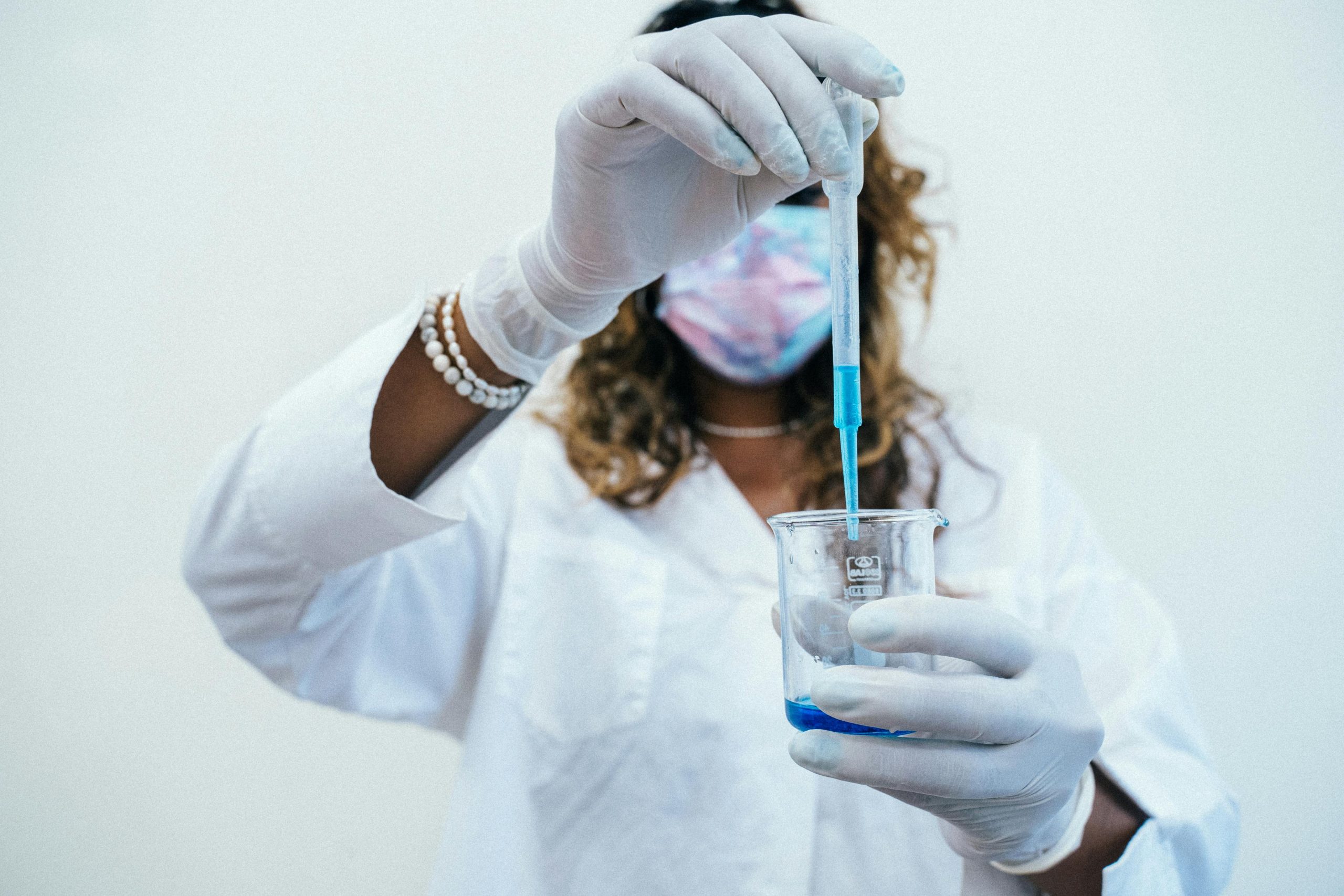
Medical breakthroughs captivate our imagination because they represent hope—hope for longer lives, better treatments, and cures where none existed before. They remind us of the extraordinary potential of human ingenuity, perseverance, and scientific inquiry. From the discovery of penicillin to the recent revolutionary mRNA vaccines, medical breakthroughs have repeatedly rewritten what’s possible in healthcare, transforming diseases once considered death sentences into manageable conditions or even eradicated threats. In a world where health crises emerge with alarming regularity, and chronic diseases continue to challenge millions, these breakthroughs are not just scientific achievements—they are lifelines for millions of patients and families worldwide. This blog explores the fascinating and complex journey of medical breakthroughs, how they come about, their far-reaching impacts, and the promising innovations shaping the future of medicine.
Medical breakthroughs often emerge from years, sometimes decades, of painstaking research. They begin with observation—a curious anomaly or a pattern noticed in clinical practice or laboratory settings. From there, researchers formulate hypotheses and design experiments to test these ideas systematically. This process can involve basic science—such as understanding molecular pathways or genetic mutations—as well as translational research, where lab findings are moved “from bench to bedside” in clinical trials. The road to a breakthrough is rarely linear. It requires iterative testing, refinement, and validation, often encountering setbacks and dead ends. Yet, the persistence of scientists and clinicians in the face of these challenges underscores the extraordinary commitment behind every major medical advance.
One of the most iconic medical breakthroughs of the 20th century was the discovery of antibiotics, which revolutionized infectious disease treatment. Alexander Fleming’s serendipitous discovery of penicillin in 1928 eventually ushered in an era where bacterial infections—once a leading cause of death—became treatable and often curable. This breakthrough fundamentally shifted the landscape of medicine, enabling complex surgeries, chemotherapy, and intensive care that rely on infection control. Since then, antibiotic development expanded, but rising antibiotic resistance now threatens these gains, highlighting the ongoing need for innovation and stewardship.
Vaccination stands as another pillar of medical breakthroughs, dramatically reducing the burden of infectious diseases. The development of vaccines for diseases like smallpox, polio, measles, and more recently COVID-19, exemplifies the power of preventative medicine. The rapid development and deployment of mRNA vaccines during the COVID-19 pandemic is a landmark achievement, showcasing how decades of genetic and molecular research converged into a nimble technology platform capable of responding swiftly to emergent pathogens. This breakthrough not only saved countless lives during a global crisis but also opened new avenues for vaccines against cancer, autoimmune diseases, and other infectious agents.
Beyond infectious diseases, breakthroughs in medical imaging have transformed diagnostics and treatment planning. Technologies such as MRI, CT scans, and PET scans provide detailed, non-invasive views inside the human body, enabling early detection and precision interventions. These advances improve patient outcomes by guiding surgeries, monitoring disease progression, and tailoring treatments. The integration of artificial intelligence with imaging is now enhancing diagnostic accuracy and efficiency, representing the next frontier in medical innovation.
Genetics and genomics have sparked a new era of personalized medicine—a profound medical breakthrough that tailors healthcare to the individual. The completion of the Human Genome Project in the early 2000s unlocked vast genetic information, paving the way for identifying genetic predispositions to diseases and developing targeted therapies. For example, targeted cancer treatments like HER2 inhibitors in breast cancer or CAR-T cell therapy for certain leukemias demonstrate how understanding genetic and molecular profiles leads to more effective, less toxic therapies. Gene editing technologies like CRISPR-Cas9 further amplify this potential, offering possibilities for correcting genetic disorders at their source, although ethical and technical challenges remain.
Regenerative medicine and stem cell research hold transformative promise, another frontier of medical breakthroughs. These fields explore ways to repair or replace damaged tissues and organs, potentially curing conditions that currently require transplantation or lifelong management. Advances in growing organs in the lab, using stem cells to regenerate heart tissue after a heart attack, or repairing spinal cord injuries illustrate the visionary scope of this research. Although much of this work is still experimental, ongoing clinical trials are bringing regenerative therapies closer to routine clinical practice.
The integration of digital technology and healthcare has sparked breakthrough innovations in diagnostics, monitoring, and patient care. Wearable devices that track vital signs in real-time, telemedicine platforms connecting patients with specialists regardless of geography, and AI-driven algorithms analyzing medical data represent a convergence of technology and medicine that expands access and improves outcomes. These digital health breakthroughs are particularly vital in managing chronic diseases like diabetes, heart disease, and mental health conditions, enabling proactive and personalized care outside traditional clinical settings.
Despite the excitement, medical breakthroughs often bring new challenges. Translating research into affordable, accessible treatments remains a hurdle—especially in low-resource settings where the burden of disease is highest. Safety concerns, regulatory hurdles, and ethical considerations must be carefully navigated, particularly with gene editing and AI applications. Moreover, the complexity of human biology means that many diseases, especially neurodegenerative and autoimmune disorders, remain stubbornly resistant to current approaches. The path forward requires collaboration among scientists, clinicians, policymakers, industry, and patients to ensure that breakthroughs translate into real-world benefits equitably.
Looking ahead, the future of medical breakthroughs is both thrilling and hopeful. Advances in systems biology and multi-omics approaches integrate vast datasets from genetics, proteomics, metabolomics, and microbiomics to provide holistic insights into health and disease. Artificial intelligence and machine learning promise to revolutionize drug discovery, diagnostics, and personalized treatment plans. Novel therapies, including nanomedicine, microbiome modulation, and synthetic biology, are expanding the therapeutic toolkit. Importantly, growing recognition of the social determinants of health and health equity is pushing breakthroughs beyond biology, fostering integrative approaches that address lifestyle, environment, and access barriers.
In sum, medical breakthroughs are the lifeblood of modern healthcare. They embody the relentless human quest to understand, heal, and improve the conditions of life. Each breakthrough carries with it stories of perseverance, ingenuity, and hope—stories that inspire and remind us of the extraordinary potential within science and medicine. As we stand on the cusp of new frontiers, embracing interdisciplinary collaboration, ethical responsibility, and equitable access will be key to ensuring that these breakthroughs continue to transform lives globally. The journey of discovery continues, promising a future where diseases are conquered, health is personalized, and longevity and quality of life reach unprecedented heights.
Leave a Reply