Category: Medical Breakthrough

  • How the COVID-19 Medical Breakthroughs Changed the Course of a Pandemic and Transformed Medicine Forever

    How the COVID-19 Medical Breakthroughs Changed the Course of a Pandemic and Transformed Medicine Forever

    When the novel coronavirus SARS-CoV-2 first emerged in late 2019, few could have predicted the profound impact it would have on the world. What began as a cluster of pneumonia cases in Wuhan, China, rapidly escalated into a global health crisis that upended daily life, overwhelmed healthcare systems, and reshaped economies. Yet, amid the chaos and loss, the COVID-19 pandemic also ignited an unprecedented wave of scientific innovation and medical breakthroughs. In a matter of months, researchers, healthcare professionals, pharmaceutical companies, and governments mobilized with extraordinary speed and collaboration, developing diagnostics, treatments, and vaccines that would change the course of the pandemic and set new standards for medical science. This blog explores in depth the remarkable medical breakthroughs born out of the COVID-19 crisis—how they emerged, the science behind them, their global impact, and the lasting legacy they leave on medicine and public health.

    The first critical breakthrough was the rapid identification and sequencing of the virus itself. Within weeks of the initial outbreak, Chinese scientists isolated SARS-CoV-2 and published its full genetic sequence in January 2020, providing the world with the blueprint needed to develop diagnostic tests, vaccines, and therapeutics. This feat was possible thanks to advances in genomic technologies and international cooperation, allowing researchers globally to begin work almost immediately. The availability of the viral genome empowered laboratories to create precise PCR-based diagnostic tests to detect the virus in patients, which became the cornerstone of pandemic control efforts. Early detection and widespread testing were crucial in tracking transmission, implementing quarantines, and informing public health strategies.

    Simultaneously, clinicians began sharing critical insights about the clinical features and progression of COVID-19. Initial confusion over symptoms, disease severity, and transmission dynamics gradually gave way to clearer understanding. It became evident that COVID-19 was not only a respiratory illness but also capable of causing systemic complications including blood clotting, neurological effects, and multi-organ damage. This evolving clinical picture informed treatment protocols and highlighted the need for diverse therapeutic approaches. Supportive care in hospitals, including oxygen therapy and ventilator support, saved countless lives while targeted treatments were explored.

    One of the earliest medical breakthroughs in treating COVID-19 involved repurposing existing drugs. Because developing new drugs from scratch takes years, scientists tested a range of antiviral and anti-inflammatory medications already approved for other diseases. Remdesivir, initially developed for Ebola, showed some promise in reducing hospital stays, earning emergency use authorization. Corticosteroids like dexamethasone emerged as a simple yet highly effective treatment for severe cases by dampening the harmful immune response known as cytokine storm, reducing mortality significantly. These findings were swiftly validated through large-scale clinical trials such as the UK’s RECOVERY trial, showcasing the power of coordinated research in a crisis. Other drugs, including monoclonal antibodies that specifically target the virus, were developed and authorized for use, adding critical tools to the therapeutic arsenal.

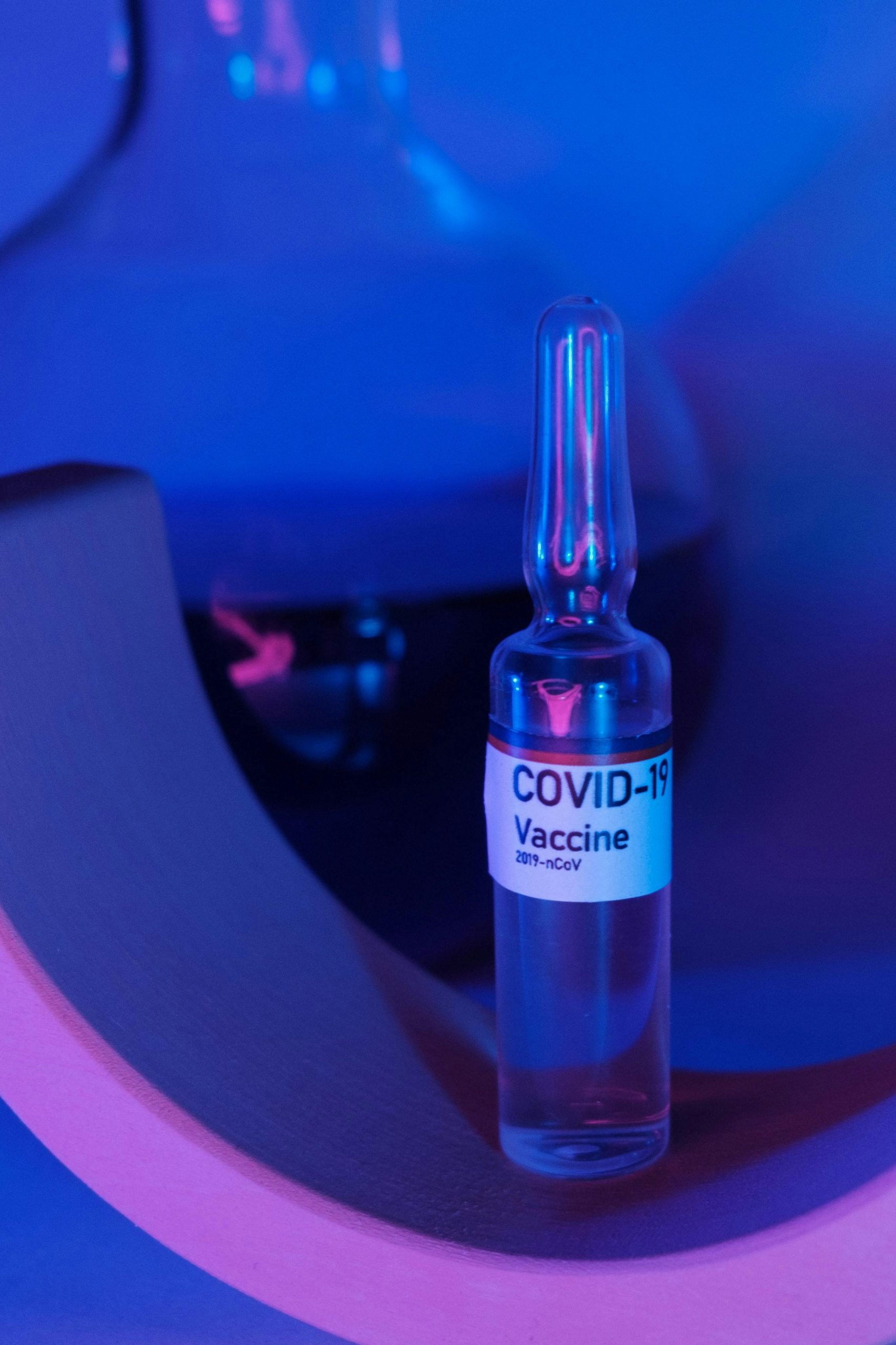
    Perhaps the most extraordinary medical breakthrough of the COVID-19 era was the development of vaccines in record time. Historically, vaccine development has taken a decade or more, but within less than a year, multiple vaccines were authorized for emergency use and deployed globally. The key to this speed was innovative vaccine platforms, particularly messenger RNA (mRNA) technology, which had been studied for years but never before approved for widespread human use. Pfizer-BioNTech and Moderna led the way with mRNA vaccines that instructed cells to produce the spike protein of SARS-CoV-2, triggering a robust immune response without exposure to live virus. This approach allowed rapid design, production, and testing. Clinical trials demonstrated remarkable efficacy, with over 90% protection against symptomatic COVID-19, and the vaccines played a pivotal role in reducing severe disease, hospitalizations, and deaths worldwide.

    The breakthrough of mRNA vaccines extends beyond COVID-19. Their success has opened the door for vaccines targeting other infectious diseases and even cancer, heralding a new era in vaccinology. In parallel, viral vector vaccines such as AstraZeneca-Oxford and Johnson & Johnson employed harmless adenoviruses to deliver genetic instructions, offering alternatives with easier storage requirements. Protein subunit vaccines and inactivated virus vaccines also expanded the vaccine landscape, providing options suited to diverse populations and regions. This unprecedented global vaccine development and rollout was bolstered by international collaborations, funding initiatives like COVAX, and accelerated regulatory processes that maintained rigorous safety standards despite the speed.

    Another critical breakthrough came in diagnostic technologies beyond PCR tests. Rapid antigen tests and antibody tests were developed, offering quicker, more accessible options for detecting active infection or past exposure. These tools became essential for mass screening, reopening economies, and monitoring vaccine effectiveness. Innovations in point-of-care testing, home testing kits, and digital tracking systems enhanced public health responses and empowered individuals to make informed decisions about isolation and seeking care.

    The pandemic also accelerated advances in healthcare delivery models. Telemedicine, once a niche service, became mainstream as lockdowns and social distancing limited in-person visits. Virtual consultations, remote monitoring, and digital health platforms allowed continuity of care while reducing exposure risks. These breakthroughs in healthcare accessibility and convenience are poised to endure beyond the pandemic, reshaping how medicine is practiced and experienced globally.

    Beyond direct medical interventions, the COVID-19 pandemic spurred breakthroughs in understanding viral evolution and epidemiology. The emergence of variants such as Alpha, Beta, Delta, and Omicron demonstrated the virus’s capacity to mutate, sometimes increasing transmissibility or evading immunity. Genomic surveillance systems were rapidly established worldwide to track these variants, guiding public health decisions and vaccine updates. This real-time monitoring represents a leap forward in pathogen tracking, applicable to future infectious disease threats.

    The massive data generated by the pandemic has also fueled breakthroughs in artificial intelligence and machine learning applications in medicine. AI-powered tools analyzed vast datasets from electronic health records, imaging studies, and epidemiological data to predict disease severity, optimize resource allocation, and accelerate drug discovery. These technological advances promise to enhance precision medicine and public health preparedness long after COVID-19 is contained.

    While the achievements have been extraordinary, the pandemic’s medical breakthroughs have also highlighted persistent challenges and inequities. Vaccine distribution disparities left many low- and middle-income countries vulnerable for prolonged periods, underscoring the need for improved global health infrastructure and solidarity. Issues of vaccine hesitancy and misinformation complicated public health efforts, revealing the critical role of effective science communication. Furthermore, long COVID—a constellation of lingering symptoms affecting millions—remains a medical puzzle requiring ongoing research and innovative care approaches.

    Looking forward, the lessons and innovations from the COVID-19 pandemic will shape future medical research and healthcare systems. Investments in pandemic preparedness, rapid vaccine platforms, global data sharing, and collaborative networks have been galvanized. The pandemic has demonstrated the power of science when mobilized with urgency, transparency, and cooperation. It also exposed vulnerabilities, prompting reforms aimed at health equity, resilience, and sustainability.

    In conclusion, the medical breakthroughs catalyzed by the COVID-19 pandemic represent a watershed moment in the history of medicine. From sequencing the virus to deploying novel vaccines, repurposing treatments, enhancing diagnostics, and transforming healthcare delivery, these advances saved millions of lives and altered the trajectory of a global crisis. They epitomize human resilience and ingenuity in the face of unprecedented adversity. The rapid pace and scale of these breakthroughs have set new standards and possibilities for medical science, offering hope not only for overcoming COVID-19 but for tackling future health challenges with greater speed and efficacy. As the world continues to adapt and recover, the legacy of these breakthroughs will endure, reminding us that through science, collaboration, and determination, even the most daunting health threats can be met—and overcome.
  • Revolutionizing Health: The Unstoppable Surge of Medical Breakthroughs Transforming Our Lives

    Revolutionizing Health: The Unstoppable Surge of Medical Breakthroughs Transforming Our Lives

    Every once in a while, humanity witnesses a leap so profound that it reshapes the very foundation of how we understand, treat, and prevent disease. These moments—medical breakthroughs—are not mere milestones; they are revolutions in the art and science of healing that ripple through generations. From the advent of vaccines that have nearly eradicated once-dreaded diseases, to cutting-edge gene editing techniques promising cures to previously untreatable conditions, medical breakthroughs inspire hope and redefine possibility. They mark the culmination of tireless research, innovation, and the relentless human spirit. These breakthroughs have reshaped societies, extended lifespans, and improved quality of life in ways once thought unimaginable. This blog embarks on an extensive journey through the landscape of medical breakthroughs, exploring their origins, profound impacts, the science behind them, and the exciting frontiers that lie ahead.

    Medical breakthroughs rarely happen overnight. Behind every headline-grabbing discovery lies years—often decades—of rigorous research, trial, and error. Scientific progress builds incrementally, with countless experiments, clinical trials, and technological advancements gradually paving the way. The journey begins with curiosity and observation, when scientists detect anomalies or patterns that hint at new understandings of health and disease. These observations lead to hypotheses, which are then tested through meticulous laboratory research and, crucially, through carefully designed clinical trials involving human participants. Such trials progress through phases, ensuring safety, efficacy, and reproducibility before any new treatment reaches the public. This painstaking process exemplifies the immense dedication and precision that define medical innovation.

    One of the most transformative medical breakthroughs in history is the discovery of antibiotics. Before their advent, bacterial infections were among the deadliest ailments, often claiming lives through pneumonia, tuberculosis, or sepsis. The accidental discovery of penicillin by Alexander Fleming in 1928 revolutionized medicine, turning the tide against infectious diseases. This discovery catalyzed a new era where bacterial infections could be effectively treated, enabling advances in surgery, cancer treatment, and intensive care that depend on infection control. Over time, numerous other antibiotics were developed, saving millions of lives. Yet, this triumph now faces a daunting challenge: antibiotic resistance. The overuse and misuse of antibiotics have spawned drug-resistant “superbugs,” threatening to undo decades of progress. This ongoing battle underscores the dynamic nature of medical breakthroughs—not static victories, but ongoing journeys requiring vigilance and innovation.

    Vaccination represents another cornerstone of medical breakthroughs. The eradication of smallpox and the near-elimination of polio are among the most significant public health achievements of all time. Vaccines harness the power of the immune system to prevent disease, reducing suffering on a global scale. Recent breakthroughs in vaccine technology, especially the development of mRNA vaccines during the COVID-19 pandemic, highlight the extraordinary potential of rapid, adaptable medical innovation. These vaccines, developed and authorized in record time, not only curbed a devastating pandemic but also opened new possibilities for vaccines against cancer, influenza, and other infectious diseases. The flexibility and precision of mRNA technology mark a new chapter in preventive medicine, promising faster responses to future outbreaks.

    Imaging technologies also constitute groundbreaking advances that have transformed diagnosis and treatment. Tools such as MRI, CT scans, and PET scans provide detailed, non-invasive views inside the human body, allowing doctors to detect diseases earlier and with greater accuracy. Early detection improves treatment success rates, from identifying tumors before they metastasize to mapping neurological disorders. The integration of artificial intelligence into imaging is further revolutionizing healthcare, automating analysis and uncovering subtle patterns that may elude even the most skilled clinicians. This fusion of technology and medicine exemplifies how breakthroughs often build on the convergence of multiple fields.

    Genetics and genomics have ushered in one of the most exciting eras in medical science. The completion of the Human Genome Project in 2003 paved the way for personalized medicine—tailoring healthcare based on individual genetic profiles. This breakthrough has enabled targeted cancer therapies that attack specific mutations, dramatically improving survival rates for certain cancers. Gene editing tools like CRISPR-Cas9 push the frontier further, offering the potential to correct genetic disorders at their root. Although still emerging and accompanied by ethical debates, gene editing promises cures for diseases like sickle cell anemia and cystic fibrosis. Moreover, genomics is enabling earlier diagnosis and risk assessment for diseases such as Alzheimer’s and cardiovascular conditions, transforming prevention and management.

    Regenerative medicine and stem cell research embody another frontier of medical breakthroughs. This field explores ways to repair or replace damaged tissues and organs, potentially revolutionizing treatments for conditions once considered irreversible. Stem cells can differentiate into various cell types, offering hope for regenerating heart muscle after a heart attack or repairing spinal cord injuries. Laboratory-grown organs for transplantation, though still experimental, promise to alleviate organ shortages that cost thousands of lives annually. While many regenerative therapies are in early stages, ongoing clinical trials bring optimism that these breakthroughs will soon become standard care.

    Digital health technologies and artificial intelligence are accelerating breakthroughs in diagnosis, treatment, and patient care. Wearable devices monitor vital signs continuously, enabling early detection of health issues and personalized interventions. Telemedicine breaks down geographical barriers, offering specialist care to remote and underserved populations. AI algorithms analyze vast medical datasets to identify disease patterns, predict outcomes, and recommend treatments. For chronic diseases like diabetes, cardiovascular illnesses, and mental health disorders, these innovations facilitate proactive, tailored care outside traditional clinical settings. The fusion of data science and medicine is creating a new paradigm of health management—predictive, personalized, and participatory.

    Despite their promise, medical breakthroughs face significant hurdles. Translating laboratory discoveries into safe, effective, and affordable treatments is complex and costly. Regulatory processes, while vital for safety, can delay access to innovations. Ensuring equitable access worldwide is a profound challenge; many breakthroughs remain out of reach for populations in low-resource settings. Ethical concerns also loom large, particularly with technologies like gene editing and AI decision-making. Balancing innovation with privacy, consent, and societal values demands continuous dialogue among scientists, ethicists, policymakers, and the public. Additionally, the complexity of diseases like Alzheimer’s, autoimmune disorders, and many cancers means that breakthroughs often bring incremental progress rather than immediate cures, requiring sustained effort and patience.

    The future of medical breakthroughs shines brightly with promise. Advances in systems biology and multi-omics approaches integrate genetic, proteomic, metabolomic, and microbiome data, providing holistic insights into health and disease mechanisms. Precision medicine will become increasingly sophisticated, incorporating environmental and lifestyle factors alongside genetic profiles. AI and machine learning will continue to revolutionize drug discovery, clinical decision-making, and personalized treatment plans. Emerging therapies such as nanomedicine, microbiome modulation, and synthetic biology will expand therapeutic options. Importantly, a growing emphasis on social determinants of health and health equity aims to ensure that breakthroughs benefit all segments of society, bridging gaps in care and outcomes.

    In essence, medical breakthroughs are the beating heart of modern healthcare and the embodiment of human resilience and creativity. They reflect a relentless quest to understand the complexities of life, conquer disease, and enhance wellbeing. Each breakthrough carries stories of perseverance, innovation, and collaboration across disciplines and borders. As science and technology continue to advance, so too does the potential for new breakthroughs that will transform health and longevity. Embracing these innovations with ethical responsibility and equitable access will be key to unlocking a future where disease is less feared, treatment is more effective, and health is a right shared by all. The journey of medical breakthroughs is ongoing, and with every discovery, we move closer to a world where better health is not just a dream, but a reality for everyone.

  • Breaking Boundaries: The Medical Breakthroughs That Are Redefining the Future of Health

    Breaking Boundaries: The Medical Breakthroughs That Are Redefining the Future of Health

    Medical breakthroughs captivate our imagination because they represent hope—hope for longer lives, better treatments, and cures where none existed before. They remind us of the extraordinary potential of human ingenuity, perseverance, and scientific inquiry. From the discovery of penicillin to the recent revolutionary mRNA vaccines, medical breakthroughs have repeatedly rewritten what’s possible in healthcare, transforming diseases once considered death sentences into manageable conditions or even eradicated threats. In a world where health crises emerge with alarming regularity, and chronic diseases continue to challenge millions, these breakthroughs are not just scientific achievements—they are lifelines for millions of patients and families worldwide. This blog explores the fascinating and complex journey of medical breakthroughs, how they come about, their far-reaching impacts, and the promising innovations shaping the future of medicine.

    Medical breakthroughs often emerge from years, sometimes decades, of painstaking research. They begin with observation—a curious anomaly or a pattern noticed in clinical practice or laboratory settings. From there, researchers formulate hypotheses and design experiments to test these ideas systematically. This process can involve basic science—such as understanding molecular pathways or genetic mutations—as well as translational research, where lab findings are moved “from bench to bedside” in clinical trials. The road to a breakthrough is rarely linear. It requires iterative testing, refinement, and validation, often encountering setbacks and dead ends. Yet, the persistence of scientists and clinicians in the face of these challenges underscores the extraordinary commitment behind every major medical advance.

    One of the most iconic medical breakthroughs of the 20th century was the discovery of antibiotics, which revolutionized infectious disease treatment. Alexander Fleming’s serendipitous discovery of penicillin in 1928 eventually ushered in an era where bacterial infections—once a leading cause of death—became treatable and often curable. This breakthrough fundamentally shifted the landscape of medicine, enabling complex surgeries, chemotherapy, and intensive care that rely on infection control. Since then, antibiotic development expanded, but rising antibiotic resistance now threatens these gains, highlighting the ongoing need for innovation and stewardship.

    Vaccination stands as another pillar of medical breakthroughs, dramatically reducing the burden of infectious diseases. The development of vaccines for diseases like smallpox, polio, measles, and more recently COVID-19, exemplifies the power of preventative medicine. The rapid development and deployment of mRNA vaccines during the COVID-19 pandemic is a landmark achievement, showcasing how decades of genetic and molecular research converged into a nimble technology platform capable of responding swiftly to emergent pathogens. This breakthrough not only saved countless lives during a global crisis but also opened new avenues for vaccines against cancer, autoimmune diseases, and other infectious agents.

    Beyond infectious diseases, breakthroughs in medical imaging have transformed diagnostics and treatment planning. Technologies such as MRI, CT scans, and PET scans provide detailed, non-invasive views inside the human body, enabling early detection and precision interventions. These advances improve patient outcomes by guiding surgeries, monitoring disease progression, and tailoring treatments. The integration of artificial intelligence with imaging is now enhancing diagnostic accuracy and efficiency, representing the next frontier in medical innovation.

    Genetics and genomics have sparked a new era of personalized medicine—a profound medical breakthrough that tailors healthcare to the individual. The completion of the Human Genome Project in the early 2000s unlocked vast genetic information, paving the way for identifying genetic predispositions to diseases and developing targeted therapies. For example, targeted cancer treatments like HER2 inhibitors in breast cancer or CAR-T cell therapy for certain leukemias demonstrate how understanding genetic and molecular profiles leads to more effective, less toxic therapies. Gene editing technologies like CRISPR-Cas9 further amplify this potential, offering possibilities for correcting genetic disorders at their source, although ethical and technical challenges remain.

    Regenerative medicine and stem cell research hold transformative promise, another frontier of medical breakthroughs. These fields explore ways to repair or replace damaged tissues and organs, potentially curing conditions that currently require transplantation or lifelong management. Advances in growing organs in the lab, using stem cells to regenerate heart tissue after a heart attack, or repairing spinal cord injuries illustrate the visionary scope of this research. Although much of this work is still experimental, ongoing clinical trials are bringing regenerative therapies closer to routine clinical practice.

    The integration of digital technology and healthcare has sparked breakthrough innovations in diagnostics, monitoring, and patient care. Wearable devices that track vital signs in real-time, telemedicine platforms connecting patients with specialists regardless of geography, and AI-driven algorithms analyzing medical data represent a convergence of technology and medicine that expands access and improves outcomes. These digital health breakthroughs are particularly vital in managing chronic diseases like diabetes, heart disease, and mental health conditions, enabling proactive and personalized care outside traditional clinical settings.

    Despite the excitement, medical breakthroughs often bring new challenges. Translating research into affordable, accessible treatments remains a hurdle—especially in low-resource settings where the burden of disease is highest. Safety concerns, regulatory hurdles, and ethical considerations must be carefully navigated, particularly with gene editing and AI applications. Moreover, the complexity of human biology means that many diseases, especially neurodegenerative and autoimmune disorders, remain stubbornly resistant to current approaches. The path forward requires collaboration among scientists, clinicians, policymakers, industry, and patients to ensure that breakthroughs translate into real-world benefits equitably.

    Looking ahead, the future of medical breakthroughs is both thrilling and hopeful. Advances in systems biology and multi-omics approaches integrate vast datasets from genetics, proteomics, metabolomics, and microbiomics to provide holistic insights into health and disease. Artificial intelligence and machine learning promise to revolutionize drug discovery, diagnostics, and personalized treatment plans. Novel therapies, including nanomedicine, microbiome modulation, and synthetic biology, are expanding the therapeutic toolkit. Importantly, growing recognition of the social determinants of health and health equity is pushing breakthroughs beyond biology, fostering integrative approaches that address lifestyle, environment, and access barriers.

    In sum, medical breakthroughs are the lifeblood of modern healthcare. They embody the relentless human quest to understand, heal, and improve the conditions of life. Each breakthrough carries with it stories of perseverance, ingenuity, and hope—stories that inspire and remind us of the extraordinary potential within science and medicine. As we stand on the cusp of new frontiers, embracing interdisciplinary collaboration, ethical responsibility, and equitable access will be key to ensuring that these breakthroughs continue to transform lives globally. The journey of discovery continues, promising a future where diseases are conquered, health is personalized, and longevity and quality of life reach unprecedented heights.