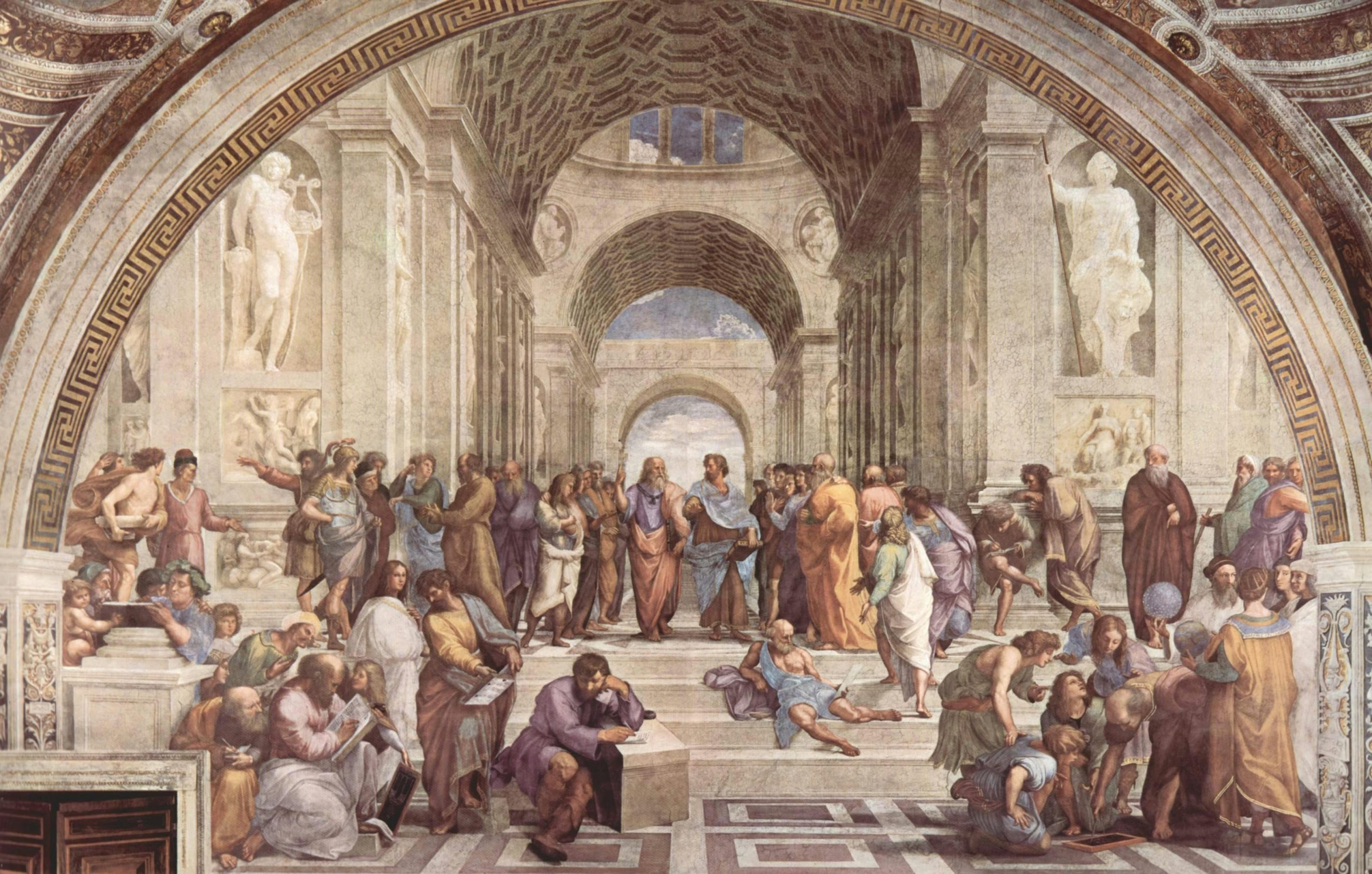
Art has been an intrinsic part of human civilization since the dawn of time, serving as a mirror to society, a catalyst for change, and a profound form of self-expression. From prehistoric cave paintings to cutting-edge digital installations, art transcends boundaries of language, geography, and culture, enabling individuals and communities to explore identity, history, and emotion in ways that words often cannot capture. This blog dives into the multifaceted role of art in our world today, examining its cultural significance, its evolving forms, and the ways it fosters connection and transformation.
At its core, art is a reflection of humanity’s quest to understand and interpret the world. Through painting, sculpture, music, literature, theater, dance, and more recently, digital media and virtual reality, artists communicate ideas and emotions that resonate across time and space. Art preserves the narratives of communities, often telling stories overlooked by mainstream history or giving voice to marginalized groups. For example, indigenous art carries ancestral knowledge and spiritual traditions that connect past generations to the present and future.
In the contemporary era, art’s influence extends beyond aesthetic appreciation. It plays a crucial role in social commentary and activism. Many artists harness their craft to challenge injustice, question societal norms, and inspire empathy. Street art, for instance, has emerged as a powerful tool for political expression and community engagement, transforming public spaces into canvases of resistance and hope. Exhibitions focusing on themes like climate change, racial equity, and mental health encourage viewers to confront difficult realities and envision new possibilities.
The digital revolution has expanded art’s reach and democratized its creation and consumption. Platforms like Instagram, TikTok, and online galleries enable artists to showcase their work to global audiences without traditional gatekeepers. Virtual exhibitions and NFTs (non-fungible tokens) are redefining notions of ownership, authenticity, and value in the art world. This accessibility fosters diverse voices and experimental forms, but also raises questions about commercialization, sustainability, and the digital divide.
Art’s impact on individual well-being is profound and increasingly recognized by science. Engaging with art—whether creating or experiencing it—can reduce stress, improve cognitive function, and enhance emotional resilience. Art therapy is used in clinical settings to support mental health, trauma recovery, and personal growth. Community art projects build social cohesion, encourage dialogue, and empower participants by fostering creativity and collaboration.
Culturally, art bridges divides and fosters cross-cultural understanding. International festivals, residencies, and collaborations bring together artists from diverse backgrounds, facilitating exchange and innovation. These interactions highlight both the uniqueness and universality of human experience, promoting respect and solidarity in an increasingly interconnected world.
However, the art world faces challenges around equity and representation. Historically, many artists and communities have been excluded from mainstream recognition and resources. Efforts to decolonize museums, diversify leadership, and support underrepresented artists are vital to creating an inclusive cultural landscape that truly reflects global creativity.
Economically, art contributes significantly to societies by generating employment, tourism, and creative industries. Cities investing in cultural infrastructure often see revitalized neighborhoods and enhanced quality of life. Yet, artists frequently navigate precarious working conditions and lack of financial support, prompting calls for sustainable policies that recognize art’s societal value.
In education, integrating art fosters critical thinking, problem-solving, and empathy among students. Arts education nurtures creativity, which is essential not only for individual fulfillment but also for innovation across all sectors. As the world confronts complex challenges, the ability to think creatively and imaginatively is more crucial than ever.
In conclusion, art remains a vital force in shaping our collective and personal identities. It challenges, comforts, and connects us, enriching lives in countless ways. As we embrace new technologies and evolving cultural dynamics, supporting and engaging with art is essential for nurturing a more empathetic, creative, and inclusive society. Whether through the timeless beauty of a painting or the immersive experience of a digital artwork, art invites us to explore what it means to be human—and to imagine a better world.
Leave a Reply