When the novel coronavirus SARS-CoV-2 first emerged in late 2019, few could have predicted the profound impact it would have on the world. What began as a cluster of pneumonia cases in Wuhan, China, rapidly escalated into a global health crisis that upended daily life, overwhelmed healthcare systems, and reshaped economies. Yet, amid the chaos and loss, the COVID-19 pandemic also ignited an unprecedented wave of scientific innovation and medical breakthroughs. In a matter of months, researchers, healthcare professionals, pharmaceutical companies, and governments mobilized with extraordinary speed and collaboration, developing diagnostics, treatments, and vaccines that would change the course of the pandemic and set new standards for medical science. This blog explores in depth the remarkable medical breakthroughs born out of the COVID-19 crisis—how they emerged, the science behind them, their global impact, and the lasting legacy they leave on medicine and public health.
The first critical breakthrough was the rapid identification and sequencing of the virus itself. Within weeks of the initial outbreak, Chinese scientists isolated SARS-CoV-2 and published its full genetic sequence in January 2020, providing the world with the blueprint needed to develop diagnostic tests, vaccines, and therapeutics. This feat was possible thanks to advances in genomic technologies and international cooperation, allowing researchers globally to begin work almost immediately. The availability of the viral genome empowered laboratories to create precise PCR-based diagnostic tests to detect the virus in patients, which became the cornerstone of pandemic control efforts. Early detection and widespread testing were crucial in tracking transmission, implementing quarantines, and informing public health strategies.
Simultaneously, clinicians began sharing critical insights about the clinical features and progression of COVID-19. Initial confusion over symptoms, disease severity, and transmission dynamics gradually gave way to clearer understanding. It became evident that COVID-19 was not only a respiratory illness but also capable of causing systemic complications including blood clotting, neurological effects, and multi-organ damage. This evolving clinical picture informed treatment protocols and highlighted the need for diverse therapeutic approaches. Supportive care in hospitals, including oxygen therapy and ventilator support, saved countless lives while targeted treatments were explored.
One of the earliest medical breakthroughs in treating COVID-19 involved repurposing existing drugs. Because developing new drugs from scratch takes years, scientists tested a range of antiviral and anti-inflammatory medications already approved for other diseases. Remdesivir, initially developed for Ebola, showed some promise in reducing hospital stays, earning emergency use authorization. Corticosteroids like dexamethasone emerged as a simple yet highly effective treatment for severe cases by dampening the harmful immune response known as cytokine storm, reducing mortality significantly. These findings were swiftly validated through large-scale clinical trials such as the UK’s RECOVERY trial, showcasing the power of coordinated research in a crisis. Other drugs, including monoclonal antibodies that specifically target the virus, were developed and authorized for use, adding critical tools to the therapeutic arsenal.
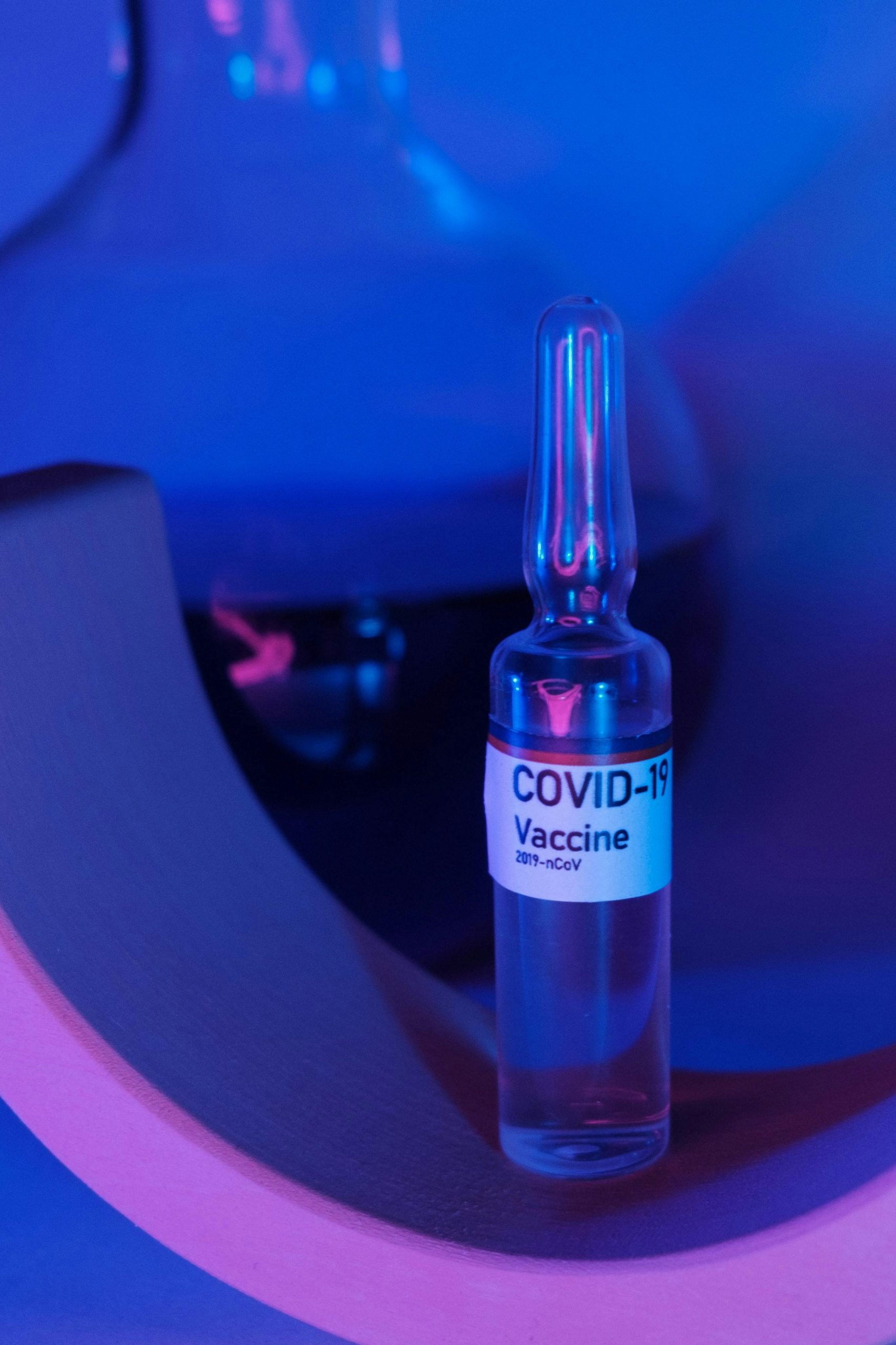
Perhaps the most extraordinary medical breakthrough of the COVID-19 era was the development of vaccines in record time. Historically, vaccine development has taken a decade or more, but within less than a year, multiple vaccines were authorized for emergency use and deployed globally. The key to this speed was innovative vaccine platforms, particularly messenger RNA (mRNA) technology, which had been studied for years but never before approved for widespread human use. Pfizer-BioNTech and Moderna led the way with mRNA vaccines that instructed cells to produce the spike protein of SARS-CoV-2, triggering a robust immune response without exposure to live virus. This approach allowed rapid design, production, and testing. Clinical trials demonstrated remarkable efficacy, with over 90% protection against symptomatic COVID-19, and the vaccines played a pivotal role in reducing severe disease, hospitalizations, and deaths worldwide.
The breakthrough of mRNA vaccines extends beyond COVID-19. Their success has opened the door for vaccines targeting other infectious diseases and even cancer, heralding a new era in vaccinology. In parallel, viral vector vaccines such as AstraZeneca-Oxford and Johnson & Johnson employed harmless adenoviruses to deliver genetic instructions, offering alternatives with easier storage requirements. Protein subunit vaccines and inactivated virus vaccines also expanded the vaccine landscape, providing options suited to diverse populations and regions. This unprecedented global vaccine development and rollout was bolstered by international collaborations, funding initiatives like COVAX, and accelerated regulatory processes that maintained rigorous safety standards despite the speed.
Another critical breakthrough came in diagnostic technologies beyond PCR tests. Rapid antigen tests and antibody tests were developed, offering quicker, more accessible options for detecting active infection or past exposure. These tools became essential for mass screening, reopening economies, and monitoring vaccine effectiveness. Innovations in point-of-care testing, home testing kits, and digital tracking systems enhanced public health responses and empowered individuals to make informed decisions about isolation and seeking care.
The pandemic also accelerated advances in healthcare delivery models. Telemedicine, once a niche service, became mainstream as lockdowns and social distancing limited in-person visits. Virtual consultations, remote monitoring, and digital health platforms allowed continuity of care while reducing exposure risks. These breakthroughs in healthcare accessibility and convenience are poised to endure beyond the pandemic, reshaping how medicine is practiced and experienced globally.
Beyond direct medical interventions, the COVID-19 pandemic spurred breakthroughs in understanding viral evolution and epidemiology. The emergence of variants such as Alpha, Beta, Delta, and Omicron demonstrated the virus’s capacity to mutate, sometimes increasing transmissibility or evading immunity. Genomic surveillance systems were rapidly established worldwide to track these variants, guiding public health decisions and vaccine updates. This real-time monitoring represents a leap forward in pathogen tracking, applicable to future infectious disease threats.
The massive data generated by the pandemic has also fueled breakthroughs in artificial intelligence and machine learning applications in medicine. AI-powered tools analyzed vast datasets from electronic health records, imaging studies, and epidemiological data to predict disease severity, optimize resource allocation, and accelerate drug discovery. These technological advances promise to enhance precision medicine and public health preparedness long after COVID-19 is contained.
While the achievements have been extraordinary, the pandemic’s medical breakthroughs have also highlighted persistent challenges and inequities. Vaccine distribution disparities left many low- and middle-income countries vulnerable for prolonged periods, underscoring the need for improved global health infrastructure and solidarity. Issues of vaccine hesitancy and misinformation complicated public health efforts, revealing the critical role of effective science communication. Furthermore, long COVID—a constellation of lingering symptoms affecting millions—remains a medical puzzle requiring ongoing research and innovative care approaches.
Looking forward, the lessons and innovations from the COVID-19 pandemic will shape future medical research and healthcare systems. Investments in pandemic preparedness, rapid vaccine platforms, global data sharing, and collaborative networks have been galvanized. The pandemic has demonstrated the power of science when mobilized with urgency, transparency, and cooperation. It also exposed vulnerabilities, prompting reforms aimed at health equity, resilience, and sustainability.
In conclusion, the medical breakthroughs catalyzed by the COVID-19 pandemic represent a watershed moment in the history of medicine. From sequencing the virus to deploying novel vaccines, repurposing treatments, enhancing diagnostics, and transforming healthcare delivery, these advances saved millions of lives and altered the trajectory of a global crisis. They epitomize human resilience and ingenuity in the face of unprecedented adversity. The rapid pace and scale of these breakthroughs have set new standards and possibilities for medical science, offering hope not only for overcoming COVID-19 but for tackling future health challenges with greater speed and efficacy. As the world continues to adapt and recover, the legacy of these breakthroughs will endure, reminding us that through science, collaboration, and determination, even the most daunting health threats can be met—and overcome.
Leave a Reply