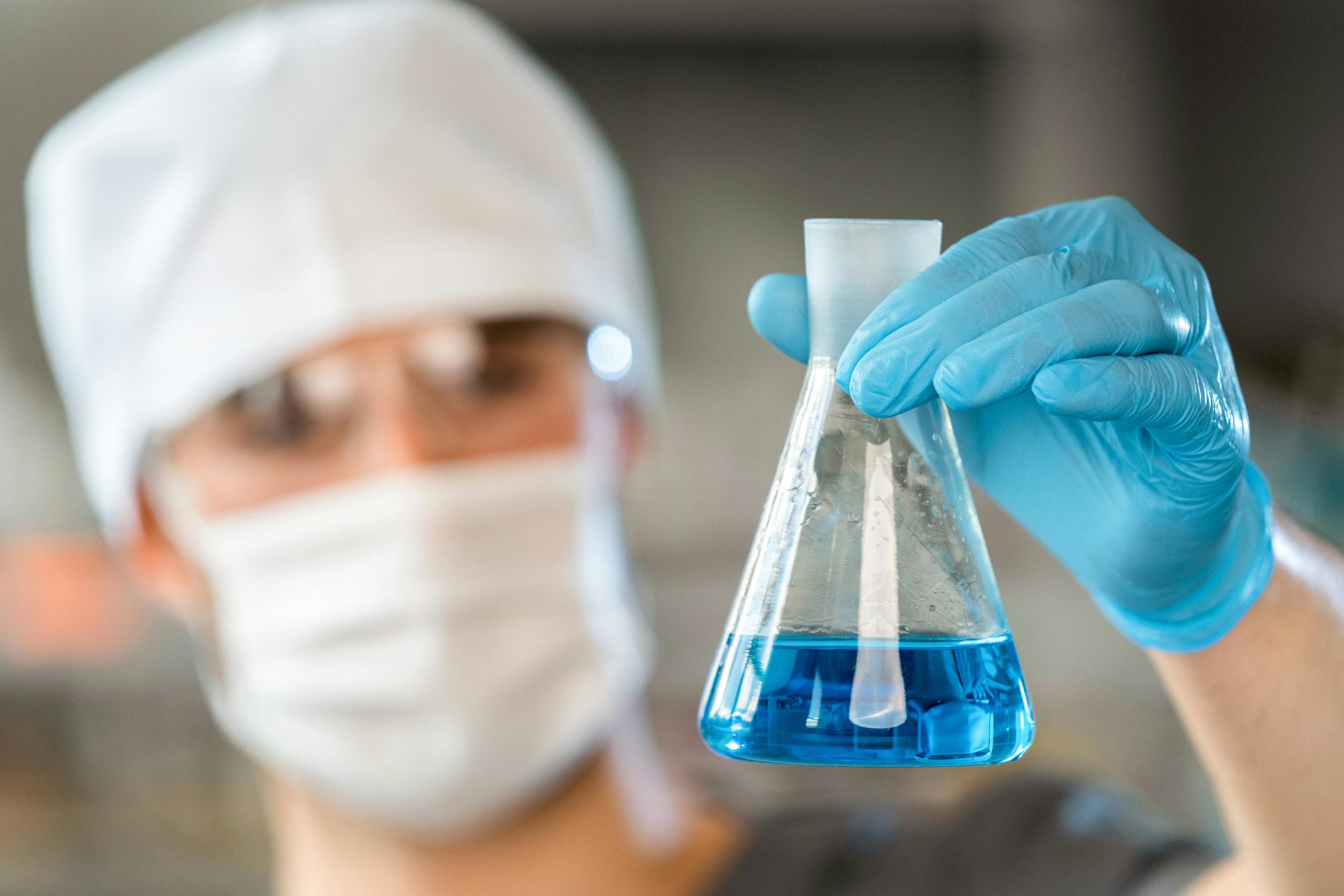
Every once in a while, humanity witnesses a leap so profound that it reshapes the very foundation of how we understand, treat, and prevent disease. These moments—medical breakthroughs—are not mere milestones; they are revolutions in the art and science of healing that ripple through generations. From the advent of vaccines that have nearly eradicated once-dreaded diseases, to cutting-edge gene editing techniques promising cures to previously untreatable conditions, medical breakthroughs inspire hope and redefine possibility. They mark the culmination of tireless research, innovation, and the relentless human spirit. These breakthroughs have reshaped societies, extended lifespans, and improved quality of life in ways once thought unimaginable. This blog embarks on an extensive journey through the landscape of medical breakthroughs, exploring their origins, profound impacts, the science behind them, and the exciting frontiers that lie ahead.
Medical breakthroughs rarely happen overnight. Behind every headline-grabbing discovery lies years—often decades—of rigorous research, trial, and error. Scientific progress builds incrementally, with countless experiments, clinical trials, and technological advancements gradually paving the way. The journey begins with curiosity and observation, when scientists detect anomalies or patterns that hint at new understandings of health and disease. These observations lead to hypotheses, which are then tested through meticulous laboratory research and, crucially, through carefully designed clinical trials involving human participants. Such trials progress through phases, ensuring safety, efficacy, and reproducibility before any new treatment reaches the public. This painstaking process exemplifies the immense dedication and precision that define medical innovation.
One of the most transformative medical breakthroughs in history is the discovery of antibiotics. Before their advent, bacterial infections were among the deadliest ailments, often claiming lives through pneumonia, tuberculosis, or sepsis. The accidental discovery of penicillin by Alexander Fleming in 1928 revolutionized medicine, turning the tide against infectious diseases. This discovery catalyzed a new era where bacterial infections could be effectively treated, enabling advances in surgery, cancer treatment, and intensive care that depend on infection control. Over time, numerous other antibiotics were developed, saving millions of lives. Yet, this triumph now faces a daunting challenge: antibiotic resistance. The overuse and misuse of antibiotics have spawned drug-resistant “superbugs,” threatening to undo decades of progress. This ongoing battle underscores the dynamic nature of medical breakthroughs—not static victories, but ongoing journeys requiring vigilance and innovation.
Vaccination represents another cornerstone of medical breakthroughs. The eradication of smallpox and the near-elimination of polio are among the most significant public health achievements of all time. Vaccines harness the power of the immune system to prevent disease, reducing suffering on a global scale. Recent breakthroughs in vaccine technology, especially the development of mRNA vaccines during the COVID-19 pandemic, highlight the extraordinary potential of rapid, adaptable medical innovation. These vaccines, developed and authorized in record time, not only curbed a devastating pandemic but also opened new possibilities for vaccines against cancer, influenza, and other infectious diseases. The flexibility and precision of mRNA technology mark a new chapter in preventive medicine, promising faster responses to future outbreaks.
Imaging technologies also constitute groundbreaking advances that have transformed diagnosis and treatment. Tools such as MRI, CT scans, and PET scans provide detailed, non-invasive views inside the human body, allowing doctors to detect diseases earlier and with greater accuracy. Early detection improves treatment success rates, from identifying tumors before they metastasize to mapping neurological disorders. The integration of artificial intelligence into imaging is further revolutionizing healthcare, automating analysis and uncovering subtle patterns that may elude even the most skilled clinicians. This fusion of technology and medicine exemplifies how breakthroughs often build on the convergence of multiple fields.
Genetics and genomics have ushered in one of the most exciting eras in medical science. The completion of the Human Genome Project in 2003 paved the way for personalized medicine—tailoring healthcare based on individual genetic profiles. This breakthrough has enabled targeted cancer therapies that attack specific mutations, dramatically improving survival rates for certain cancers. Gene editing tools like CRISPR-Cas9 push the frontier further, offering the potential to correct genetic disorders at their root. Although still emerging and accompanied by ethical debates, gene editing promises cures for diseases like sickle cell anemia and cystic fibrosis. Moreover, genomics is enabling earlier diagnosis and risk assessment for diseases such as Alzheimer’s and cardiovascular conditions, transforming prevention and management.
Regenerative medicine and stem cell research embody another frontier of medical breakthroughs. This field explores ways to repair or replace damaged tissues and organs, potentially revolutionizing treatments for conditions once considered irreversible. Stem cells can differentiate into various cell types, offering hope for regenerating heart muscle after a heart attack or repairing spinal cord injuries. Laboratory-grown organs for transplantation, though still experimental, promise to alleviate organ shortages that cost thousands of lives annually. While many regenerative therapies are in early stages, ongoing clinical trials bring optimism that these breakthroughs will soon become standard care.
Digital health technologies and artificial intelligence are accelerating breakthroughs in diagnosis, treatment, and patient care. Wearable devices monitor vital signs continuously, enabling early detection of health issues and personalized interventions. Telemedicine breaks down geographical barriers, offering specialist care to remote and underserved populations. AI algorithms analyze vast medical datasets to identify disease patterns, predict outcomes, and recommend treatments. For chronic diseases like diabetes, cardiovascular illnesses, and mental health disorders, these innovations facilitate proactive, tailored care outside traditional clinical settings. The fusion of data science and medicine is creating a new paradigm of health management—predictive, personalized, and participatory.
Despite their promise, medical breakthroughs face significant hurdles. Translating laboratory discoveries into safe, effective, and affordable treatments is complex and costly. Regulatory processes, while vital for safety, can delay access to innovations. Ensuring equitable access worldwide is a profound challenge; many breakthroughs remain out of reach for populations in low-resource settings. Ethical concerns also loom large, particularly with technologies like gene editing and AI decision-making. Balancing innovation with privacy, consent, and societal values demands continuous dialogue among scientists, ethicists, policymakers, and the public. Additionally, the complexity of diseases like Alzheimer’s, autoimmune disorders, and many cancers means that breakthroughs often bring incremental progress rather than immediate cures, requiring sustained effort and patience.
The future of medical breakthroughs shines brightly with promise. Advances in systems biology and multi-omics approaches integrate genetic, proteomic, metabolomic, and microbiome data, providing holistic insights into health and disease mechanisms. Precision medicine will become increasingly sophisticated, incorporating environmental and lifestyle factors alongside genetic profiles. AI and machine learning will continue to revolutionize drug discovery, clinical decision-making, and personalized treatment plans. Emerging therapies such as nanomedicine, microbiome modulation, and synthetic biology will expand therapeutic options. Importantly, a growing emphasis on social determinants of health and health equity aims to ensure that breakthroughs benefit all segments of society, bridging gaps in care and outcomes.
In essence, medical breakthroughs are the beating heart of modern healthcare and the embodiment of human resilience and creativity. They reflect a relentless quest to understand the complexities of life, conquer disease, and enhance wellbeing. Each breakthrough carries stories of perseverance, innovation, and collaboration across disciplines and borders. As science and technology continue to advance, so too does the potential for new breakthroughs that will transform health and longevity. Embracing these innovations with ethical responsibility and equitable access will be key to unlocking a future where disease is less feared, treatment is more effective, and health is a right shared by all. The journey of medical breakthroughs is ongoing, and with every discovery, we move closer to a world where better health is not just a dream, but a reality for everyone.
Leave a Reply