Blog

  • Lights, Camera, Revolution: Why Films Are More Than Just Entertainment in Today’s World

    Lights, Camera, Revolution: Why Films Are More Than Just Entertainment in Today’s World

    There’s a powerful magic in the flicker of a screen—the way films pull us out of our daily lives and plunge us into new realities, emotions, and ideas. Films have long been one of the most influential storytelling mediums, shaping culture, reflecting society, and challenging perceptions. But in today’s rapidly shifting landscape, cinema is doing even more than that: it is becoming a site of cultural revolution, technological innovation, and urgent conversation. From blockbuster spectacles to intimate indie dramas, films continue to captivate audiences worldwide, proving that despite the rise of streaming, short-form content, and virtual realities, there is still something uniquely compelling about the shared experience of watching a story unfold on screen. Films don’t just entertain—they evoke empathy, spark debate, and invite us to question the world and ourselves. Whether it’s through vivid visuals, gripping narratives, or powerful performances, films have the ability to break down barriers, offering windows into lives and experiences we might never encounter otherwise. They serve as cultural mirrors reflecting society’s hopes, fears, and contradictions, while also shaping collective memory and identity. In an era marked by division and digital overload, films remind us of our shared humanity, creating moments of connection that transcend geography, language, and ideology.

    At the heart of the film revolution is the incredible diversity and innovation shaping the stories being told and how they are being shared. The explosion of streaming platforms has democratized access to cinema, enabling a broader range of voices and narratives to reach audiences across the globe. Independent filmmakers who once struggled to find distribution now have direct pathways to viewers, opening the door to stories from underrepresented communities and challenging dominant cultural narratives. This democratization is not without its challenges—algorithms shape what gets seen, and market forces still prioritize certain kinds of content—but it has undeniably expanded the scope of film as an art form and cultural practice. Beyond the stories themselves, technology is transforming how films are made and experienced. Advances in CGI, virtual reality, and immersive sound design create worlds that feel more real and emotionally engaging than ever before, pushing the boundaries of what cinema can achieve. Filmmakers are experimenting with narrative structures, blending genres, and incorporating interactive elements to engage audiences in new ways. This wave of innovation is revitalizing cinema, making it more dynamic, inclusive, and resonant with contemporary life. At the same time, film festivals, online communities, and social media have transformed how films are discussed, critiqued, and celebrated, turning viewers into active participants in the cultural conversation. Through these platforms, films become catalysts for dialogue about race, gender, politics, climate change, and more, amplifying their impact far beyond the screen.

    Yet despite all these changes, the core power of film remains rooted in its ability to tell stories that move us—stories that linger long after the credits roll. Great films tap into universal emotions: love, loss, hope, fear, and redemption—offering viewers not just escape but reflection. They invite us into worlds that are at once fantastical and deeply familiar, illuminating truths about the human condition with subtlety and complexity. Films can challenge prevailing myths and inspire new ways of thinking, fostering empathy by showing us lives and perspectives beyond our own. In a time when many feel overwhelmed by rapid change and uncertainty, films offer moments of clarity and connection. They remind us that storytelling is a fundamental way humans make sense of their experience and build community. Whether in the quiet intimacy of an arthouse screening or the shared excitement of a packed multiplex, films create a collective space where we confront our dreams and fears together. This enduring power ensures that films will remain vital, relevant, and transformative—not just as entertainment, but as a force that shapes culture, challenges power, and expands our understanding of the world and ourselves.

  • Creativity, Conflict, and Continuity in a Global Art World

    Creativity, Conflict, and Continuity in a Global Art World

    Art news in the present era is no longer confined to exhibition openings or record-breaking sales; it has expanded into a broad reflection of how creativity intersects with global change, social tension, and collective identity. Around the world, museums and cultural institutions are navigating a period of redefinition, often finding themselves at the center of public debate. Leadership transitions, funding challenges, and ethical questions around sponsorship and governance have become recurring headlines, revealing how deeply art institutions are embedded in political and economic systems. Many museums are rethinking their missions, shifting from temples of preservation toward spaces of dialogue and accountability. This is evident in the way permanent collections are being rehung to tell more inclusive and historically complex stories, as well as in the increasing prominence of contemporary artists whose work confronts colonial legacies, racial injustice, and gender inequality. Art news frequently highlights exhibitions that are less about aesthetic pleasure alone and more about reckoning, remembrance, and resistance. At the same time, there is a renewed interest in craft, material knowledge, and traditional practices, often framed as acts of cultural survival in a world driven by speed and disposability. Artists are drawing on archives, oral histories, and ancestral techniques to challenge linear narratives of progress, reminding audiences that innovation can also mean recovery and care. This layered approach to creativity underscores how art news today documents not just what is new, but what is being reexamined, restored, and reimagined in response to the pressures of contemporary life.

    The art market, an ever-present force in art news, continues to evolve in ways that reflect both uncertainty and resilience. Headlines oscillate between reports of cooling sales and surprising moments of strength, revealing a market that is recalibrating rather than collapsing. High-profile auctions still generate attention, but the focus has subtly shifted from spectacle to strategy, as collectors and galleries alike become more deliberate in their decisions. There is growing skepticism toward hype-driven trends, with increased attention paid to an artist’s long-term practice, institutional recognition, and historical significance. This has opened space for renewed appreciation of overlooked figures, particularly women artists and artists from regions historically marginalized by Western-centric market structures. At the same time, digital platforms have permanently altered how art is circulated, discussed, and valued. Online exhibitions, private digital sales, and social media-driven visibility have blurred the boundaries between public and private, local and global. Art news regularly covers the implications of these changes, including concerns about market transparency, data ownership, and the sustainability of constant online engagement. Debates around artificial intelligence, generative imagery, and algorithmic influence have further complicated discussions of authorship and originality, forcing both artists and collectors to reconsider what constitutes creative labor. While some view these technologies as tools for expansion and experimentation, others see them as threats to human expression and economic stability within the creative sector. These tensions reveal that the market is not merely a financial arena but a site where cultural values are negotiated, contested, and made visible through headlines and transactions alike.

    Beyond institutions and commerce, art news increasingly centers on the role of art in public life, emphasizing its capacity to foster connection, reflection, and collective meaning. Public art projects, community-based initiatives, and socially engaged practices are receiving sustained attention for their ability to reach audiences outside traditional cultural spaces. Murals responding to local histories, performances staged in civic spaces, and collaborative projects developed with communities are reframing who art is for and where it belongs. In many cases, these works emerge in response to crisis, whether environmental, political, or social, positioning art as a means of processing shared experiences rather than escaping them. Art education and access have also become prominent topics, with artists, educators, and organizations experimenting with alternative models that prioritize inclusivity, mental well-being, and long-term engagement over institutional prestige. Art journalism itself is part of this evolving ecosystem, as writers and critics adapt to changing platforms while striving to maintain depth, context, and critical integrity. Independent publications, podcasts, and newsletters are broadening the conversation, challenging established narratives and amplifying voices that were once sidelined. Through this expanded lens, art news documents an art world that is fragmented yet interconnected, fragile yet persistent. It captures a field that is not retreating in the face of uncertainty but actively responding to it, using creativity as a way to question power, imagine alternatives, and affirm shared humanity. In following art news today, readers encounter not a single story but an ongoing chorus of perspectives, each contributing to a deeper understanding of how art continues to matter in a complex and changing world.

  • The Cinematic Journey: Exploring the Enduring Power and Evolution of Films in a Modern World

    The Cinematic Journey: Exploring the Enduring Power and Evolution of Films in a Modern World

    Films have long held a unique place in human culture, bridging art, technology, storytelling, and emotion in a way few other mediums can. From the earliest flickers of silent black-and-white reels to today’s immersive blockbusters and innovative streaming experiences, cinema has evolved dramatically, reflecting the technological advances and social changes of each era. Yet, despite these shifts, films continue to captivate millions worldwide because they offer something deeply human: a chance to connect with stories, explore emotions, and experience new perspectives in a shared space. Whether watched in packed theaters, on living room screens, or through personal devices, films are more than entertainment—they are cultural touchstones, vehicles of empathy, and powerful catalysts for change. In a world overloaded with content, the cinematic experience remains a profound invitation to slow down, engage, and reflect. This long-form exploration will delve into the multifaceted nature of film—its artistry, technology, cultural significance, and future—revealing why cinema endures as one of the most impactful and beloved forms of storytelling.

    The Art and Craft of Filmmaking: More Than Moving Pictures

    At its core, film is an art form—a collaboration of multiple creative disciplines that combine to tell stories visually and aurally. Unlike novels or theater, films engage viewers through a multi-sensory experience that fuses images, sound, music, performance, and editing into a coherent whole. This synthesis allows filmmakers to shape not only the narrative but also the mood, rhythm, and emotional impact of the story. The visual language of film—framing, lighting, color, camera movement—guides the viewer’s attention and shapes interpretation. Sound, from dialogue to ambient noise to musical score, further immerses the audience, creating emotional resonance or tension. The performances of actors bring characters to life, while editing controls the pace, revealing or withholding information to manipulate suspense and engagement.

    Every element is meticulously crafted to evoke a specific response, making cinema a uniquely immersive art form. The magic of film lies in this ability to transport viewers across time and space, creating emotional connections with fictional characters and distant realities. Films can evoke joy, sorrow, fear, nostalgia, and hope—often within a single scene—making them emotionally complex and nuanced. From grand epics to intimate character studies, the artistic range of cinema is vast. Experimental filmmakers push boundaries, playing with narrative structure and visual style, while mainstream productions often focus on spectacle and accessibility. Yet regardless of style or scale, what unites all films is the power to tell stories that resonate, challenge, and move us.

    Technology and Innovation: Shaping the Evolution of Cinema

    The history of film is inseparable from technological innovation. The invention of motion pictures in the late 19th century revolutionized storytelling, transforming static images into moving narratives. Since then, technological advances have continually reshaped how films are made, distributed, and experienced. The transition from silent films to “talkies” in the 1920s introduced sound, adding layers of realism and expression. Color film added vibrancy and emotional nuance, while widescreen formats expanded the cinematic canvas. In recent decades, digital technology has transformed production and exhibition, democratizing filmmaking and revolutionizing visual effects.

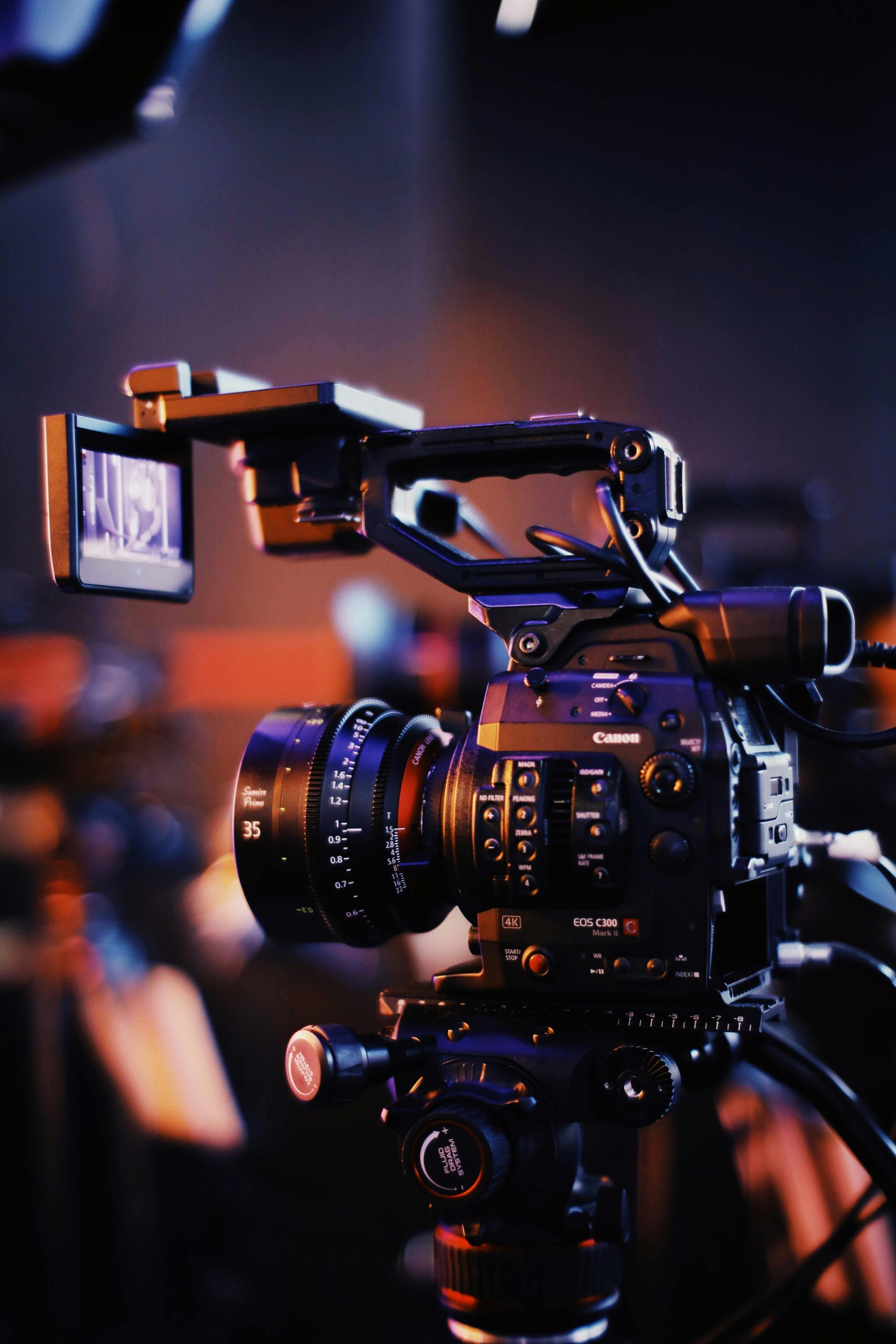
    Computer-generated imagery (CGI) allows the creation of fantastical worlds and characters impossible with traditional methods, expanding the imagination of filmmakers and audiences alike. Motion capture technology has enabled more lifelike and expressive animated performances, bridging the gap between live action and animation. Additionally, advances in camera equipment have made high-quality filmmaking more accessible to independent creators, diversifying the voices and stories entering the cinematic landscape.

    Distribution has also evolved dramatically. The rise of home video, DVDs, and now streaming platforms has transformed film consumption from a predominantly theatrical experience to one that is often personalized and on-demand. Streaming services have lowered barriers for global audiences to access a vast array of films, including international and independent productions that previously had limited reach. This shift has broadened the cultural exchange and introduced audiences to diverse storytelling traditions.

    Virtual reality (VR) and augmented reality (AR) are emerging frontiers in cinematic technology, offering immersive, interactive experiences that push the boundaries of traditional film narratives. Though still in early stages, these technologies suggest new ways for audiences to engage with stories, blending viewer agency with cinematic craft.

    Films as Cultural Mirrors and Agents of Change

    Films do not exist in a vacuum; they reflect, shape, and challenge the societies from which they emerge. Throughout history, cinema has served as a cultural mirror, revealing social values, fears, aspirations, and conflicts. Films have documented historical events, portrayed cultural myths, and explored social issues, often influencing public opinion and discourse. From early propaganda films to contemporary documentaries, cinema’s political and social impact is profound.

    Narratives on screen can reinforce or challenge stereotypes, shape identities, and contribute to collective memory. Hollywood, for much of the 20th century, dominated global cinema with its star system and genre conventions, often promoting particular visions of gender, race, and class. However, as voices from around the world and marginalized communities gained platforms, films began to diversify in subject matter and perspective. Independent cinema, international films, and socially conscious productions have broadened the scope of stories told, inviting viewers to reconsider entrenched beliefs and empathize with unfamiliar experiences.

    In recent years, movements for racial justice, gender equality, LGBTQ+ rights, and environmental sustainability have influenced film content and industry practices. Audiences demand greater representation both in front of and behind the camera, while filmmakers explore stories that engage with these issues thoughtfully and authentically. Films like Moonlight, Parasite, Roma, and Black Panther have not only achieved critical and commercial success but also sparked important conversations about diversity, power, and identity. Social media amplifies these dialogues, turning films into catalysts for cultural reflection and activism.

    The Shared Experience: Cinema as Communal and Personal Ritual

    One of cinema’s greatest powers lies in its ability to create shared experiences. Watching a film in a theater, surrounded by strangers yet united in attention, fosters a sense of community and collective emotion. The laughter, gasps, and silence become part of the film’s texture, enhancing immersion and impact. Even outside theaters, films often serve as social rituals—family movie nights, streaming parties, film festivals—that build bonds and cultural literacy.

    At the same time, film viewing is deeply personal. A favorite film can become a touchstone for identity, a source of comfort, or a means of exploring complex emotions. Rewatching a beloved movie can evoke nostalgia and reveal new layers of meaning with life experience. Films can mark moments in time—first love, loss, triumph—and become woven into personal histories.

    The interplay of communal and individual viewing highlights cinema’s unique role in culture. It connects people across differences while allowing intimate engagement with stories. This dual nature contributes to films’ enduring appeal, making them vital to both social life and inner reflection.

    Challenges and the Future of Cinema

    Despite its strengths, cinema faces challenges. The rise of digital media has fragmented audiences, with shorter content and interactive formats competing for attention. The COVID-19 pandemic accelerated changes in distribution and theater attendance, prompting questions about cinema’s future as a shared physical experience. Economic pressures also shape the kinds of films produced, often privileging franchises and guaranteed hits over risk-taking.

    Nevertheless, cinema’s adaptability is evident. Filmmakers and audiences experiment with new forms and platforms, from interactive narratives and web series to VR storytelling. Hybrid viewing experiences blend in-person and virtual elements, expanding access while preserving communal aspects. Efforts to diversify industry leadership and support independent voices continue to reshape the landscape.

    As technology evolves and social values shift, cinema will undoubtedly change. But its core—telling stories that move, challenge, and connect us—remains constant. The future of film lies in embracing innovation while honoring storytelling’s emotional and cultural power.

    Conclusion: Why Films Still Matter

    Films endure because they fulfill fundamental human needs: the need to tell and hear stories, to connect with others, to explore the complexities of life, and to find meaning in shared experiences. They engage mind and heart through a uniquely rich sensory language, inviting viewers into worlds of imagination and insight. Cinema is both a mirror and a window—reflecting who we are and opening doors to who we might become.

    In every era, films have shaped culture, challenged norms, and sparked dialogue. Today, amidst rapid technological and social change, cinema’s capacity to adapt and inspire remains undiminished. Films invite us to pause, reflect, and feel deeply—reminding us of our shared humanity and the enduring power of stories told through light and sound.

    As audiences, creators, and communities continue this cinematic journey together, films will keep illuminating the human experience—one frame at a time.
  • The Everlasting Allure of Film: How Movies Continue to Captivate, Challenge, and Connect Us

    The Everlasting Allure of Film: How Movies Continue to Captivate, Challenge, and Connect Us

    In a world where content floods every screen and attention spans are stretched thinner than ever, films remain a unique force—an art form that demands our focus, engages our emotions, and sparks our imagination. Movies are more than just entertainment; they are windows into human experience, mirrors reflecting society’s complexities, and catalysts for cultural conversation. The allure of film lies in its ability to combine storytelling, visual spectacle, music, and performance into a singular, immersive experience that resonates deeply with viewers. Whether it’s the thrill of a blockbuster, the subtlety of an indie drama, or the boldness of experimental cinema, films have an unmatched capacity to transport us beyond the confines of our daily lives. They offer moments of escape and introspection, joy and sorrow, humor and heartbreak—all condensed into a few hours that can change how we see the world. Despite the rise of digital distractions and bite-sized content, films continue to hold a special place because they offer something increasingly rare: the chance to slow down, to feel deeply, and to think critically within a shared cultural space.

    The landscape of filmmaking is rapidly evolving, driven by technological innovation and shifting audience expectations. The rise of streaming services has revolutionized how movies are distributed and consumed, breaking down barriers of geography and access. Viewers can now explore diverse genres and stories from around the world with unprecedented ease. This democratization has also paved the way for underrepresented voices and unconventional narratives to reach broader audiences, challenging the dominance of traditional Hollywood storytelling. Technology, too, is reshaping cinematic language. Advances in CGI, motion capture, and virtual reality allow filmmakers to craft worlds and experiences that were once unimaginable, while new narrative structures and interactive formats are redefining how stories can be told. Beyond the technical, there is a growing awareness of film’s social impact. Filmmakers and audiences alike are engaging more critically with issues of representation, ethics, and cultural responsibility. Films increasingly tackle urgent topics such as race, gender, identity, and climate change, not only reflecting societal shifts but often pushing the conversation forward. Through festivals, social media, and grassroots movements, films become platforms for activism and dialogue, proving that cinema is not just about telling stories, but about changing them.

    Ultimately, what makes film endure is its profound ability to connect people through shared stories. Movies invite us to walk in someone else’s shoes, to experience emotions and challenges far removed from our own, fostering empathy and understanding. They provide a collective language for expressing complex ideas and feelings, offering comfort, inspiration, and insight. In theaters or at home, alone or with others, watching a film is an act of communal engagement—an acknowledgment that despite our differences, we share fundamental human experiences. Films also hold memories—of the first movie that made us cry, a favorite character who became a friend, a story that shaped our worldview. These moments are deeply personal yet universally recognizable. They remind us that cinema is not just a business or a pastime, but a vital cultural force that shapes how we see ourselves and each other. As technology and society continue to change, films will undoubtedly transform in form and content, but their core power will remain: to captivate, challenge, and connect us across time and space, one story at a time.

  • Breaking the Frame: Why Art News Today Feels More Urgent Than Ever

    Breaking the Frame: Why Art News Today Feels More Urgent Than Ever

    Something is undeniably shifting in the art world, and you can feel it the moment you start reading the headlines. Art news no longer drifts quietly through museum press releases or auction reports reserved for insiders; it pulses with urgency, controversy, and relevance. From protests unfolding inside galleries to digital artworks selling for staggering sums, art has stepped firmly into the center of cultural conversation. Artists are no longer content to simply reflect the world from a distance—they are challenging it, questioning it, and sometimes provoking it outright. Museums, once seen as neutral spaces of preservation, now find themselves under intense scrutiny as audiences demand accountability, inclusivity, and transparency. Recent art news captures this tension vividly, revealing institutions wrestling with their pasts while trying to remain relevant in the present. Exhibitions increasingly foreground stories shaped by colonialism, migration, climate crisis, and identity, offering viewers not an escape from reality but a deeper engagement with it. Artists are mining personal and collective histories, using archives, memory, and lived experience as raw material. At the same time, there is a renewed appreciation for slowness and craft, as handmade processes and traditional techniques push back against a culture of instant consumption. Art news reflects a world where creativity is no longer treated as decoration or luxury, but as a vital form of inquiry—one that asks difficult questions about power, belonging, and responsibility. This heightened sense of relevance has transformed how art is discussed and consumed, making the news surrounding it feel less like niche reporting and more like a pulse check on society itself.

    Alongside these cultural reckonings, the art market continues to generate headlines that reveal both resilience and contradiction. On one hand, record-breaking sales and high-profile auctions still dominate news cycles, reinforcing the perception of art as a symbol of wealth and status. On the other, a quieter shift is taking place beneath the surface, as collectors, galleries, and artists reconsider what sustainability actually means. Art news increasingly points to a market moving away from relentless speculation toward more thoughtful engagement, where long-term artistic practice is valued over short-lived hype. There is growing interest in mid-career artists and historically overlooked figures, particularly women artists and artists from regions long excluded from Western market dominance. Digital platforms have permanently altered the mechanics of buying and selling, making art more accessible while also intensifying competition and visibility pressures. Online viewing rooms, social media discovery, and private digital sales have blurred the boundaries between public and private, local and global. At the same time, debates around artificial intelligence and generative tools have ignited some of the most contentious discussions in recent art news. Questions about authorship, originality, and creative labor now sit at the center of market conversations, as artists grapple with technologies that can both empower and undermine them. Some embrace these tools as collaborators or conceptual subjects, while others see them as threats to the integrity of artistic expression. Collectors and institutions are similarly divided, unsure how to value or preserve works that exist partly or entirely in digital form. Through these debates, art news exposes the market not as a detached economic machine, but as a reflection of broader anxieties about technology, value, and the future of human creativity.

    Beyond museums and markets, art news is increasingly focused on how art lives in public space and everyday experience, expanding the definition of where art belongs and who it serves. Public art projects, community-based practices, and socially engaged works now occupy a central place in cultural reporting, especially as cities and communities turn to art in moments of crisis and transformation. Murals responding to local histories, performances staged in streets and civic spaces, and collaborative projects developed with communities highlight art’s capacity to foster dialogue and collective reflection. Rather than offering simple solutions, these works create spaces where complex emotions—grief, anger, hope, and resilience—can coexist. Art news has also paid growing attention to education and access, documenting efforts to dismantle barriers that have long kept certain audiences at a distance. Artist-run spaces, grassroots initiatives, and alternative education models are gaining visibility for their role in nurturing creative ecosystems beyond traditional institutions. At the same time, art journalism itself is evolving, shaped by independent voices, digital platforms, and a demand for more diverse perspectives. Writers and critics are challenging established narratives, broadening the scope of what counts as art news and whose stories are told. This expanded landscape reflects an art world that is fragmented yet deeply interconnected, marked by tension but also by possibility. Art news today does not offer a single, polished narrative; instead, it documents an ongoing conversation about creativity, power, and meaning. In following it, readers are not just keeping up with exhibitions or sales—they are witnessing how art continues to shape, question, and reimagine the world we live in.