Author: Valery Durham

  • Pages That Pull You In: Why Books Still Win Our Attention in a World That Won’t Slow Down

    Pages That Pull You In: Why Books Still Win Our Attention in a World That Won’t Slow Down

    A book doesn’t shout to be noticed—it dares you to lean in. In a time when attention is fragmented into seconds and stories are reduced to captions, books remain stubbornly immersive, offering something rare and irresistible: the chance to disappear and return changed. There’s a distinct thrill in cracking open a new book, that moment when possibility hums before the first line even settles. Unlike fast content designed to be consumed and forgotten, books invite commitment, asking readers to invest time, curiosity, and emotional energy. That invitation is precisely what makes them powerful. Books are not passive entertainment; they are experiences that unfold gradually, rewarding patience with depth. Whether fiction or nonfiction, they offer space to think beyond surface-level reactions, to explore ideas fully formed rather than prematurely concluded. Books slow the world down without stopping it, giving readers permission to pause, reflect, and engage with complexity. This is why people continue to reach for books during moments of transition—new beginnings, periods of loss, times of uncertainty. Stories offer structure when life feels chaotic, perspective when emotions feel overwhelming, and companionship when silence grows heavy. Reading becomes both escape and engagement, allowing readers to step outside their own lives while understanding them more clearly. In a culture obsessed with immediacy, books quietly remind us that some of the most meaningful experiences take time to unfold.

    What sets books apart is their unmatched ability to deepen empathy and sharpen thought at the same time. Through characters, ideas, and narratives, books invite readers into minds unlike their own, creating emotional connections that linger long after the final page. Fiction allows readers to experience moral ambiguity, internal conflict, and emotional vulnerability without judgment, expanding their capacity to understand others. Nonfiction, meanwhile, provides context and clarity, transforming information into insight and facts into understanding. The best books do not tell readers what to think; they challenge them to think better. Reading strengthens focus and imagination, training the mind to hold ideas, follow arguments, and sit with unanswered questions. It also preserves voices across time, acting as a bridge between generations, cultures, and experiences. Books carry memory forward, documenting not only events, but the emotions and perspectives surrounding them. They resist simplification, honoring nuance in a world that often prefers certainty. This resistance is part of their cultural importance. Books encourage readers to stay with discomfort, to examine beliefs, and to refine opinions through reflection rather than impulse. Over time, reading shapes how people communicate, reason, and empathize, influencing not just what they know, but how they understand the world. In this way, books are not static objects but active forces, quietly shaping thought, conversation, and consciousness.

    Even as formats evolve, the essence of books remains unchanged: storytelling as a means of connection and meaning. Audiobooks transform listening into an intimate experience, echoing ancient oral traditions while fitting seamlessly into modern routines. Digital books expand access, allowing readers to carry entire libraries wherever they go. Yet physical books continue to thrive, valued not only for what they contain but for how they feel—dog-eared pages, marginal notes, worn spines that tell stories of their own. Books become personal artifacts, tied to moments in life when their words mattered most. Reading has also become more communal, with book clubs, online discussions, and shared recommendations turning solitary experiences into collective conversations. Readers today are more intentional about the stories they choose, seeking voices that reflect a wider range of experiences and perspectives. This shift has enriched literary culture, making it more inclusive, dynamic, and reflective of the world it seeks to describe. Despite constant predictions of decline, books endure because they fulfill a fundamental human need: the need to understand ourselves and others through story. They offer clarity without oversimplification, comfort without false reassurance, and imagination without limits. In a world that rarely stops moving, books remain places where thought can breathe and meaning can take shape. They do not rush readers toward conclusions; they invite them to linger, question, and return. As long as curiosity exists and stories matter, books will continue to pull us in—one page at a time.

  • Breaking Boundaries: The Medical Breakthroughs That Are Redefining the Future of Health

    Breaking Boundaries: The Medical Breakthroughs That Are Redefining the Future of Health

    Medical breakthroughs captivate our imagination because they represent hope—hope for longer lives, better treatments, and cures where none existed before. They remind us of the extraordinary potential of human ingenuity, perseverance, and scientific inquiry. From the discovery of penicillin to the recent revolutionary mRNA vaccines, medical breakthroughs have repeatedly rewritten what’s possible in healthcare, transforming diseases once considered death sentences into manageable conditions or even eradicated threats. In a world where health crises emerge with alarming regularity, and chronic diseases continue to challenge millions, these breakthroughs are not just scientific achievements—they are lifelines for millions of patients and families worldwide. This blog explores the fascinating and complex journey of medical breakthroughs, how they come about, their far-reaching impacts, and the promising innovations shaping the future of medicine.

    Medical breakthroughs often emerge from years, sometimes decades, of painstaking research. They begin with observation—a curious anomaly or a pattern noticed in clinical practice or laboratory settings. From there, researchers formulate hypotheses and design experiments to test these ideas systematically. This process can involve basic science—such as understanding molecular pathways or genetic mutations—as well as translational research, where lab findings are moved “from bench to bedside” in clinical trials. The road to a breakthrough is rarely linear. It requires iterative testing, refinement, and validation, often encountering setbacks and dead ends. Yet, the persistence of scientists and clinicians in the face of these challenges underscores the extraordinary commitment behind every major medical advance.

    One of the most iconic medical breakthroughs of the 20th century was the discovery of antibiotics, which revolutionized infectious disease treatment. Alexander Fleming’s serendipitous discovery of penicillin in 1928 eventually ushered in an era where bacterial infections—once a leading cause of death—became treatable and often curable. This breakthrough fundamentally shifted the landscape of medicine, enabling complex surgeries, chemotherapy, and intensive care that rely on infection control. Since then, antibiotic development expanded, but rising antibiotic resistance now threatens these gains, highlighting the ongoing need for innovation and stewardship.

    Vaccination stands as another pillar of medical breakthroughs, dramatically reducing the burden of infectious diseases. The development of vaccines for diseases like smallpox, polio, measles, and more recently COVID-19, exemplifies the power of preventative medicine. The rapid development and deployment of mRNA vaccines during the COVID-19 pandemic is a landmark achievement, showcasing how decades of genetic and molecular research converged into a nimble technology platform capable of responding swiftly to emergent pathogens. This breakthrough not only saved countless lives during a global crisis but also opened new avenues for vaccines against cancer, autoimmune diseases, and other infectious agents.

    Beyond infectious diseases, breakthroughs in medical imaging have transformed diagnostics and treatment planning. Technologies such as MRI, CT scans, and PET scans provide detailed, non-invasive views inside the human body, enabling early detection and precision interventions. These advances improve patient outcomes by guiding surgeries, monitoring disease progression, and tailoring treatments. The integration of artificial intelligence with imaging is now enhancing diagnostic accuracy and efficiency, representing the next frontier in medical innovation.

    Genetics and genomics have sparked a new era of personalized medicine—a profound medical breakthrough that tailors healthcare to the individual. The completion of the Human Genome Project in the early 2000s unlocked vast genetic information, paving the way for identifying genetic predispositions to diseases and developing targeted therapies. For example, targeted cancer treatments like HER2 inhibitors in breast cancer or CAR-T cell therapy for certain leukemias demonstrate how understanding genetic and molecular profiles leads to more effective, less toxic therapies. Gene editing technologies like CRISPR-Cas9 further amplify this potential, offering possibilities for correcting genetic disorders at their source, although ethical and technical challenges remain.

    Regenerative medicine and stem cell research hold transformative promise, another frontier of medical breakthroughs. These fields explore ways to repair or replace damaged tissues and organs, potentially curing conditions that currently require transplantation or lifelong management. Advances in growing organs in the lab, using stem cells to regenerate heart tissue after a heart attack, or repairing spinal cord injuries illustrate the visionary scope of this research. Although much of this work is still experimental, ongoing clinical trials are bringing regenerative therapies closer to routine clinical practice.

    The integration of digital technology and healthcare has sparked breakthrough innovations in diagnostics, monitoring, and patient care. Wearable devices that track vital signs in real-time, telemedicine platforms connecting patients with specialists regardless of geography, and AI-driven algorithms analyzing medical data represent a convergence of technology and medicine that expands access and improves outcomes. These digital health breakthroughs are particularly vital in managing chronic diseases like diabetes, heart disease, and mental health conditions, enabling proactive and personalized care outside traditional clinical settings.

    Despite the excitement, medical breakthroughs often bring new challenges. Translating research into affordable, accessible treatments remains a hurdle—especially in low-resource settings where the burden of disease is highest. Safety concerns, regulatory hurdles, and ethical considerations must be carefully navigated, particularly with gene editing and AI applications. Moreover, the complexity of human biology means that many diseases, especially neurodegenerative and autoimmune disorders, remain stubbornly resistant to current approaches. The path forward requires collaboration among scientists, clinicians, policymakers, industry, and patients to ensure that breakthroughs translate into real-world benefits equitably.

    Looking ahead, the future of medical breakthroughs is both thrilling and hopeful. Advances in systems biology and multi-omics approaches integrate vast datasets from genetics, proteomics, metabolomics, and microbiomics to provide holistic insights into health and disease. Artificial intelligence and machine learning promise to revolutionize drug discovery, diagnostics, and personalized treatment plans. Novel therapies, including nanomedicine, microbiome modulation, and synthetic biology, are expanding the therapeutic toolkit. Importantly, growing recognition of the social determinants of health and health equity is pushing breakthroughs beyond biology, fostering integrative approaches that address lifestyle, environment, and access barriers.

    In sum, medical breakthroughs are the lifeblood of modern healthcare. They embody the relentless human quest to understand, heal, and improve the conditions of life. Each breakthrough carries with it stories of perseverance, ingenuity, and hope—stories that inspire and remind us of the extraordinary potential within science and medicine. As we stand on the cusp of new frontiers, embracing interdisciplinary collaboration, ethical responsibility, and equitable access will be key to ensuring that these breakthroughs continue to transform lives globally. The journey of discovery continues, promising a future where diseases are conquered, health is personalized, and longevity and quality of life reach unprecedented heights.

  • MedTech Unleashed: How Medical Technology is Revolutionizing Healthcare and Shaping Our Future

    MedTech Unleashed: How Medical Technology is Revolutionizing Healthcare and Shaping Our Future

    In an age defined by rapid innovation, the healthcare industry is undergoing a profound transformation driven by advances in medical technology—commonly known as MedTech. This revolution is not just about new gadgets or software; it represents a fundamental shift in how we understand health, diagnose illness, treat patients, and manage wellness on a global scale. MedTech is pushing the boundaries of possibility, offering solutions once relegated to science fiction and fundamentally reshaping the doctor-patient relationship, healthcare delivery, and medical research. From wearable devices that monitor our every heartbeat to AI-powered diagnostics, robotic surgeries, and personalized medicine, the scope of MedTech is vast and ever-expanding. This blog offers a deep dive into the world of MedTech, charting its evolution, its current landscape, and the groundbreaking innovations that promise to redefine healthcare for decades to come.

    Medical technology is a broad umbrella term encompassing any device, application, or software that is designed to support medical practice and improve patient outcomes. Historically, this might have meant the stethoscope or the X-ray machine, tools that revolutionized medicine in their own time. Today, however, MedTech includes sophisticated digital tools, implantable devices, AI-driven software, robotic systems, and data analytics platforms that integrate seamlessly to deliver highly personalized, efficient, and precise care. The drivers of this transformation lie in several converging scientific fields—computer science, bioengineering, data science, and telecommunications—each contributing to the rapid pace of innovation that is reshaping every facet of healthcare.

    One of the most revolutionary shifts within MedTech is the rise of wearable health technology. Once simple step counters, wearable devices have become powerful health monitors that provide real-time data on heart rate variability, blood oxygen saturation, sleep quality, physical activity, and even stress levels. These devices offer patients unprecedented insight into their own health, fostering a shift from reactive to proactive care. For chronic diseases like diabetes, hypertension, and respiratory illnesses, continuous monitoring through wearables enables timely interventions that can prevent complications and hospitalizations. The integration of wearables with mobile apps and cloud-based platforms facilitates seamless communication between patients and healthcare providers, ensuring personalized treatment plans and improved adherence. Beyond individual users, these devices generate population-level data that can inform public health initiatives and epidemiological research, opening new frontiers in preventive medicine.

    Artificial intelligence has emerged as a transformative force within MedTech, dramatically enhancing diagnostic accuracy and operational efficiency. AI algorithms trained on vast medical datasets can detect patterns and anomalies in medical images, genetic data, and electronic health records that might escape human observation. Radiology has seen profound changes, with AI-powered image analysis aiding the detection of cancers, fractures, and neurological conditions with increasing precision. Pathology and dermatology also benefit from AI’s ability to analyze tissue samples and skin lesions quickly and accurately. Beyond diagnostics, AI optimizes clinical workflows, predicts patient deterioration, personalizes treatment regimens, and accelerates drug discovery through sophisticated modeling of molecular interactions. These capabilities not only improve patient outcomes but also reduce the burden on healthcare professionals, enabling them to focus more on patient care than on administrative tasks.

    Robotic-assisted surgery stands as another testament to the MedTech revolution. Surgical robots provide enhanced dexterity, precision, and visualization to surgeons performing complex, minimally invasive procedures. Systems like the da Vinci Surgical System have become commonplace in many surgical specialties, including urology, gynecology, and cardiothoracic surgery. These technologies reduce patient trauma, shorten hospital stays, and improve recovery times. Advances continue with the development of autonomous surgical robots, augmented reality overlays that assist surgeons in real-time, and remote robotic surgery that allows expert surgeons to operate on patients from afar. Such innovations are not only improving surgical outcomes but also expanding access to specialized procedures, particularly in remote or underserved regions, thereby democratizing healthcare.

    Imaging technology itself has undergone remarkable evolution, providing clinicians with ever more detailed and functional views of the body. High-resolution MRI, 3D ultrasound, PET-MRI hybrid scanners, and functional imaging techniques allow for earlier disease detection and more precise characterization of complex conditions. When coupled with AI, these imaging tools can guide personalized treatment plans and monitor therapy effectiveness with unprecedented detail. Portable and handheld imaging devices are expanding access to advanced diagnostics outside hospital settings, improving care in primary care clinics and rural areas. These innovations make it possible to diagnose and manage diseases earlier, often before symptoms manifest, shifting healthcare towards prevention and early intervention.

    Digital health and telemedicine, catapulted into the mainstream by the COVID-19 pandemic, represent yet another critical aspect of MedTech’s impact. Virtual consultations, remote patient monitoring, and digital therapeutics have transformed how healthcare is delivered, breaking down geographical barriers and reducing strain on traditional healthcare infrastructure. Telemedicine platforms allow patients to access specialists without the need for travel, improving convenience and adherence to treatment. Remote monitoring devices transmit real-time data on vital signs and symptoms, enabling clinicians to intervene promptly and adjust treatments dynamically. Digital health apps provide education, reminders, and behavioral support, playing a crucial role in managing chronic diseases and mental health conditions. As a result, healthcare is becoming more patient-centered, continuous, and data-driven.

    The development of implantable medical devices and bioelectronic medicine is pushing the boundaries of what’s medically achievable. Pacemakers and cochlear implants are well-established examples, but recent advances have introduced smart implants capable of monitoring physiological parameters, delivering drugs on demand, and modulating nerve signals to treat neurological and inflammatory conditions. Bioelectronic medicine explores the possibility of treating diseases through electrical modulation of the nervous system rather than pharmaceuticals, potentially reducing side effects and improving efficacy. Such devices hold promise for conditions like epilepsy, Parkinson’s disease, chronic pain, and autoimmune disorders. The integration of sensors, wireless communication, and miniaturization has led to increasingly sophisticated implants that can provide continuous data and personalized therapies, ushering in a new era of medical intervention.

    Big data and cloud computing technologies underpin many of these advances by enabling the collection, storage, and analysis of massive datasets generated by MedTech devices and healthcare systems. This data fuels research, informs clinical decision-making, and supports population health management. Precision medicine initiatives leverage these datasets to tailor treatments to individual genetic profiles and environmental exposures, improving efficacy and reducing adverse effects. Real-world evidence gathered from connected devices accelerates clinical trials by providing continuous patient monitoring and objective outcome measures. Furthermore, data analytics can predict disease outbreaks, optimize healthcare resources, and guide policy-making, transforming healthcare from reactive to predictive and preventive.

    Despite these remarkable advances, the MedTech revolution faces significant challenges. Regulatory frameworks must keep pace with rapidly evolving technologies while ensuring patient safety and efficacy. The high costs associated with advanced medical technologies can limit access and widen healthcare disparities, especially in low-resource settings. Ensuring interoperability among diverse devices and health information systems remains a major hurdle, impeding seamless data integration and coordination of care. Cybersecurity is a growing concern, as connected devices and digital health platforms are vulnerable to hacking and data breaches, threatening patient privacy and safety. Ethical considerations around data ownership, consent, and the role of AI in clinical decision-making require ongoing attention and transparent governance. Addressing these challenges requires collaboration among industry, regulators, clinicians, and patients to foster innovation that is safe, equitable, and patient-centered.

    Looking ahead, the future of MedTech is poised for even greater breakthroughs. Nanomedicine offers the potential for molecular-level diagnostics and targeted drug delivery, revolutionizing treatment efficacy and minimizing side effects. Advances in 3D bioprinting aim to create personalized tissues and organs for transplantation, addressing the critical shortage of donor organs. The integration of multi-omics data—combining genomics, proteomics, metabolomics, and microbiomics—with AI will deepen our understanding of complex diseases and support truly personalized healthcare. Quantum computing promises to accelerate drug discovery and complex biological modeling beyond current capabilities. Brain-computer interfaces and human-machine integration technologies are advancing toward restoring mobility and communication for individuals with severe disabilities, fundamentally enhancing quality of life.

    In conclusion, the MedTech revolution is fundamentally transforming healthcare, making it more precise, personalized, accessible, and efficient. It is enabling earlier diagnosis, less invasive treatments, improved management of chronic conditions, and greater patient empowerment. These technologies are driving efficiencies that reduce costs and expand access, while also presenting new ethical and practical challenges that must be thoughtfully addressed. As innovation continues to accelerate, MedTech holds the promise not only of extending life but of enhancing its quality for millions around the world. The future of medicine is being shaped by technology today, inviting us to imagine a world where healthcare is smarter, faster, and more compassionate—powered by the relentless spirit of innovation and the universal quest for better health.


  • Where Stories Breathe: How Books Shape Thought, Memory, and the Inner Life

    Where Stories Breathe: How Books Shape Thought, Memory, and the Inner Life

    There is a moment, familiar yet difficult to explain, when a reader realizes they are no longer simply reading a book but living inside it. The room fades, time loosens its grip, and the mind settles into a rhythm shaped by sentences rather than seconds. This is the quiet power of books: their ability to alter perception without spectacle. In a world crowded with voices demanding attention, books speak softly and ask for trust, rewarding those who listen with depth rather than noise. They do not rush to impress; they unfold. This slow unveiling is precisely what makes books enduring, even as technology reshapes nearly every other form of media. Books offer continuity in a fragmented age, a sense that ideas can be explored fully rather than compressed into fragments. They allow readers to sit with complexity, contradiction, and uncertainty without pressure to resolve them immediately. From the earliest myths passed down through generations to contemporary novels grappling with modern identity, books have always served as vessels for meaning. They hold questions open rather than closing them, inviting readers to participate in the act of interpretation. This participation is deeply personal, shaped by memory, emotion, and experience, which is why the same book can feel entirely different to different readers—or to the same reader at different stages of life. Books grow with us, reflecting who we are while quietly influencing who we become. They create private spaces for thought, where curiosity can expand without interruption and imagination can roam freely. In choosing to read, people are not escaping reality; they are engaging with it in a more deliberate and intimate way.

    Books also function as bridges—between cultures, generations, and inner worlds that might otherwise remain inaccessible. Through stories, readers encounter lives shaped by circumstances far removed from their own, yet bound by recognizable emotions: love, fear, ambition, regret, hope. Fiction transforms unfamiliar experiences into shared emotional ground, allowing readers to understand not just what others endure, but how it feels to endure it. Nonfiction extends this bridge-building in a different direction, offering insight into history, science, philosophy, and lived experience with depth and nuance. The most compelling nonfiction books do more than inform; they contextualize knowledge, connecting facts to meaning and data to human consequence. Books preserve voices that might otherwise be lost, particularly those excluded from dominant narratives, ensuring that history is not written by a single perspective. They act as archives of thought, carrying ideas across time and place, allowing conversations to continue long after their original contexts have changed. Reading, in this sense, is an act of listening across distance and difference. It trains patience and empathy, encouraging readers to remain with ideas even when they are uncomfortable or challenging. This is one reason books play such a vital role in education and self-discovery: they teach how to think, not what to think. They invite readers to question assumptions, test beliefs, and refine understanding through sustained engagement. Unlike faster forms of media, books do not dictate interpretation through images or sound; they leave space for ambiguity, trusting readers to fill in the gaps. This trust fosters independence of thought and emotional intelligence, qualities increasingly valuable in a world shaped by polarized opinions and instant reactions. Books remind us that understanding is not immediate, and that meaning often emerges through reflection rather than reaction.

    As books continue to evolve, their relevance is not diminished but expanded. New formats have broadened how people encounter stories, making reading more accessible and adaptable to different lives. Audiobooks reintroduce the pleasure of listening, transforming ordinary moments into opportunities for immersion and reflection. Digital books increase portability and access, ensuring that geography or physical space no longer limits what or how much one can read. Yet physical books persist, not out of nostalgia alone, but because they offer a sensory experience that deepens connection. The weight of a book, the texture of its pages, the visible progress marked by a narrowing stack of unread paper—all contribute to a sense of presence and accomplishment. Books often become personal artifacts, carrying emotional residue from the moments in which they were read. They sit on shelves as quiet witnesses to change, marking phases of curiosity, struggle, or growth. The culture surrounding books has also transformed, becoming more communal without losing intimacy. Reading is no longer confined to solitude; it sparks conversations in book clubs, classrooms, online spaces, and informal exchanges between friends. Recommendations travel quickly, amplifying voices and stories that resonate across borders. At the same time, reading remains a deeply individual act, shaped by pace, preference, and mood. This balance between solitude and connection is part of what makes books unique. They allow readers to be alone without feeling isolated, engaged without being overwhelmed. In a world increasingly driven by speed and surface-level engagement, books offer a different kind of value—one rooted in time, attention, and care. They do not promise answers, but they offer companionship in the search for them. As long as people seek to understand themselves and others more fully, books will continue to matter, not as static objects, but as living spaces where thought can unfold, imagination can stretch, and the inner life can deepen, one page at a time.

  • Beyond the Screen: How Films Continue to Shape Culture, Inspire Change, and Connect Us All

    Beyond the Screen: How Films Continue to Shape Culture, Inspire Change, and Connect Us All

    Films are much more than moving images and scripted dialogues; they are powerful cultural artifacts that reflect who we are, who we aspire to be, and the world we inhabit. In today’s rapidly evolving media landscape, films remain one of the most potent forms of storytelling, offering not just entertainment but deep engagement with social issues, personal identity, and collective memory. From the golden age of cinema to the era of streaming platforms, films have continuously adapted, expanding their reach and influence. What sets cinema apart in our digital age is its unique ability to combine sight, sound, and narrative into an immersive experience that captivates viewers emotionally and intellectually. When we watch a film, we do more than passively absorb a story—we enter a shared space where empathy is cultivated, ideas are challenged, and emotions are stirred. Films invite us to step into other lives and realities, bridging gaps of culture, language, and experience. This immersive quality is why films have remained central to cultural dialogue across generations, shaping how societies see themselves and the issues they face.

    The modern film industry is in the midst of a transformative moment, driven by technological advances, changing audience habits, and a growing push for diversity and representation. Streaming platforms have revolutionized access to films, allowing viewers around the world to explore stories that were once limited to select theaters or geographic regions. This shift has empowered filmmakers from marginalized communities to tell their stories with greater authenticity and reach, expanding the cinematic canon to include voices historically sidelined by mainstream studios. Moreover, new technologies such as virtual reality, augmented reality, and sophisticated CGI continue to push the boundaries of cinematic storytelling, creating experiences that blur the line between viewer and participant. These innovations are not only enhancing the spectacle of cinema but also opening up new ways to explore narrative complexity and emotional depth. Alongside technological evolution, there is a growing consciousness within the industry about the social impact of films. Audiences are demanding stories that reflect real-world issues—whether it’s racial justice, gender equality, climate change, or mental health—and filmmakers are responding with works that provoke discussion and inspire action. Film festivals, social media conversations, and online communities have become crucial spaces where movies are dissected and debated, turning passive viewing into active engagement. This vibrant ecosystem keeps cinema relevant and vital, allowing it to remain a mirror to society and a catalyst for change.

    At its core, the power of film lies in its ability to connect us through story, evoking universal emotions and experiences that transcend boundaries. A great film resonates because it captures something deeply human—our hopes, fears, contradictions, and aspirations—in a way that feels both personal and collective. Films provide moments of escape but also opportunities for reflection, challenging viewers to reconsider their beliefs and empathize with perspectives different from their own. They can celebrate joy and resilience or confront uncomfortable truths, often within the same frame. The shared experience of watching a film, whether in a crowded theater or from the comfort of home, creates a sense of community, reminding us that storytelling is an essential part of human connection. In an increasingly fragmented world, films offer a space where complexity is embraced and diversity of experience is celebrated. They do not just entertain; they educate, provoke, and inspire. This enduring relevance ensures that cinema will continue to evolve and flourish, reflecting the changing dynamics of society while reminding us of our shared humanity—one frame at a time.

  • MedTech Revolution: How Cutting-Edge Technology is Redefining Healthcare and Saving Lives

    MedTech Revolution: How Cutting-Edge Technology is Redefining Healthcare and Saving Lives

    In the rapidly evolving landscape of healthcare, one force is reshaping the way we diagnose, treat, and manage health like never before—medical technology, or MedTech. This powerful intersection of medicine and technology is not just an incremental improvement; it’s a full-scale revolution that’s transforming the entire healthcare ecosystem. From wearable devices that continuously monitor vital signs to AI-powered diagnostic tools and robotic-assisted surgeries, MedTech innovations are enhancing precision, accessibility, and efficiency in healthcare delivery. These advancements are saving lives, reducing costs, and empowering patients in unprecedented ways. As we stand at this thrilling frontier, understanding the breadth, depth, and implications of the MedTech revolution is essential. This blog delves deeply into the world of MedTech, exploring its key innovations, impact on healthcare, challenges, and the exciting future it promises.

    Medical technology, broadly defined, encompasses an extensive range of tools, devices, software, and systems used to support healthcare services. Historically, MedTech began with relatively simple instruments—stethoscopes, thermometers, X-rays—that revolutionized clinical practice in their time. Today, it includes sophisticated digital platforms, implantable devices, robotic systems, and data analytics engines that operate in tandem to deliver personalized, real-time health solutions. This rapid expansion has been driven by advances in fields such as materials science, computing power, data science, and telecommunications, all converging to push the boundaries of what’s medically possible.

    One of the most visible and impactful areas of MedTech innovation is wearable health technology. Devices like smartwatches and fitness trackers have evolved far beyond counting steps or calories. Modern wearables can continuously monitor heart rate, blood oxygen levels, sleep patterns, and even detect irregular heart rhythms such as atrial fibrillation. These devices empower individuals to take control of their health by providing actionable insights and alerts that can prompt timely medical interventions. For chronic disease management, wearables integrated with mobile apps enable real-time tracking of conditions such as diabetes, hypertension, and respiratory illnesses, facilitating proactive care and reducing hospitalizations. Moreover, wearable biosensors are being developed to monitor biochemical markers, expanding possibilities for early disease detection and personalized treatment.

    Artificial intelligence (AI) and machine learning have become foundational pillars in the MedTech revolution. AI-powered diagnostic tools analyze vast datasets from medical imaging, genetics, electronic health records, and patient-reported data to identify patterns and make predictions with remarkable accuracy. Radiology has seen significant transformation, with AI algorithms assisting in detecting cancers, fractures, and other abnormalities faster and sometimes more accurately than human radiologists. Pathology and dermatology are similarly benefiting from AI’s ability to analyze tissue samples and skin lesions. Beyond diagnostics, AI is optimizing clinical workflows, predicting patient deterioration, personalizing treatment plans, and even accelerating drug discovery by modeling molecular interactions. These capabilities increase efficiency, reduce human error, and enhance the quality of care.

    Robotic-assisted surgery represents another groundbreaking facet of MedTech. Surgical robots provide surgeons with enhanced precision, flexibility, and control through minimally invasive procedures. Systems like the da Vinci Surgical System have become standard in many hospitals for procedures ranging from prostatectomies to cardiac surgeries. These technologies reduce patient trauma, shorten recovery times, and improve surgical outcomes. Innovations continue with the development of autonomous surgical robots, augmented reality-assisted surgery, and remote robotic surgery, where expert surgeons can operate on patients thousands of miles away. This technology not only elevates surgical performance but also democratizes access to specialized procedures, especially in underserved or remote areas.

    Medical imaging technologies have also advanced rapidly, providing clearer, faster, and more comprehensive views inside the body. Innovations such as high-resolution MRI, 3D ultrasound, functional imaging, and PET-MRI hybrid systems enable earlier detection and more precise characterization of diseases. Coupled with AI, these tools assist clinicians in making accurate diagnoses, planning treatments, and monitoring disease progression. Portable and handheld imaging devices are making diagnostic imaging accessible in primary care and low-resource settings, expanding the reach of advanced medical assessment worldwide.

    Digital health platforms and telemedicine have been thrust into the spotlight, especially during the COVID-19 pandemic. These technologies facilitate remote consultations, continuous patient monitoring, and digital therapeutics, breaking down geographical and logistical barriers to care. Virtual care models are transforming chronic disease management, mental health support, and post-acute care, improving patient engagement and outcomes while reducing costs. Integration of electronic health records with patient portals and mobile health apps creates seamless data flow and empowers patients with their health information, fostering shared decision-making.

    Another exciting dimension of MedTech is the development of implantable devices and bioelectronics. Pacemakers, cochlear implants, and neurostimulators have long demonstrated how devices can restore or enhance physiological functions. Recent advances have led to smart implants that can monitor physiological parameters, deliver drugs on demand, or modulate nerve signals to treat conditions such as epilepsy, Parkinson’s disease, and chronic pain. Research into bioelectronic medicine explores harnessing the nervous system to treat inflammatory diseases, opening avenues for non-pharmacological therapies with fewer side effects.

    The integration of big data and cloud computing is revolutionizing healthcare analytics and research. The vast amounts of data generated by MedTech devices, clinical trials, and population health studies can be aggregated and analyzed to identify trends, improve clinical guidelines, and enable predictive modeling. Precision medicine, which tailors treatments based on individual genetic and environmental factors, relies heavily on these capabilities. Moreover, real-world data from MedTech devices can accelerate clinical trials by providing continuous, objective patient monitoring and outcome measures.

    Despite its enormous potential, the MedTech revolution faces several challenges. Regulatory pathways must balance rapid innovation with patient safety and efficacy validation. The high costs of advanced medical technologies can limit access and exacerbate healthcare disparities. Interoperability issues among devices and health information systems complicate data sharing and integration. Cybersecurity concerns are paramount, as connected devices and digital health platforms can be vulnerable to hacking, threatening patient privacy and safety. Ethical questions arise around data ownership, consent, and the implications of AI decision-making in clinical care. Addressing these challenges requires coordinated efforts from industry, regulators, clinicians, and patients.

    The future of MedTech is poised to be even more transformative. Emerging technologies such as nanomedicine promise targeted drug delivery and molecular-level diagnostics. Advances in 3D bioprinting aim to create personalized tissues and organs for transplantation. The convergence of genomics, proteomics, and metabolomics with AI will deepen understanding of complex diseases and enable truly personalized healthcare. Quantum computing holds potential for accelerating drug discovery and complex biological modeling. Moreover, human-machine interfaces and brain-computer technologies are advancing toward restoring mobility and communication for individuals with severe disabilities.

    In conclusion, the MedTech revolution is fundamentally altering the landscape of healthcare. It is enabling earlier diagnosis, more effective and less invasive treatments, personalized care, and greater patient empowerment. These technologies are driving efficiencies that reduce costs and expand access, while also presenting new ethical and practical challenges that must be thoughtfully addressed. As MedTech continues to evolve at a breathtaking pace, it holds the promise of not only extending lives but enhancing the quality of life for millions worldwide. The future of medicine is here, powered by technology, and it invites us all to imagine what’s possible when innovation and compassion unite to transform health.

  • Beyond the Cover: Why Books Remain Our Greatest Companions in a Fast-Paced World

    Beyond the Cover: Why Books Remain Our Greatest Companions in a Fast-Paced World

    In a world dominated by fleeting digital moments and endless streams of information, books stand apart as timeless sanctuaries of focus, imagination, and reflection. There’s something almost revolutionary about sitting down with a book today—it’s a deliberate act of slowing down, of choosing depth over distraction. Unlike social media posts that vanish in seconds or news cycles that overwhelm, books offer readers a chance to immerse themselves fully in another world or a complex idea, without interruption or pressure. This immersive quality makes books powerful tools for connection, allowing us to explore emotions, perspectives, and histories far beyond our immediate experience. Whether it’s a gripping novel that transports us to distant times and places, a memoir that reveals the vulnerability of the human spirit, or a nonfiction work that reshapes how we understand the world, books demand our attention in a way few other mediums do. This focused engagement nurtures empathy, broadens horizons, and sharpens critical thinking, making reading not just a pastime but a profound experience. More than ever, books remind us that some stories—and some truths—require patience and presence to unfold, and that the rewards of this patience are rich and lasting.

    Books also serve as essential bridges between cultures, generations, and individual lives. Through the pages of a book, we can enter lives vastly different from our own, developing a deeper understanding of experiences shaped by geography, history, and identity. Fiction, in particular, has the unique ability to humanize abstract issues, transforming statistics or headlines into intimate stories that resonate emotionally. Nonfiction, meanwhile, equips us with knowledge and context, challenging us to reconsider assumptions and see familiar issues through new lenses. Importantly, books preserve voices that might otherwise be lost to time or overlooked by mainstream narratives, offering a platform for marginalized perspectives and untold histories. The act of reading is an intimate dialogue between author and reader, shaped by the reader’s own experiences and reflections. This dynamic interaction ensures that books remain living, evolving entities, capable of speaking differently to each reader and at different moments in a person’s life. Through this, books foster not only understanding of the world but also self-awareness, encouraging readers to question, grow, and connect. In an era of rapid change and information overload, books provide a much-needed anchor—a way to slow down and engage deeply with ideas and stories that shape our shared humanity.

    The endurance of books is also a story of adaptation and resilience. Far from being relics of the past, books have embraced new forms and technologies that expand how stories reach readers. Audiobooks have transformed listening into a modern storytelling tradition, perfect for multitasking and busy lives. E-books and digital platforms have broken down barriers of access, making literature available to more people across the globe. Yet physical books remain deeply cherished for their tactile presence and the personal history they accumulate over time—the smell of the pages, the weight in your hands, the worn edges from rereading favorite passages. Bookshelves tell stories of their own, marking phases of curiosity, passion, and growth. Moreover, reading communities both online and offline continue to flourish, turning what was once a solitary act into a shared cultural experience. Readers today actively seek out diverse voices, pushing publishers and authors to expand the literary landscape and reflect a broader spectrum of human experience. This evolving relationship with books demonstrates their fundamental role in how we process and communicate our world. Ultimately, books endure because they fulfill a basic human desire: the need to find meaning through story. They offer spaces where thought can slow, where imagination can expand, and where connection can deepen. In a noisy, fast-moving world, books remain steady companions—inviting us to pause, reflect, and discover ourselves anew, one page at a time.

  • Creativity, Markets, and Meaning in Contemporary Culture

    Creativity, Markets, and Meaning in Contemporary Culture

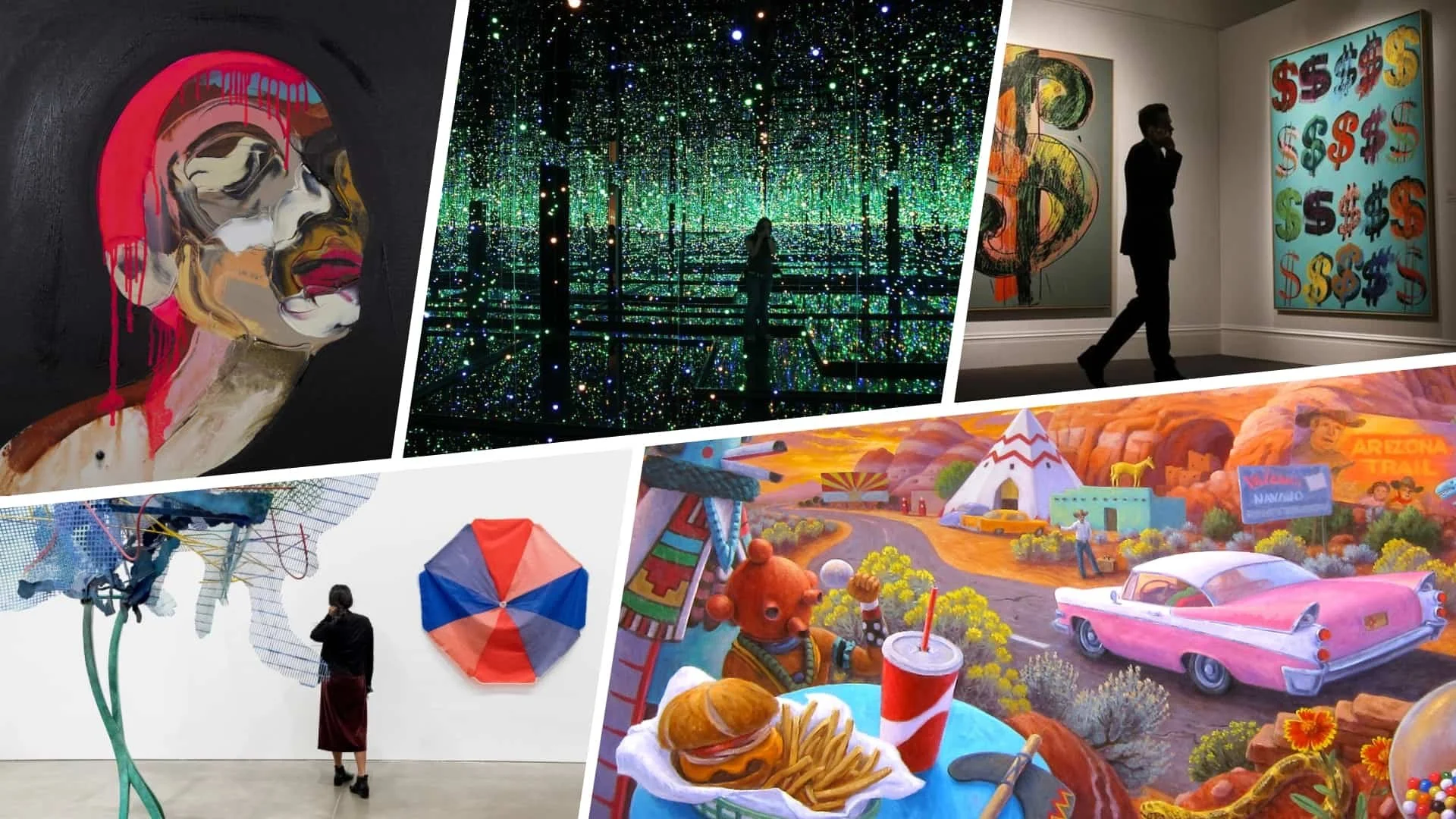
    The landscape of art news today reflects a world in motion, shaped by social change, technological acceleration, and evolving ideas about what art is and who it is for. Across museums, galleries, biennials, and digital platforms, the art world is grappling with questions of relevance, access, and responsibility, while artists continue to respond to global realities with urgency and imagination. Recent exhibitions and critical conversations reveal a strong turn toward storytelling rooted in identity, memory, and place. Artists from historically marginalized communities are increasingly centered not as trends but as essential voices reshaping the canon, prompting institutions to revisit their collections, curatorial practices, and leadership structures. At the same time, major museums are navigating financial pressures, repatriation debates, and public scrutiny, leading to high-profile resignations, rehangs of permanent collections, and renewed emphasis on transparency. Art news has become less about isolated masterpieces and more about systems: who funds art, who interprets it, and who gets to see themselves reflected in it. This shift is also visible in the growing prominence of socially engaged art, where the line between artistic practice and activism is intentionally blurred. From climate-focused installations that use data and organic materials to community-based projects addressing housing, migration, and labor, artists are expanding the definition of artistic impact. Art criticism and journalism have followed suit, moving beyond formal analysis to consider ethics, power, and context, making art news a vital lens through which broader cultural conversations are examined.

    Parallel to these cultural shifts, the art market continues to make headlines, often in ways that contrast sharply with the slower, more reflective rhythms of artistic practice. Auction houses report fluctuating sales, with blue-chip artists maintaining strong prices while speculative bubbles around emerging names show signs of cooling. Collectors are becoming more cautious, favoring depth over hype, provenance over novelty, and long-term cultural value over quick returns. Yet even amid market uncertainty, new players are reshaping how art is bought and sold. Online viewing rooms, private digital sales, and blockchain-based registries have become normalized, expanding global access while raising questions about exclusivity and trust. The once-dominant narrative of the art fair as the central marketplace is evolving, as rising costs and environmental concerns push galleries to rethink participation and explore alternative models. Meanwhile, debates around NFTs and AI-generated art continue to surface in art news, no longer framed as futuristic curiosities but as present realities with legal, philosophical, and aesthetic implications. Artists are both embracing and resisting these technologies, using them to critique authorship, originality, and labor in an age of automation. Institutions, in turn, are challenged to collect, preserve, and exhibit works that may exist partly or entirely in digital form. These developments underscore a broader tension at the heart of contemporary art news: the balance between innovation and preservation, speed and contemplation, market forces and artistic integrity.

    Beyond institutions and markets, art news increasingly highlights the everyday ways art intersects with public life, shaping how communities experience beauty, history, and dialogue. Public art projects, once treated as peripheral, now command significant attention as cities invest in murals, sculptures, and performances that reflect local narratives and invite participation. In times of political polarization and social uncertainty, art has emerged as a space for shared reflection, offering not answers but moments of connection and questioning. Education initiatives, artist residencies, and grassroots spaces are gaining visibility for their role in nurturing creative ecosystems outside traditional power centers. Art journalism itself is evolving, with more voices entering the conversation through independent platforms, newsletters, podcasts, and social media, challenging established gatekeepers and diversifying perspectives. This democratization has not come without challenges, as writers and artists alike contend with sustainability, visibility, and the pressures of constant content production. Still, the expanding scope of art news suggests a field that is alive, contested, and deeply intertwined with the world it seeks to interpret. Rather than signaling a crisis, the current moment points to transformation, where art is not retreating into obscurity but actively renegotiating its place in society. In following art news today, readers are not merely tracking exhibitions or sales; they are witnessing an ongoing conversation about creativity, value, and meaning in a rapidly changing world.

  • Unveiling Truths: The Remarkable Journey and Power of Research Studies in Shaping Our World

    Unveiling Truths: The Remarkable Journey and Power of Research Studies in Shaping Our World

    In a world overflowing with information, distinguishing fact from fiction has become an increasingly complex task. Yet, at the heart of every major breakthrough, every shift in societal norms, and every leap in human understanding lies the meticulous, often painstaking work of research studies. These studies are the unsung heroes behind the scenes—methodical investigations that turn curiosity into knowledge, hypotheses into evidence, and ideas into innovations that transform lives. Whether unraveling the mysteries of the human genome, decoding social behaviors, or crafting solutions to environmental crises, research studies serve as the invisible engine driving progress. Their profound influence touches every facet of modern existence—medicine, technology, psychology, economics, and beyond. This blog embarks on an in-depth exploration of research studies, revealing how they work, why they matter, the challenges they face, and the extraordinary ways they shape the past, present, and future of our world.

    At its core, a research study is an organized and systematic effort to answer a specific question or test a hypothesis. It is a disciplined inquiry designed to gather reliable, valid, and objective data that can illuminate truths otherwise obscured by assumptions, biases, or incomplete information. The hallmark of such studies is their rigorous methodology—carefully crafted plans that specify how participants or subjects will be selected, what data will be collected, how variables will be controlled or observed, and which analytical tools will be used. This structure distinguishes true scientific research from anecdotal observations or opinions. Every phase, from conception through execution and analysis, demands precision and transparency to ensure the study’s findings are credible and replicable. This replicability—the ability of other researchers to independently verify results—is the bedrock of trust in scientific knowledge. It is what separates fleeting claims from lasting insights.

    The diversity of research methodologies is staggering, reflecting the vast complexity of the questions posed by different fields. Experimental studies, for example, are designed to establish cause-and-effect relationships by manipulating variables and observing outcomes under controlled conditions. These are the gold standard in clinical trials testing new medications or psychological interventions. Observational studies, on the other hand, monitor phenomena as they naturally occur, providing vital insights when controlled experiments are impossible or unethical. Such designs are common in epidemiology and environmental research, where researchers analyze patterns and associations across populations or ecosystems. Qualitative research delves into subjective experiences, motivations, and social contexts using interviews, focus groups, or textual analysis, offering rich, nuanced understanding that numbers alone cannot capture. Increasingly, mixed-methods approaches combine quantitative data with qualitative insights to build a holistic view of complex phenomena. This methodological pluralism equips research to address questions as varied as the microscopic effects of a drug, the societal impacts of policy, or the cultural meaning of rituals.

    Ethics stand as a cornerstone of all research studies, particularly those involving human or animal subjects. History is replete with cautionary tales of unethical experimentation—from the Tuskegee syphilis study to Nazi medical atrocities—that underscore the importance of ethical oversight. Today, institutional review boards (IRBs) and ethics committees rigorously evaluate research proposals to protect participants’ rights, welfare, and dignity. Informed consent is a fundamental principle, ensuring participants understand the study’s purpose, procedures, risks, and benefits before agreeing to join. Confidentiality safeguards personal information, while protocols minimize harm and distress. Ethical research also mandates honesty and transparency in reporting, preventing fabrication, falsification, or selective publication of results. These safeguards not only protect individuals but also preserve public trust in research, a vital currency for the continued support and relevance of scientific inquiry.

    The transformative power of research studies is perhaps most evident in the realm of medicine and public health. Clinical trials have revolutionized healthcare, turning previously fatal diseases into manageable or even eradicated conditions. The development of vaccines, antibiotics, chemotherapy, and surgical techniques all rest on the foundation of rigorous research. Epidemiological studies chart the spread of diseases, identify risk factors, and inform preventive strategies that save millions of lives globally. Behavioral research enhances understanding of mental health, addiction, and developmental disorders, guiding effective therapies and public health campaigns. For example, landmark studies linking smoking to lung cancer not only reshaped medical practice but also catalyzed social and policy changes worldwide. The continuous evolution of medical research now embraces personalized medicine, tailoring treatments to genetic and environmental profiles unique to each individual, promising more effective and less harmful interventions.

    Beyond medicine, research studies are indispensable in tackling pressing global challenges. Environmental research measures and analyzes climate change, pollution, biodiversity loss, and sustainable resource use, providing the empirical basis for international agreements like the Paris Accord. Social sciences deploy surveys, ethnographies, and statistical analyses to unravel the complexities of human behavior, economic disparities, migration patterns, and governance. These insights inform policies that aim to reduce poverty, promote education, foster social cohesion, and uphold human rights. Technological innovation—spanning artificial intelligence, renewable energy, and space exploration—relies heavily on research to assess feasibility, optimize designs, and anticipate societal impact. In every domain, research acts as both mirror and compass, reflecting current realities while guiding future actions. It equips societies to make evidence-based decisions, confront uncertainties, and innovate responsibly.

    Despite their pivotal role, research studies face significant challenges and controversies. The pressure to publish novel and positive results has led to publication bias, where negative or inconclusive findings remain unpublished, skewing the scientific record. The replication crisis—highlighted in fields like psychology and biomedical sciences—reveals that many influential studies cannot be reliably reproduced, prompting calls for methodological reform and greater transparency. Funding disparities often favor well-established topics or institutions, marginalizing emerging fields and voices from underrepresented communities. Ethical quandaries persist around emerging technologies such as gene editing, AI, and data privacy, requiring ongoing societal dialogue and regulatory frameworks. Moreover, communicating complex research findings in accessible and accurate ways remains a challenge, particularly in an age rife with misinformation and skepticism. Bridging the gap between researchers, policymakers, and the public is essential for maximizing the benefits of research and ensuring informed decision-making.

    In response to these challenges, the research community is embracing innovation not only in methodologies but also in culture and collaboration. Open science initiatives promote transparency by encouraging data sharing, preregistration of studies, and publication of all results, regardless of outcome. Interdisciplinary research breaks down silos, blending expertise to tackle multifaceted problems more effectively. Citizen science projects engage laypeople in data collection and analysis, democratizing research and increasing public investment in scientific endeavors. Advances in computational power and big data analytics open new frontiers, enabling researchers to handle complex, large-scale datasets and uncover patterns invisible to traditional methods. These developments foster a more inclusive, dynamic, and responsive research ecosystem, poised to meet the complexities of the 21st century.

    Looking forward, research studies will continue to be indispensable as humanity faces unprecedented challenges and opportunities. Climate change mitigation and adaptation, pandemic preparedness, social justice advancement, and ethical deployment of emerging technologies all demand evidence-based solutions grounded in rigorous inquiry. Investing in robust research infrastructures, fostering global collaboration, and training future generations of researchers are critical priorities. Moreover, cultivating scientific literacy and public engagement ensures that research findings translate into informed policies and practices that benefit all. The quest for knowledge is a continuous journey, fueled by curiosity, creativity, and a commitment to truth. Research studies stand at the forefront of this journey, bridging the known and the unknown, and lighting the path toward a more enlightened and equitable future.

    In essence, research studies are far more than academic endeavors—they are the lifeblood of human progress. They transform questions into answers, possibilities into realities, and curiosity into impact. Every innovation, every policy improvement, every new understanding traces back to the disciplined, ethical, and persistent efforts of researchers dedicated to uncovering truth. As we navigate a world of rapid change and complex challenges, recognizing and supporting the vital role of research studies becomes not just an intellectual imperative but a societal necessity. Because through research, we do not just observe the world—we shape it, improve it, and prepare it for generations to come.

  • Cinema Unbound: The Transformative Power of Films in a Changing World

    Cinema Unbound: The Transformative Power of Films in a Changing World

    From flickering shadows on cave walls to the dazzling spectacles of today’s multiplexes, films have always been a powerful medium of storytelling—one that transcends language, culture, and time. In an age where content floods every device and attention spans are fractured by rapid-fire media, the enduring appeal of cinema may seem surprising. Yet, films continue to captivate millions, not simply because they entertain, but because they offer immersive experiences that connect us to deeper human truths. Films transport us to worlds both imagined and real, invite us to inhabit perspectives unlike our own, and challenge us to confront emotions and ideas that shape our understanding of the world and ourselves. This expansive art form, which combines narrative, visual artistry, music, and performance, remains uniquely positioned to evoke empathy, provoke thought, and inspire change. As technology reshapes how films are made and consumed, and society demands greater representation and authenticity, cinema is undergoing a profound transformation—one that reaffirms its central role in culture and communication.

    At the heart of cinema’s power is its ability to tell stories visually and viscerally, creating emotional resonance through a fusion of image, sound, and performance. Unlike any other medium, films engage multiple senses simultaneously, crafting atmospheres that envelop viewers and transport them beyond their immediate surroundings. This sensory immersion deepens emotional impact, allowing audiences to feel joy, sorrow, fear, or hope alongside characters whose lives might be vastly different from their own. The collaborative nature of filmmaking—uniting directors, actors, cinematographers, composers, editors, and countless others—results in works that are rich tapestries of creative expression. Whether through the haunting stillness of a single frame or the adrenaline of a high-speed chase, films manipulate pacing, lighting, color, and sound to evoke complex moods and ideas. This artistry is why cinema has the ability to articulate the ineffable—to give shape to emotions and experiences that might otherwise remain inarticulate. Great films linger in memory not just for their stories, but for the moods they conjure and the insights they provoke. They offer moments of transcendence, allowing viewers to see the world anew or understand themselves more fully.

    The democratization of film through digital technology and streaming platforms has broadened both the scope of storytelling and the audience’s access. Today, filmmakers from diverse backgrounds and regions can reach global audiences without relying solely on traditional studios or distributors. This shift has led to a flourishing of voices previously marginalized or ignored, enriching the cinematic landscape with stories that challenge dominant narratives and explore new perspectives. Independent and international films that once struggled to find theatrical release now find vibrant communities online, fostering cross-cultural dialogue and appreciation. Moreover, technology has expanded the creative toolkit, with innovations such as virtual reality, motion capture, and sophisticated visual effects enabling filmmakers to push the boundaries of imagination. These advances allow for new kinds of storytelling that blend reality and fantasy, interactive narratives, and immersive experiences that invite audience participation. At the same time, social movements and changing cultural values have heightened awareness about representation, equity, and ethical storytelling. Audiences increasingly expect films to address issues of race, gender, sexuality, and environmental responsibility with nuance and authenticity. This has led to more inclusive casts and crews, stories that grapple with contemporary social realities, and critical discussions about the role of cinema in shaping public consciousness. Film festivals, critics, and online communities play vital roles in elevating these conversations, ensuring that cinema remains a dynamic space for cultural exchange and transformation.

    Despite rapid technological and social changes, the essence of film remains its ability to foster connection through shared stories. Films create communal spaces where people come together—whether in theaters packed with strangers or in living rooms connected by streaming—to experience narratives that resonate on personal and collective levels. This shared experience is fundamental to how stories influence culture and identity. Films provide frameworks for understanding ourselves and others, offering mirrors that reflect our complexities and windows that open onto different lives. They preserve cultural memory, documenting histories and struggles that might otherwise be forgotten or overlooked. Through empathy and imagination, films invite us to question our assumptions and expand our horizons. They challenge simplistic or polarized views by presenting nuanced characters and situations, reminding us that human experience is rarely black and white. Furthermore, films offer a form of catharsis, allowing viewers to process emotions, fears, and desires in a safe and structured environment. This emotional journey can be healing, transformative, and empowering. The memories attached to films—whether a childhood favorite, a movie that marked a pivotal moment, or a story that changed a worldview—underscore cinema’s profound role in shaping identity and community. As new generations grow up with ever-evolving forms of media, films continue to be vital storytellers, adapting their language and methods but always grounded in the universal need to make sense of life through narrative.

    In conclusion, films remain an unparalleled cultural force—one that entertains, educates, and empowers. Their unique combination of artistry, technology, and storytelling allows them to resonate across time and place, engaging audiences emotionally and intellectually. The ongoing transformations in how films are created, distributed, and discussed reflect broader societal shifts toward inclusion, innovation, and critical engagement. Yet at their core, films endure because they speak to the deepest aspects of human experience—our hopes, fears, struggles, and dreams. In an age overwhelmed by information and distraction, cinema offers moments of focused reflection and shared humanity. As technology continues to evolve and society confronts new challenges, films will undoubtedly change form, but their essential power to connect, challenge, and inspire will remain steadfast. Through cinema, we find stories that shape how we see the world—and, ultimately, how we see ourselves.