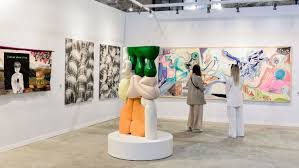
Something is undeniably shifting in the art world, and you can feel it the moment you start reading the headlines. Art news no longer drifts quietly through museum press releases or auction reports reserved for insiders; it pulses with urgency, controversy, and relevance. From protests unfolding inside galleries to digital artworks selling for staggering sums, art has stepped firmly into the center of cultural conversation. Artists are no longer content to simply reflect the world from a distance—they are challenging it, questioning it, and sometimes provoking it outright. Museums, once seen as neutral spaces of preservation, now find themselves under intense scrutiny as audiences demand accountability, inclusivity, and transparency. Recent art news captures this tension vividly, revealing institutions wrestling with their pasts while trying to remain relevant in the present. Exhibitions increasingly foreground stories shaped by colonialism, migration, climate crisis, and identity, offering viewers not an escape from reality but a deeper engagement with it. Artists are mining personal and collective histories, using archives, memory, and lived experience as raw material. At the same time, there is a renewed appreciation for slowness and craft, as handmade processes and traditional techniques push back against a culture of instant consumption. Art news reflects a world where creativity is no longer treated as decoration or luxury, but as a vital form of inquiry—one that asks difficult questions about power, belonging, and responsibility. This heightened sense of relevance has transformed how art is discussed and consumed, making the news surrounding it feel less like niche reporting and more like a pulse check on society itself.
Alongside these cultural reckonings, the art market continues to generate headlines that reveal both resilience and contradiction. On one hand, record-breaking sales and high-profile auctions still dominate news cycles, reinforcing the perception of art as a symbol of wealth and status. On the other, a quieter shift is taking place beneath the surface, as collectors, galleries, and artists reconsider what sustainability actually means. Art news increasingly points to a market moving away from relentless speculation toward more thoughtful engagement, where long-term artistic practice is valued over short-lived hype. There is growing interest in mid-career artists and historically overlooked figures, particularly women artists and artists from regions long excluded from Western market dominance. Digital platforms have permanently altered the mechanics of buying and selling, making art more accessible while also intensifying competition and visibility pressures. Online viewing rooms, social media discovery, and private digital sales have blurred the boundaries between public and private, local and global. At the same time, debates around artificial intelligence and generative tools have ignited some of the most contentious discussions in recent art news. Questions about authorship, originality, and creative labor now sit at the center of market conversations, as artists grapple with technologies that can both empower and undermine them. Some embrace these tools as collaborators or conceptual subjects, while others see them as threats to the integrity of artistic expression. Collectors and institutions are similarly divided, unsure how to value or preserve works that exist partly or entirely in digital form. Through these debates, art news exposes the market not as a detached economic machine, but as a reflection of broader anxieties about technology, value, and the future of human creativity.
Beyond museums and markets, art news is increasingly focused on how art lives in public space and everyday experience, expanding the definition of where art belongs and who it serves. Public art projects, community-based practices, and socially engaged works now occupy a central place in cultural reporting, especially as cities and communities turn to art in moments of crisis and transformation. Murals responding to local histories, performances staged in streets and civic spaces, and collaborative projects developed with communities highlight art’s capacity to foster dialogue and collective reflection. Rather than offering simple solutions, these works create spaces where complex emotions—grief, anger, hope, and resilience—can coexist. Art news has also paid growing attention to education and access, documenting efforts to dismantle barriers that have long kept certain audiences at a distance. Artist-run spaces, grassroots initiatives, and alternative education models are gaining visibility for their role in nurturing creative ecosystems beyond traditional institutions. At the same time, art journalism itself is evolving, shaped by independent voices, digital platforms, and a demand for more diverse perspectives. Writers and critics are challenging established narratives, broadening the scope of what counts as art news and whose stories are told. This expanded landscape reflects an art world that is fragmented yet deeply interconnected, marked by tension but also by possibility. Art news today does not offer a single, polished narrative; instead, it documents an ongoing conversation about creativity, power, and meaning. In following it, readers are not just keeping up with exhibitions or sales—they are witnessing how art continues to shape, question, and reimagine the world we live in.
Leave a Reply