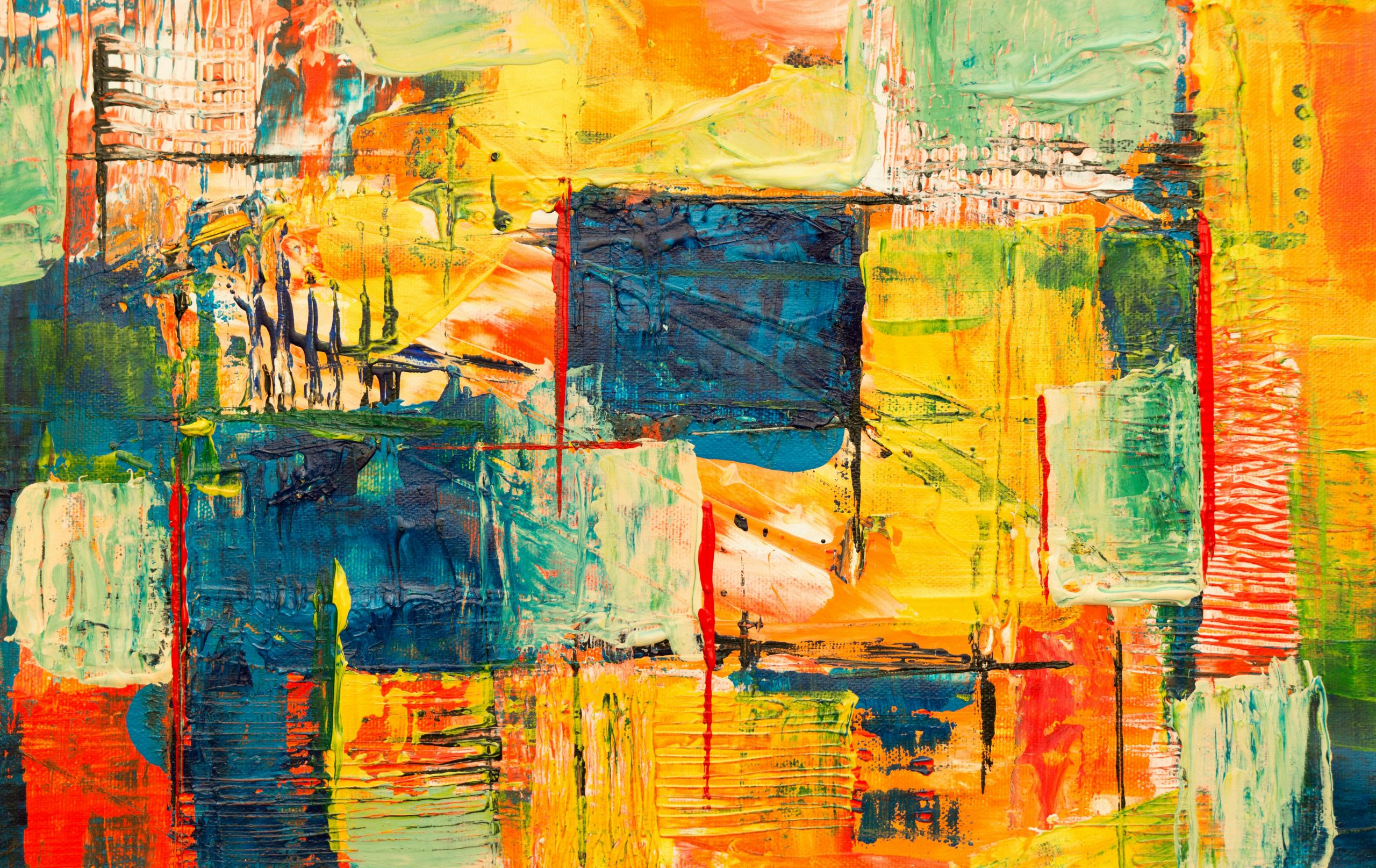
Art news in the present era is no longer confined to exhibition openings or record-breaking sales; it has expanded into a broad reflection of how creativity intersects with global change, social tension, and collective identity. Around the world, museums and cultural institutions are navigating a period of redefinition, often finding themselves at the center of public debate. Leadership transitions, funding challenges, and ethical questions around sponsorship and governance have become recurring headlines, revealing how deeply art institutions are embedded in political and economic systems. Many museums are rethinking their missions, shifting from temples of preservation toward spaces of dialogue and accountability. This is evident in the way permanent collections are being rehung to tell more inclusive and historically complex stories, as well as in the increasing prominence of contemporary artists whose work confronts colonial legacies, racial injustice, and gender inequality. Art news frequently highlights exhibitions that are less about aesthetic pleasure alone and more about reckoning, remembrance, and resistance. At the same time, there is a renewed interest in craft, material knowledge, and traditional practices, often framed as acts of cultural survival in a world driven by speed and disposability. Artists are drawing on archives, oral histories, and ancestral techniques to challenge linear narratives of progress, reminding audiences that innovation can also mean recovery and care. This layered approach to creativity underscores how art news today documents not just what is new, but what is being reexamined, restored, and reimagined in response to the pressures of contemporary life.
The art market, an ever-present force in art news, continues to evolve in ways that reflect both uncertainty and resilience. Headlines oscillate between reports of cooling sales and surprising moments of strength, revealing a market that is recalibrating rather than collapsing. High-profile auctions still generate attention, but the focus has subtly shifted from spectacle to strategy, as collectors and galleries alike become more deliberate in their decisions. There is growing skepticism toward hype-driven trends, with increased attention paid to an artist’s long-term practice, institutional recognition, and historical significance. This has opened space for renewed appreciation of overlooked figures, particularly women artists and artists from regions historically marginalized by Western-centric market structures. At the same time, digital platforms have permanently altered how art is circulated, discussed, and valued. Online exhibitions, private digital sales, and social media-driven visibility have blurred the boundaries between public and private, local and global. Art news regularly covers the implications of these changes, including concerns about market transparency, data ownership, and the sustainability of constant online engagement. Debates around artificial intelligence, generative imagery, and algorithmic influence have further complicated discussions of authorship and originality, forcing both artists and collectors to reconsider what constitutes creative labor. While some view these technologies as tools for expansion and experimentation, others see them as threats to human expression and economic stability within the creative sector. These tensions reveal that the market is not merely a financial arena but a site where cultural values are negotiated, contested, and made visible through headlines and transactions alike.
Beyond institutions and commerce, art news increasingly centers on the role of art in public life, emphasizing its capacity to foster connection, reflection, and collective meaning. Public art projects, community-based initiatives, and socially engaged practices are receiving sustained attention for their ability to reach audiences outside traditional cultural spaces. Murals responding to local histories, performances staged in civic spaces, and collaborative projects developed with communities are reframing who art is for and where it belongs. In many cases, these works emerge in response to crisis, whether environmental, political, or social, positioning art as a means of processing shared experiences rather than escaping them. Art education and access have also become prominent topics, with artists, educators, and organizations experimenting with alternative models that prioritize inclusivity, mental well-being, and long-term engagement over institutional prestige. Art journalism itself is part of this evolving ecosystem, as writers and critics adapt to changing platforms while striving to maintain depth, context, and critical integrity. Independent publications, podcasts, and newsletters are broadening the conversation, challenging established narratives and amplifying voices that were once sidelined. Through this expanded lens, art news documents an art world that is fragmented yet interconnected, fragile yet persistent. It captures a field that is not retreating in the face of uncertainty but actively responding to it, using creativity as a way to question power, imagine alternatives, and affirm shared humanity. In following art news today, readers encounter not a single story but an ongoing chorus of perspectives, each contributing to a deeper understanding of how art continues to matter in a complex and changing world.
Leave a Reply