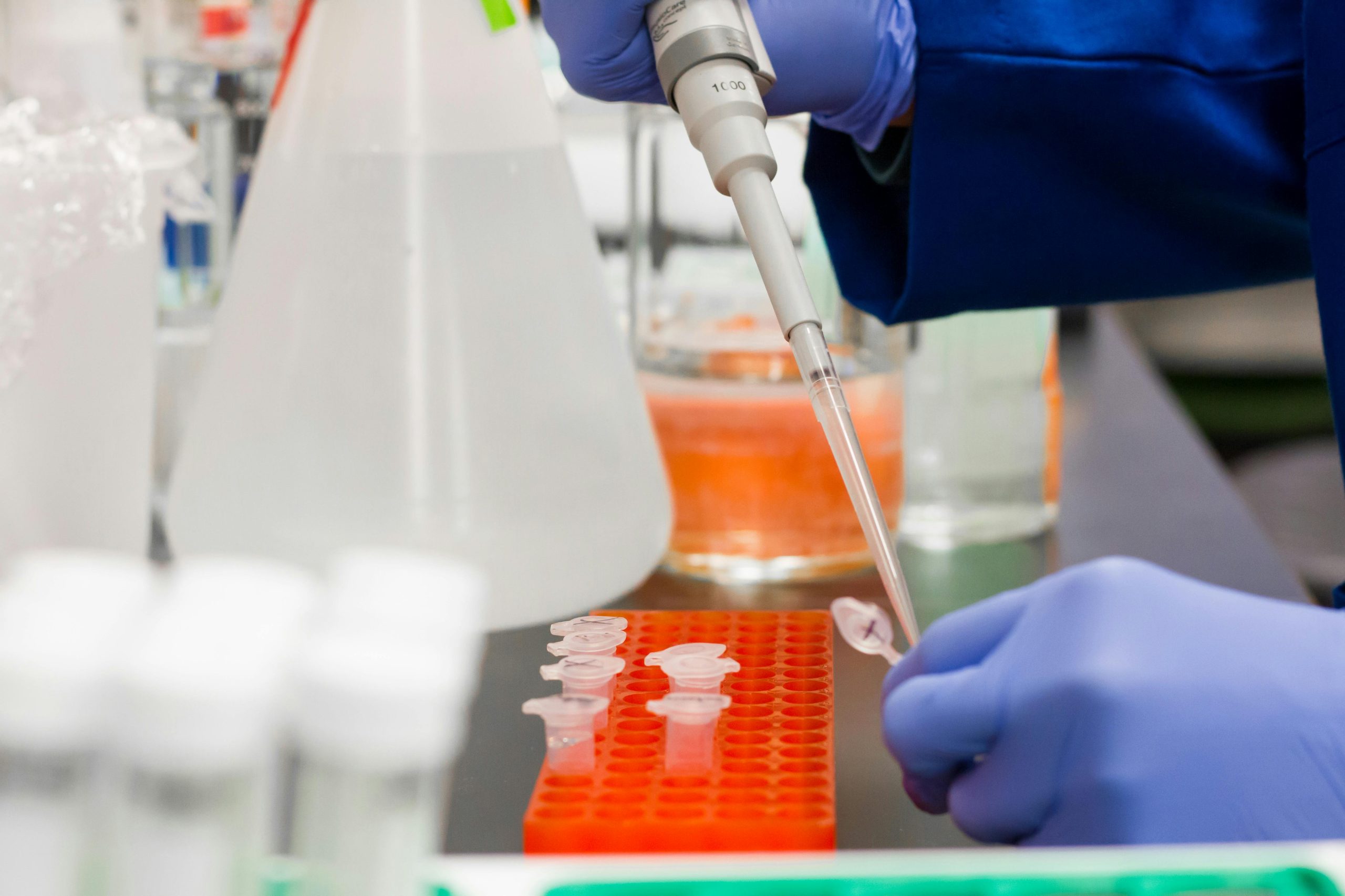
Science has always been a driving force behind humanity’s progress, pushing the boundaries of what we know and can achieve. In recent years, remarkable breakthroughs across various fields—from medicine and physics to environmental science and technology—have not only expanded our understanding of the universe but also paved the way for innovations that could transform daily life. This blog delves into some of the most exciting scientific advancements today, highlighting their potential impact and the promise they hold for the future.
One of the most significant areas of progress lies in medical science. The rapid development of mRNA vaccine technology, which came to global attention during the COVID-19 pandemic, represents a monumental leap in how we prevent infectious diseases. Unlike traditional vaccines, mRNA vaccines use a snippet of genetic code to instruct cells to produce a harmless piece of the virus, training the immune system without exposing the body to the actual pathogen. This platform has opened doors for vaccines against other diseases, including influenza, Zika, and even cancer, offering hope for more targeted and efficient treatments.
Gene editing technologies, particularly CRISPR-Cas9, are revolutionizing genetics and medicine. CRISPR allows precise, relatively simple modification of DNA, enabling scientists to correct genetic defects, engineer crops for better resilience, and explore new therapies. Recent breakthroughs include successful trials targeting inherited blood disorders and ongoing research into editing immune cells to combat cancer more effectively. Ethical considerations remain paramount, as the power to alter genomes raises questions about safety, equity, and the limits of human intervention.
In the realm of physics and space exploration, advances continue to challenge our understanding of the cosmos. The first-ever image of a black hole’s event horizon, captured by the Event Horizon Telescope, confirmed predictions from Einstein’s theory of general relativity and marked a historic achievement in observational astronomy. Meanwhile, missions like NASA’s Perseverance rover on Mars and the James Webb Space Telescope are delivering unprecedented data about our solar system and the origins of the universe. These insights could one day inform our search for extraterrestrial life and deepen our grasp of fundamental physical laws.
Environmental science breakthroughs are critical as the planet grapples with climate change and biodiversity loss. Innovations in carbon capture technology aim to reduce atmospheric greenhouse gases, while advances in renewable energy—such as more efficient solar cells and long-lasting battery storage—are accelerating the shift away from fossil fuels. Scientists are also developing bioengineering techniques to restore ecosystems and protect endangered species. Integrating data from satellite monitoring, AI, and climate modeling enhances our ability to predict and mitigate environmental risks, informing global policy and conservation efforts.
Artificial intelligence itself is a breakthrough tool reshaping multiple scientific disciplines. AI algorithms can analyze vast datasets, identify patterns invisible to humans, and accelerate research in drug discovery, materials science, and genomics. For example, AI-driven models have predicted protein structures with remarkable accuracy, solving problems that have stymied researchers for decades. These advancements are fostering interdisciplinary collaboration and enabling discoveries at a pace never before possible.
However, these breakthroughs also bring challenges. The rapid pace of innovation often outstrips regulatory frameworks and societal readiness. Issues around privacy, bioethics, and equitable access to new technologies must be addressed to ensure benefits are shared broadly and risks minimized. Public engagement and transparent dialogue between scientists, policymakers, and communities are vital to navigating these complexities responsibly.
In conclusion, recent scientific breakthroughs signal an exciting new era of discovery and innovation with profound implications for health, knowledge, and sustainability. By harnessing these advances thoughtfully and ethically, humanity stands poised to solve some of its most pressing challenges and unlock new possibilities. As science continues to push boundaries, staying informed and engaged allows us all to participate in shaping a future that reflects shared values and aspirations.
Leave a Reply