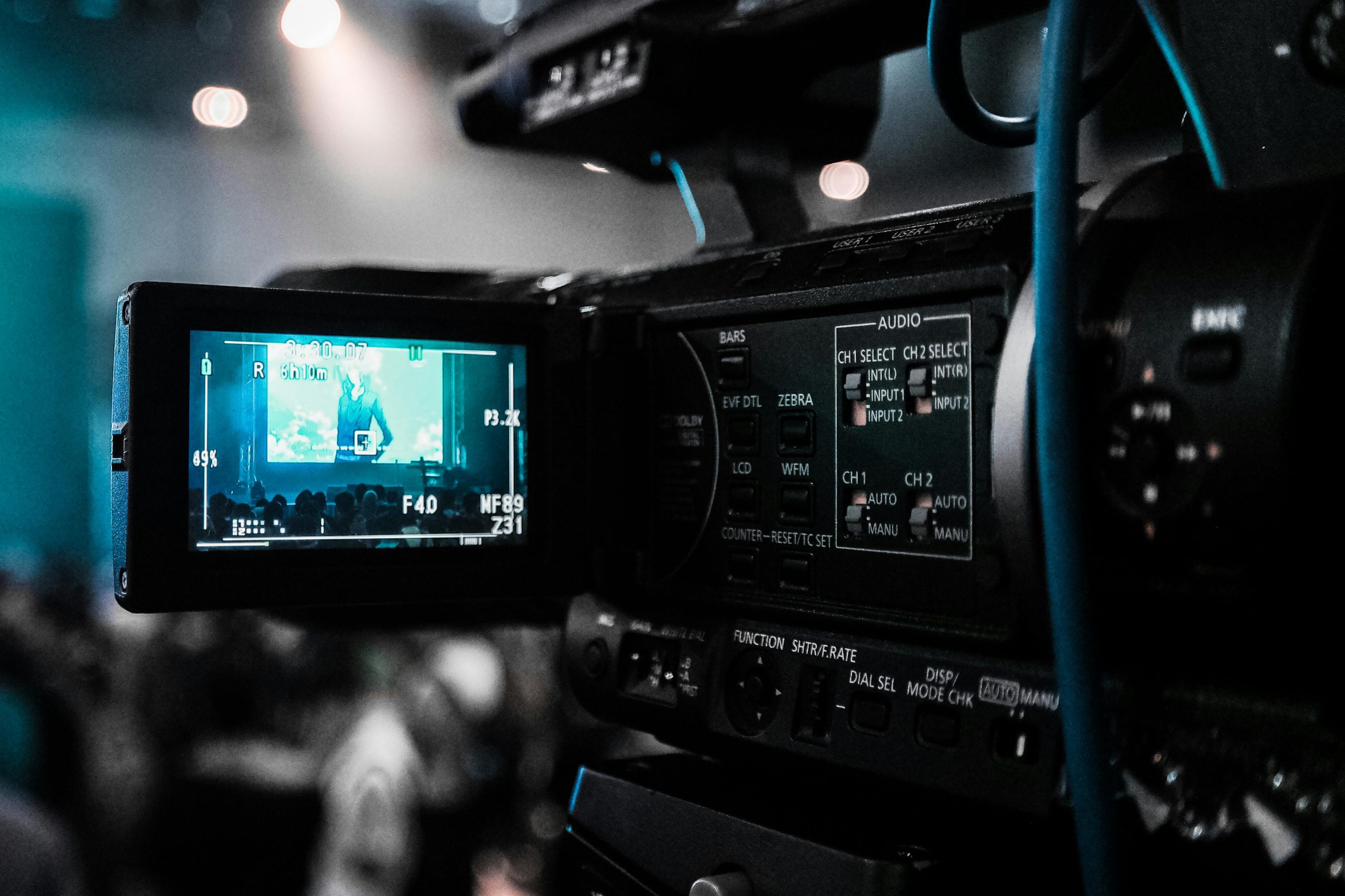
Film, as an art form and entertainment medium, holds a unique place in modern culture. Since its inception in the late 19th century, cinema has continuously evolved, reflecting societal changes, technological advancements, and artistic innovation. Films have the power to transport audiences to different worlds, provoke thought, evoke emotions, and spark conversations that transcend borders. This blog explores the dynamic nature of film, its cultural significance, the challenges it faces today, and the exciting directions it’s headed.
Cinema’s ability to tell stories visually is its greatest strength. Unlike any other medium, film combines images, sound, music, and performance into a cohesive experience that immerses viewers. Directors and filmmakers use a wide array of techniques—from lighting and camera angles to editing and sound design—to craft narratives that resonate deeply. Over time, different genres and styles have emerged, from the classic Hollywood musicals and noir thrillers to independent dramas and experimental films, catering to diverse tastes and pushing creative boundaries.
The cultural impact of film is profound. Movies often serve as a mirror to society, reflecting prevailing attitudes, fears, and aspirations. They can challenge stereotypes, spotlight social issues, and celebrate diverse identities. Iconic films like Gone with the Wind, Schindler’s List, Black Panther, and Parasite have influenced public discourse, inspired movements, and expanded representation on screen. The international nature of cinema also fosters cross-cultural understanding, as stories from different countries and perspectives reach global audiences through festivals, streaming platforms, and theatrical releases.
Technological innovation continues to reshape filmmaking. The transition from black-and-white to color, the advent of sound, and the rise of digital cinematography have all expanded the language of film. Today, cutting-edge CGI and visual effects enable the creation of breathtaking worlds, from the epic battles of The Lord of the Rings to the futuristic landscapes of Blade Runner 2049. Virtual reality and augmented reality are emerging as new frontiers, offering immersive storytelling experiences that challenge traditional viewing.
However, the film industry faces significant challenges. The COVID-19 pandemic disrupted production and theatrical releases, accelerating shifts toward streaming platforms. While streaming has democratized access and provided new opportunities for independent creators, it also raises questions about the future of cinemas and the communal experience of movie-watching. Issues around diversity, equity, and inclusion remain central, with ongoing efforts to address underrepresentation of women, people of color, and marginalized groups both in front of and behind the camera.
The economics of filmmaking are complex and high-stakes. Blockbusters with massive budgets often dominate box offices, but independent films and documentaries continue to thrive through festivals and niche markets. Crowdfunding, co-productions, and digital distribution models offer alternative pathways for filmmakers. Audience tastes also evolve, with growing interest in authentic storytelling, genre blending, and narratives that challenge conventions.
Education and critical discourse around film have expanded, with film studies programs, critique platforms, and online communities enriching appreciation and analysis. Audiences today engage with films not only as passive viewers but as active participants in discussions about meaning, technique, and cultural impact.
Looking ahead, the future of film promises continued innovation and diversity. Emerging filmmakers from around the world bring fresh voices and perspectives, harnessing technology to tell stories that matter. As artificial intelligence and machine learning enter creative workflows, new questions about authorship and creativity arise. Meanwhile, global collaboration and distribution networks will further blur cultural boundaries, enriching cinema’s tapestry.
In conclusion, film remains a vital and ever-evolving art form that shapes culture and connects people. Its power lies in its ability to combine creativity, technology, and human experience into stories that entertain, educate, and inspire. As the industry navigates change and embraces new possibilities, cinema’s enduring magic continues to captivate audiences and affirm its place at the heart of global culture.
Leave a Reply