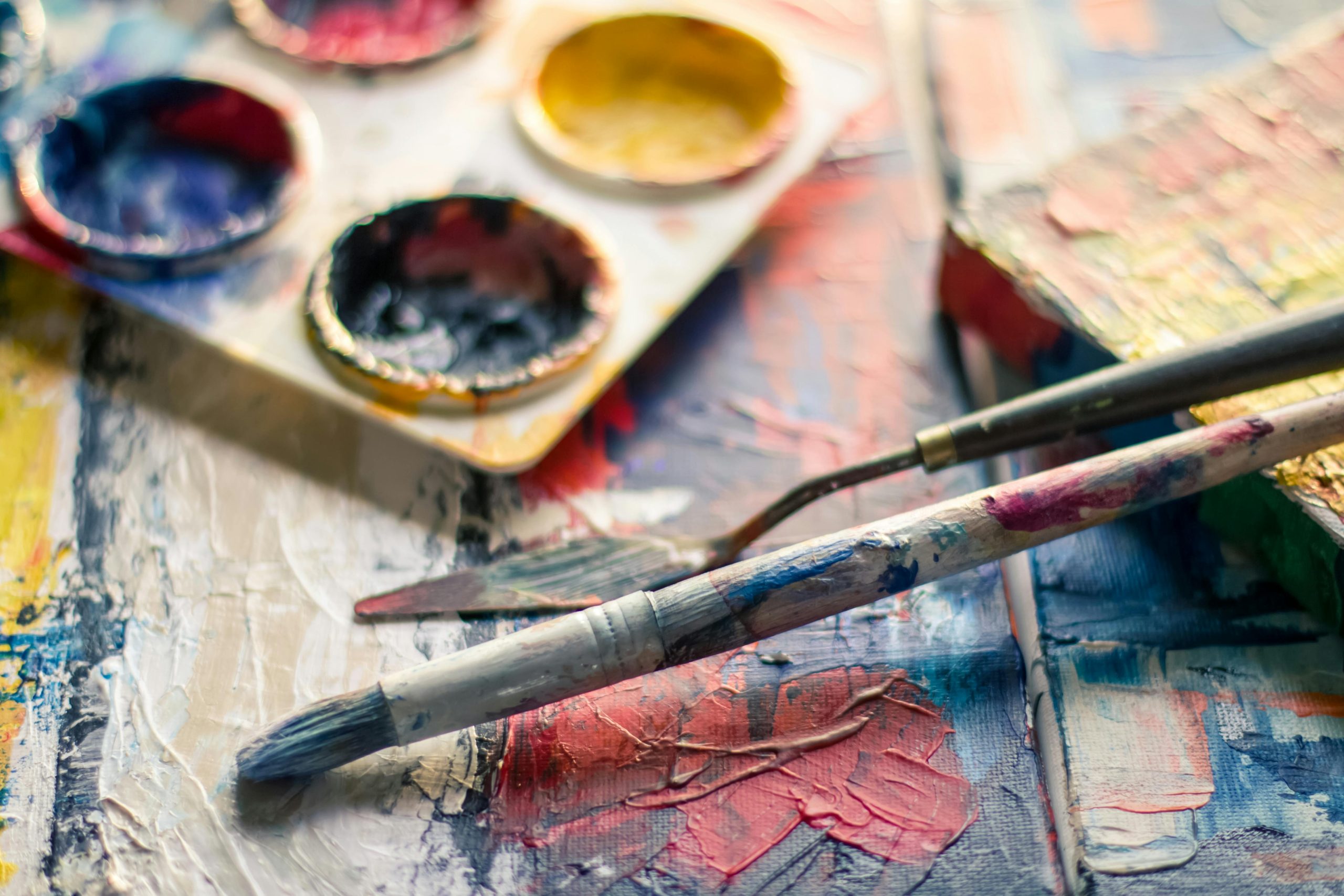
Art is much more than decoration or entertainment; it is a vital expression of human experience that shapes both individual identities and collective cultures. Throughout history, art has served as a powerful lens through which societies interpret their values, struggles, and aspirations. From ancient sculptures to modern digital masterpieces, art’s capacity to evoke emotion, provoke thought, and foster connection remains unmatched. This blog explores the profound impact of art on society and individuals, highlighting its evolving forms, cultural significance, and role in shaping the human story.
At the heart of art’s enduring influence is its ability to communicate across languages and cultures. Whether it’s a vivid mural in a bustling city or an intricate weaving from a remote community, art transcends verbal communication, offering visual and sensory narratives that can be universally understood. This universal language fosters empathy by inviting viewers to step into others’ experiences, bridging divides and promoting social cohesion in increasingly diverse societies.
Art also functions as a repository of history and memory. Museums, galleries, and public art installations preserve cultural heritage, documenting the lives and perspectives of people from different eras and backgrounds. In many cases, art has preserved stories that formal historical records have overlooked or marginalized, providing crucial insights into the experiences of indigenous peoples, minorities, and women. These narratives enrich our understanding of the past and challenge dominant historical perspectives.
In contemporary society, art plays an increasingly dynamic role in addressing pressing social issues. Artists are often at the forefront of activism, using their work to challenge injustices, question societal norms, and inspire change. Movements such as street art and performance art have become platforms for marginalized voices, transforming public spaces into sites of resistance and dialogue. By engaging audiences emotionally, art can humanize abstract issues like climate change, inequality, and human rights, motivating collective action.
The digital revolution has transformed the production, distribution, and consumption of art, making creativity more accessible but also raising new questions. Online platforms have democratized artistic expression, allowing emerging artists worldwide to reach audiences directly without relying on traditional institutions. Innovations like virtual reality and augmented reality are expanding the boundaries of artistic experience, creating immersive environments that challenge conventional notions of space and narrative. However, this digital shift also prompts debates about authenticity, intellectual property, and the environmental impact of technology.
Art’s influence extends deeply into individual well-being. Studies show that engaging with art can enhance mental health by reducing stress, boosting mood, and improving cognitive function. Art therapy has gained recognition as an effective approach to support trauma recovery and emotional healing. Furthermore, participating in creative activities fosters self-expression, confidence, and a sense of purpose, contributing to overall life satisfaction.
Culturally, art encourages dialogue and mutual understanding in a world often marked by polarization. International art festivals, cross-cultural collaborations, and artist residencies facilitate the exchange of ideas and traditions, celebrating diversity while highlighting shared human experiences. These interactions nurture global citizenship and solidarity, helping to counter xenophobia and cultural isolation.
Despite its profound societal contributions, the art world faces challenges related to equity and sustainability. Many talented artists, particularly from underrepresented groups, struggle for visibility and financial stability. Museums and cultural institutions are increasingly called upon to address historical exclusions and foster inclusivity through diverse programming and leadership. Additionally, the precarious nature of artistic careers calls for policies that provide social protections and support for creators.
Economically, the arts sector is a significant driver of innovation, tourism, and employment. Cities that invest in cultural infrastructure often experience revitalization, attracting creative industries and enhancing residents’ quality of life. Creative economies contribute to broader economic resilience by fostering innovation across multiple sectors, from design to technology.
Education is another vital arena where art’s impact is profound. Integrating the arts into curricula enhances critical thinking, problem-solving, and communication skills. Arts education nurtures creativity and imagination—qualities essential for navigating the complex challenges of the 21st century. By fostering curiosity and experimentation, the arts prepare students to innovate and adapt in a rapidly changing world.
In summary, art remains a fundamental force shaping both society and individual identity. It preserves history, challenges injustice, nurtures well-being, and fosters connection across cultural divides. As the world continues to evolve technologically and socially, art’s role as a catalyst for empathy, innovation, and transformation is more crucial than ever. Supporting and engaging with the arts enriches our lives, empowering us to envision and create a more inclusive and vibrant future.
Leave a Reply