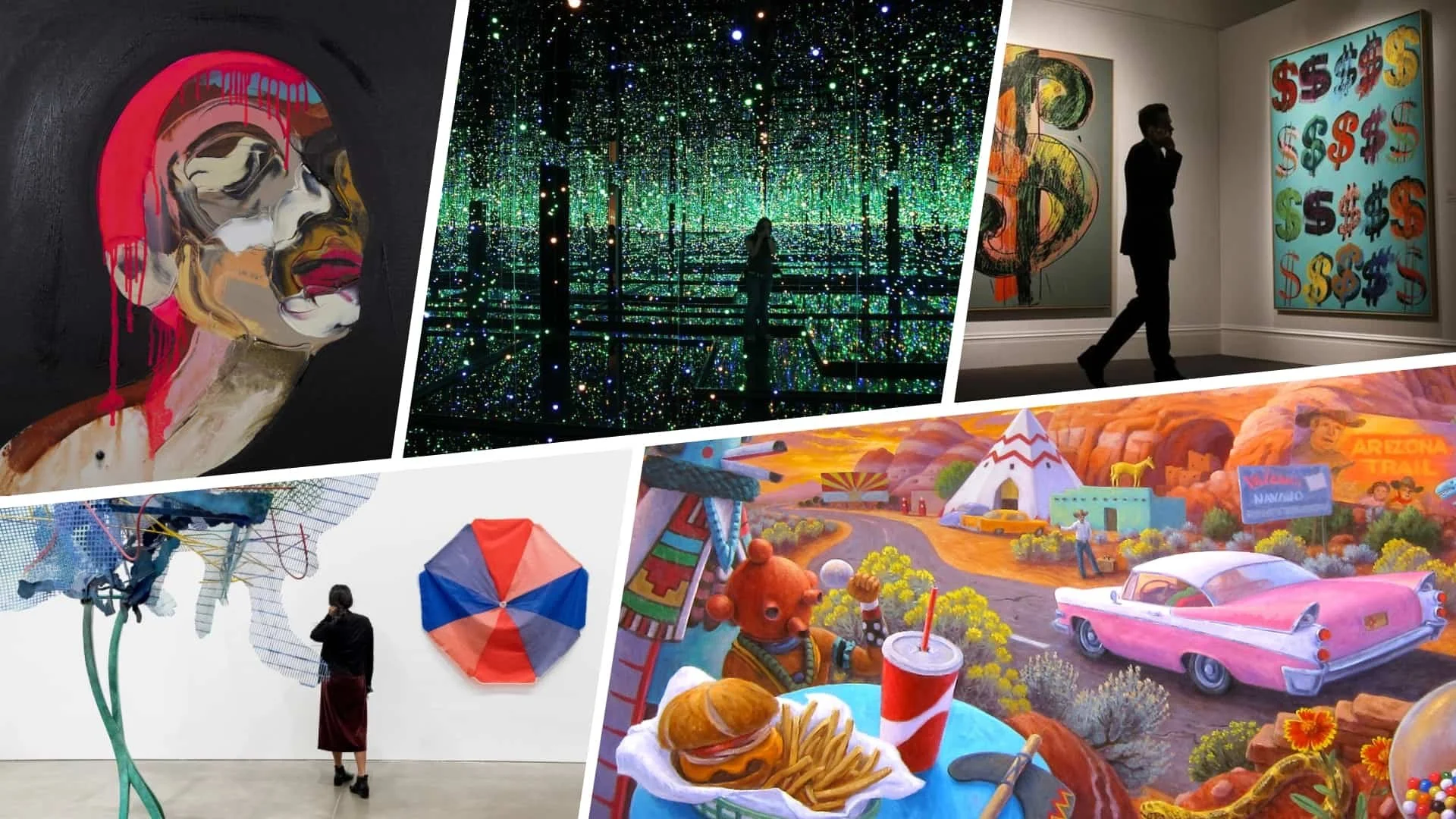
The landscape of art news today reflects a world in motion, shaped by social change, technological acceleration, and evolving ideas about what art is and who it is for. Across museums, galleries, biennials, and digital platforms, the art world is grappling with questions of relevance, access, and responsibility, while artists continue to respond to global realities with urgency and imagination. Recent exhibitions and critical conversations reveal a strong turn toward storytelling rooted in identity, memory, and place. Artists from historically marginalized communities are increasingly centered not as trends but as essential voices reshaping the canon, prompting institutions to revisit their collections, curatorial practices, and leadership structures. At the same time, major museums are navigating financial pressures, repatriation debates, and public scrutiny, leading to high-profile resignations, rehangs of permanent collections, and renewed emphasis on transparency. Art news has become less about isolated masterpieces and more about systems: who funds art, who interprets it, and who gets to see themselves reflected in it. This shift is also visible in the growing prominence of socially engaged art, where the line between artistic practice and activism is intentionally blurred. From climate-focused installations that use data and organic materials to community-based projects addressing housing, migration, and labor, artists are expanding the definition of artistic impact. Art criticism and journalism have followed suit, moving beyond formal analysis to consider ethics, power, and context, making art news a vital lens through which broader cultural conversations are examined.
Parallel to these cultural shifts, the art market continues to make headlines, often in ways that contrast sharply with the slower, more reflective rhythms of artistic practice. Auction houses report fluctuating sales, with blue-chip artists maintaining strong prices while speculative bubbles around emerging names show signs of cooling. Collectors are becoming more cautious, favoring depth over hype, provenance over novelty, and long-term cultural value over quick returns. Yet even amid market uncertainty, new players are reshaping how art is bought and sold. Online viewing rooms, private digital sales, and blockchain-based registries have become normalized, expanding global access while raising questions about exclusivity and trust. The once-dominant narrative of the art fair as the central marketplace is evolving, as rising costs and environmental concerns push galleries to rethink participation and explore alternative models. Meanwhile, debates around NFTs and AI-generated art continue to surface in art news, no longer framed as futuristic curiosities but as present realities with legal, philosophical, and aesthetic implications. Artists are both embracing and resisting these technologies, using them to critique authorship, originality, and labor in an age of automation. Institutions, in turn, are challenged to collect, preserve, and exhibit works that may exist partly or entirely in digital form. These developments underscore a broader tension at the heart of contemporary art news: the balance between innovation and preservation, speed and contemplation, market forces and artistic integrity.
Beyond institutions and markets, art news increasingly highlights the everyday ways art intersects with public life, shaping how communities experience beauty, history, and dialogue. Public art projects, once treated as peripheral, now command significant attention as cities invest in murals, sculptures, and performances that reflect local narratives and invite participation. In times of political polarization and social uncertainty, art has emerged as a space for shared reflection, offering not answers but moments of connection and questioning. Education initiatives, artist residencies, and grassroots spaces are gaining visibility for their role in nurturing creative ecosystems outside traditional power centers. Art journalism itself is evolving, with more voices entering the conversation through independent platforms, newsletters, podcasts, and social media, challenging established gatekeepers and diversifying perspectives. This democratization has not come without challenges, as writers and artists alike contend with sustainability, visibility, and the pressures of constant content production. Still, the expanding scope of art news suggests a field that is alive, contested, and deeply intertwined with the world it seeks to interpret. Rather than signaling a crisis, the current moment points to transformation, where art is not retreating into obscurity but actively renegotiating its place in society. In following art news today, readers are not merely tracking exhibitions or sales; they are witnessing an ongoing conversation about creativity, value, and meaning in a rapidly changing world.
Leave a Reply